lathe Capabilities
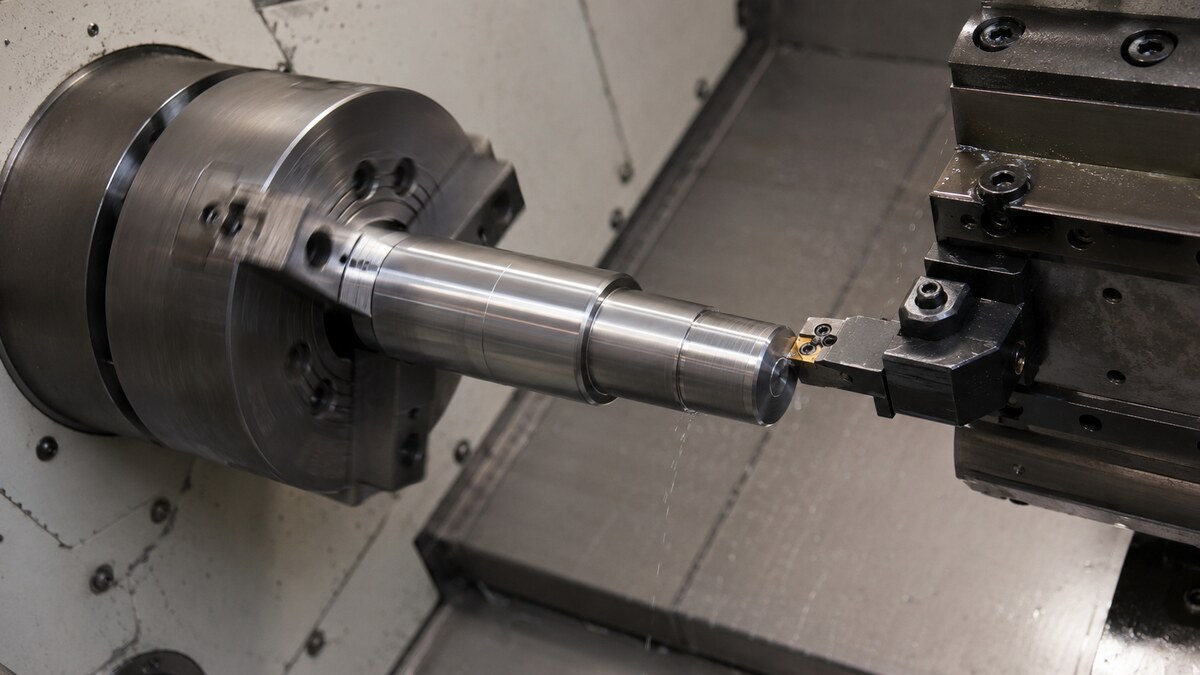
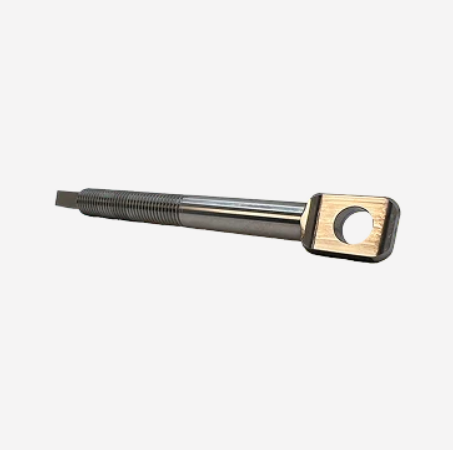
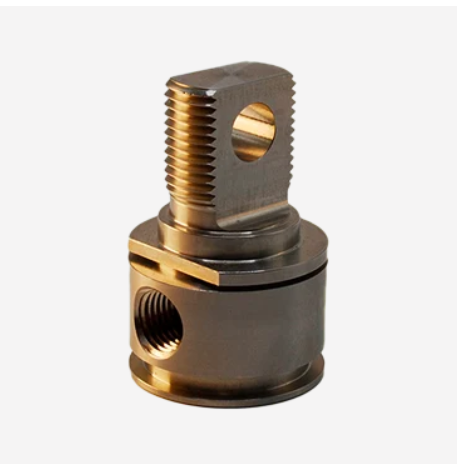
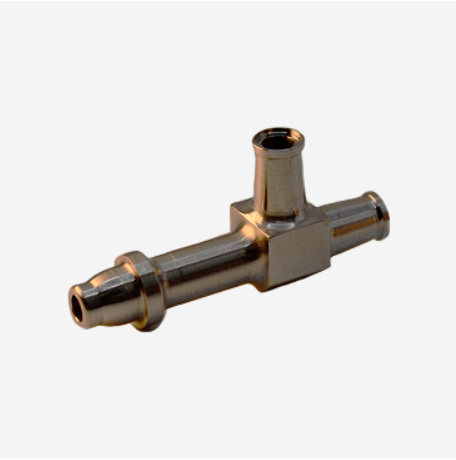
Steelcrest Precision provides CNC turning solutions for parts ranging from small, intricate components to large-diameter and long-shaft work. Our extensive lathe capabilities include conventional CNC turning, live tooling, Y-axis machining, dual-spindle production, multi-tasking, and Swiss machining. Backed by decades of experience and a diverse equipment fleet, our team identifies the right process for each part—helping customers improve accuracy, reduce setups, and move efficiently from prototype through production.
Equipment & Capacity
From straightforward cylindrical components to complex parts requiring turning, milling, drilling, and off-center features, Steelcrest has the CNC turning equipment and experience to match the right process and capacity to each application.

Conventional CNC Turning
-
28 CNC Lathes
-
Capacity up to 26" diameter x 160" long
-
For shafts, rollers, journals, sleeves, fittings, and other cylindrical components.
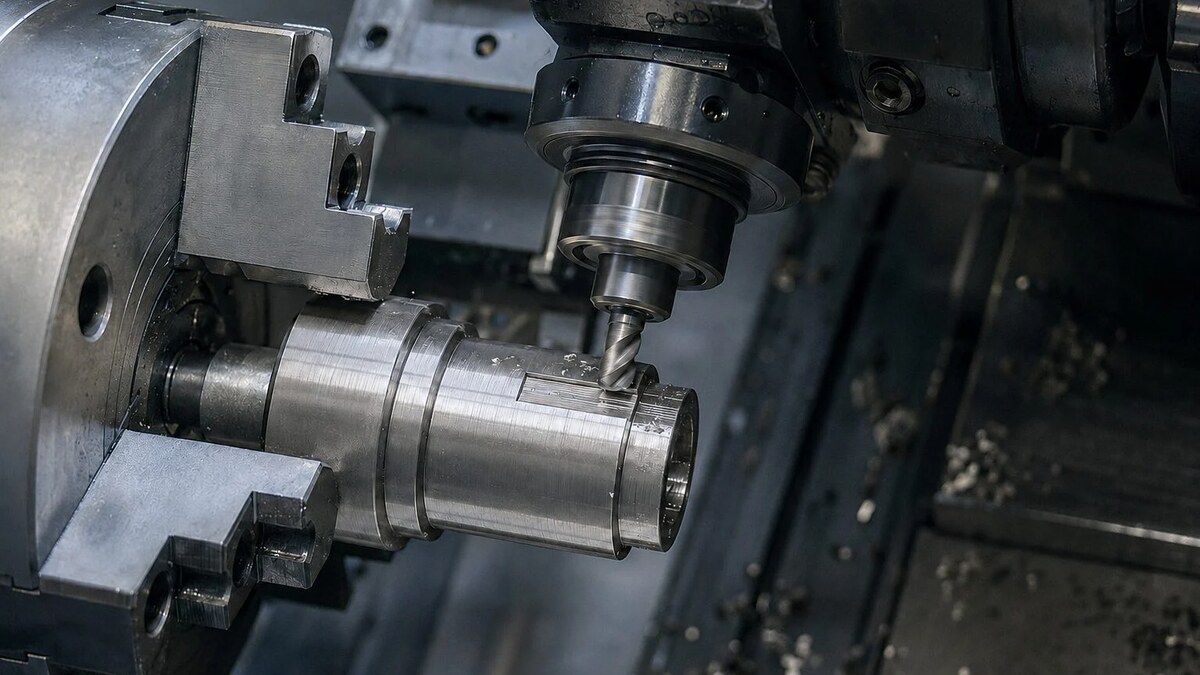
Live-Tool Turning
- 3 Live-Tool CNC Lathes
- Okuma with robotic loading and unloading
- Capacity up to 15" diameter x 26" long
- Combines turning with milling, drilling, flats, slots, and radial features in fewer setups.
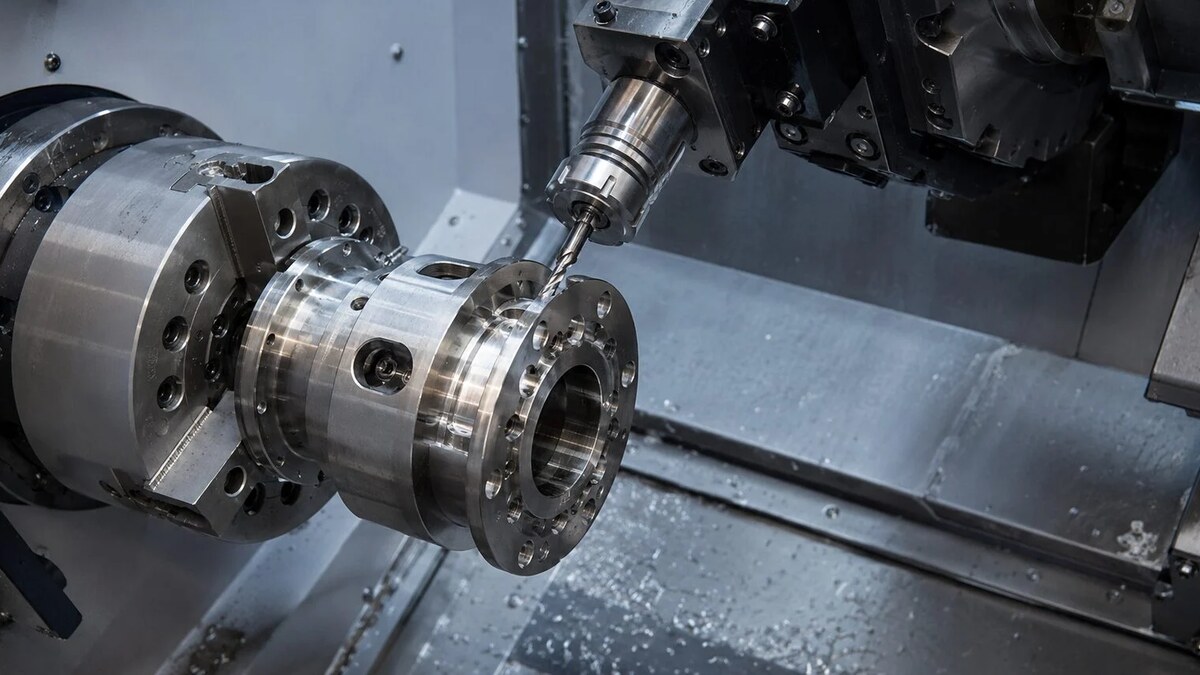
Y-Axis Turning
- 3 CNC Lathes with Milling and Y-Axis
- Capacity up to 16" diameter x 80" long with 6" Y-axis travel
- For off-center features and complex components requiring greater machining flexibility.
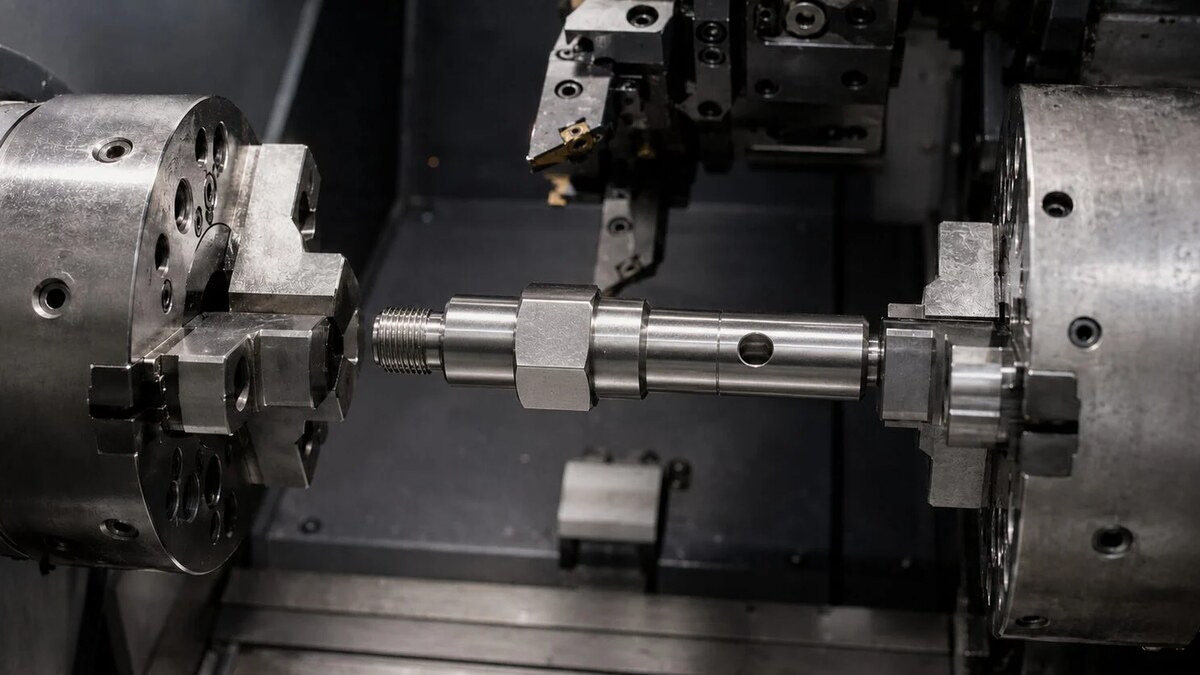
Dual-Spindle Turning
-
2 Dual-Spindle CNC Lathes
-
Capacity up to 10″ diameter × 8″ long
-
Supports front-and-back machining, reduced part handling, and efficient repeat production.
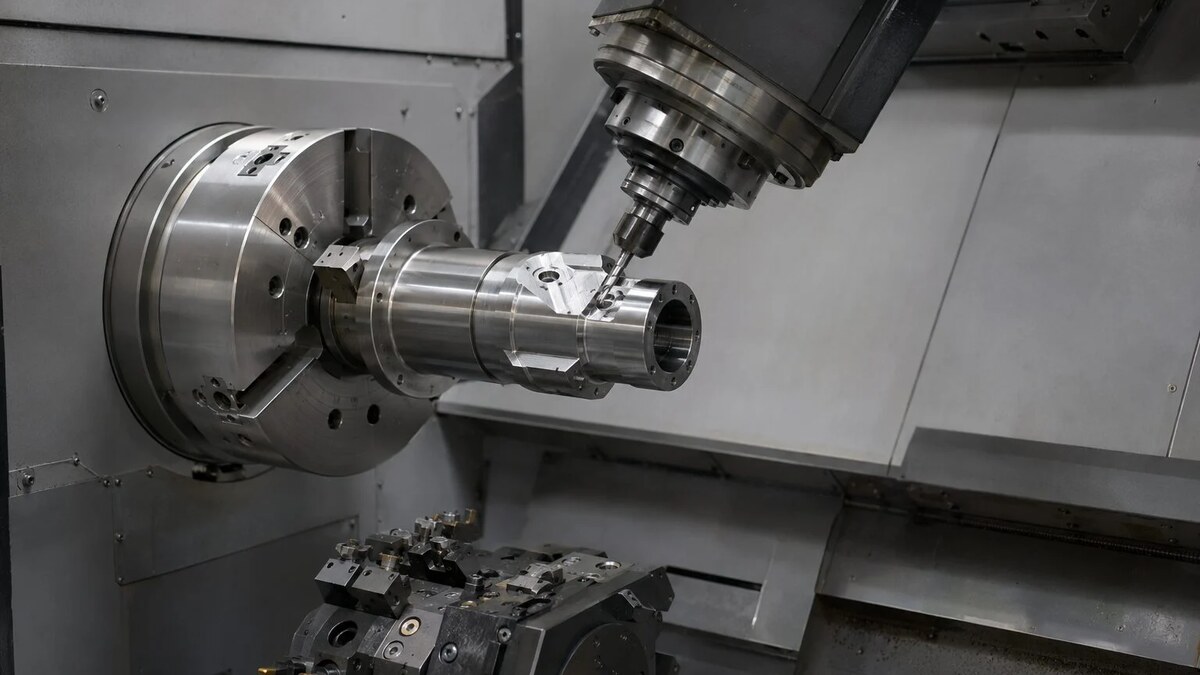
Multi-tasking
- INTEGREX and Hyper Quadrex platforms
- Combines CNC turning, milling, drilling, and off-center machining
- Reduces setups, part handling, and feature-to-feature variation
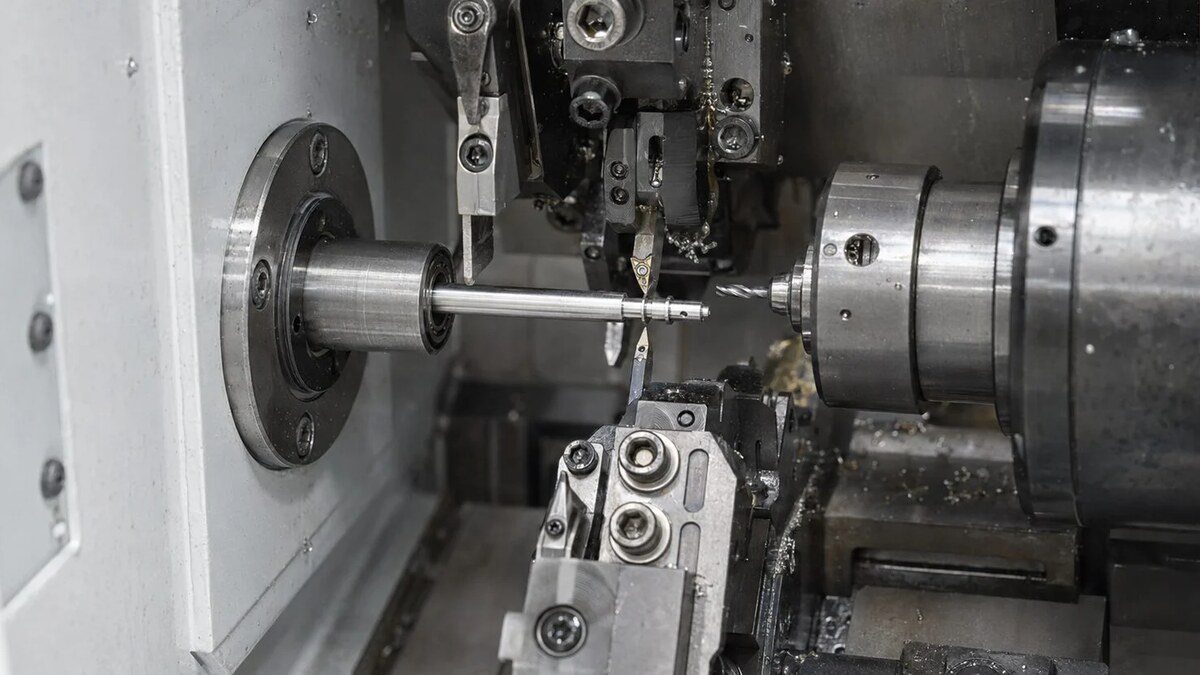
Swiss Machining
- 4 high-precision Swiss lathes
- Bar-fed capacity up to 1.5″ diameter
- Ideal for small-diameter, long, slender, and feature-dense parts requiring tight tolerances and repeatable production
Tolerances & Surface Finishes
Steelcrest combines advanced CNC turning equipment with experienced machinists and in-process inspection to produce accurate, repeatable components. Final tolerances and finishes depend on part geometry, material, size, and production requirements, but our general capabilities include:
Capability |
General Specification |
| Standard CNC turning | Holding tolerances to ±0.0005″ |
| Precision turning | Holding tolerances to ±0.0002″ |
| Live-tool milling | Milling tolerances to ±0.001″ |
| INTEGREX multi-tasking | Turning and milling tolerances to ±0.0005″ |
| Turned surface finish | Finishes up to 8Ra |
| Additional finishing | Polishing available |
| Optimal precision-turning range | Approximately 0.5″–6″ diameter |
| Bar-Fed Turning | Bar-feeder capacity up to 12 ft. |
Frequently Asked Questions
What CNC turning services does Steelcrest Precision offer?
Steelcrest Precision offers conventional CNC turning, live-tool turning, Y-axis machining, dual-spindle turning, multi-tasking, Swiss machining, and bar-fed production. These capabilities support parts ranging from small, intricate components to large-diameter parts and long shafts.
What is the largest part Steelcrest Precision can CNC turn?
Our conventional CNC lathes can accommodate parts up to 26 inches in diameter and 160 inches long. Final capacity depends on the part’s geometry, material, tolerances, workholding requirements, and machining process.
What CNC turning tolerances and surface finishes can Steelcrest achieve?
Steelcrest can generally hold standard CNC turning tolerances to ±0.0005 inch and precision-turning tolerances to ±0.0002 inch. Turned surface finishes as fine as 8 Ra are possible, with polishing also available when required.
What materials can Steelcrest Precision machine on its CNC lathes?
Steelcrest CNC machines a range of metals used in demanding industrial applications. Examples include 304 stainless steel, 17-4 stainless steel, 4140 pre-hardened steel, and INCONEL 625. Each material is evaluated based on the part’s geometry, tolerances, finish, and application requirements.
What is live-tool CNC turning, and when should it be used?
Live-tool CNC turning combines turning with milling, drilling, slotting, flats, and radial features in fewer setups. Steelcrest operates three live-tool CNC lathes with capacity up to 15 inches in diameter by 26 inches long, including an Okuma with robotic loading and unloading.
What are the advantages of Y-axis CNC turning?
Y-axis CNC turning allows off-center holes, slots, flats, and other complex features to be machined while the component remains in the lathe. Steelcrest has three CNC lathes with milling and Y-axis capabilities, including capacity up to 16 inches in diameter by 80 inches long with 6 inches of Y-axis travel.
What is dual-spindle CNC turning?
Dual-spindle CNC turning allows the front and back of a part to be machined with less manual handling between operations. Steelcrest’s dual-spindle lathes support components up to 10 inches in diameter by 8 inches long, helping improve efficiency and repeatability for ongoing production.
Does Steelcrest offer multi-tasking CNC machining?
Yes. Steelcrest uses INTEGREX and Hyper Quadrex multi-tasking platforms to combine CNC turning, milling, drilling, and off-center machining. Completing multiple operations in one machine can reduce setups, part handling, lead time, and feature-to-feature variation.
What types of parts are best suited for Swiss and bar-fed machining?
Swiss machining is ideal for small-diameter, long, slender, or feature-dense components requiring tight tolerances and consistent repeatability. Steelcrest operates four high-precision Swiss lathes with bar-fed capacity up to 1.5 inches in diameter and also offers bar-feeder capabilities for bar stock up to 12 feet long.
What information is needed to request a CNC turning quote?
To request a CNC turning quote, provide a part drawing or 3D model, material specification, required tolerances, estimated quantities, surface-finish requirements, and desired delivery date. Include any inspection, certification, secondary-processing, or documentation requirements so our team can accurately evaluate the complete project.
Talk to a Machining Expert.
Share your drawing, material, tolerances, and production requirements. We'll help identify the right process for your program.