
Skip to content

Consumer Products

Production components for appliances, power tools, and recreational products, plus the molds, dies, and fixtures behind them, machined with the automation that keeps repeat cost flat.

Consumer products live on unit cost and consistency. The product has to hit a price point that was set before the part was designed, and piece ten thousand has to match piece one closely enough that assembly never has to sort. 

Steelcrest Precision machines production components and the tooling behind them for consumer manufacturers from Wauseon, Ohio: automation that keeps repeat costs competitive, process discipline that keeps quality flat across a long run, and four decades of toolmaking sitting on the same floor as the production parts. 

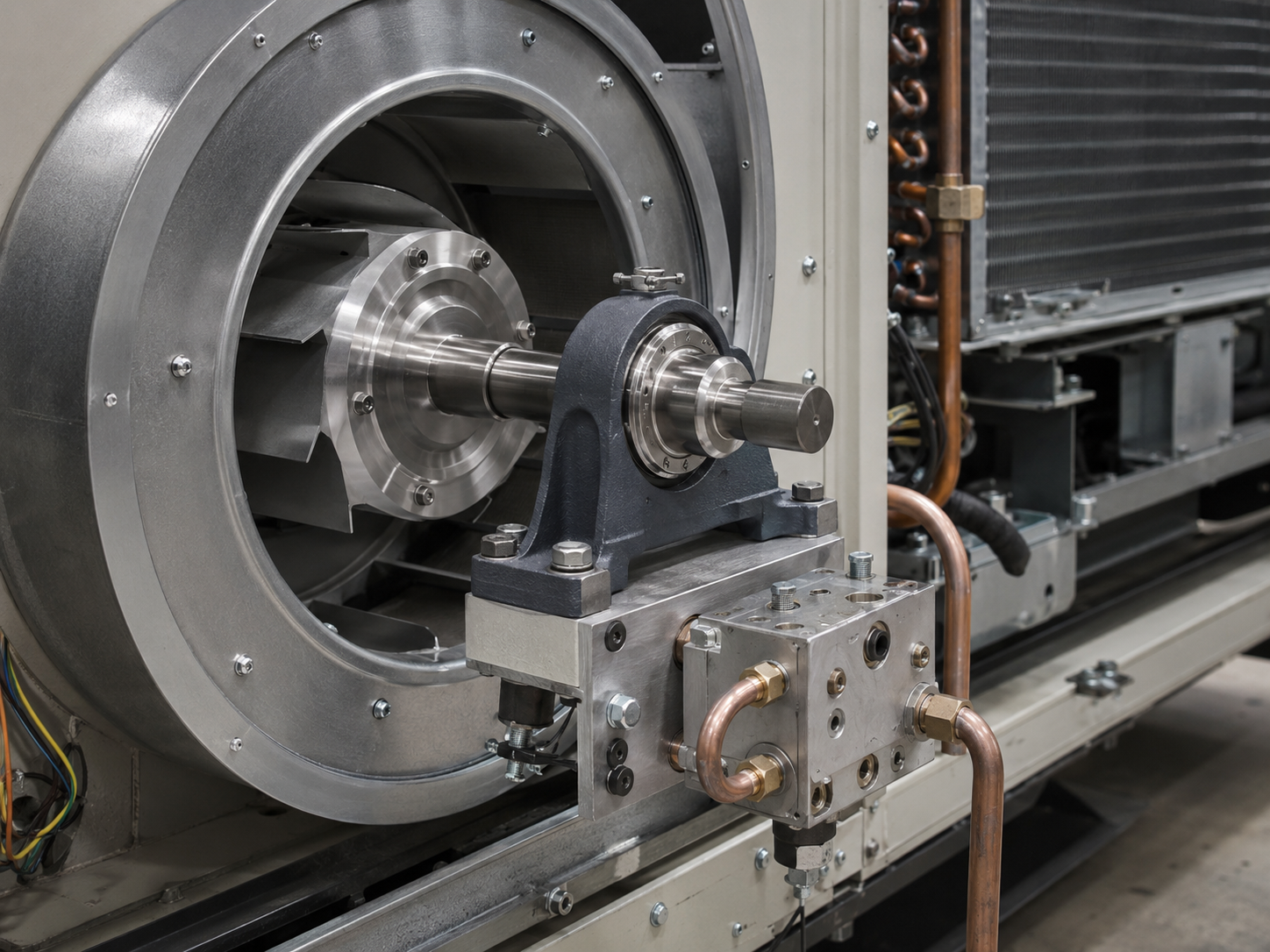
ChatGPT Image Aug 26, 2026, 09_51_18 AM

What Is Consumer Products CNC Machining?

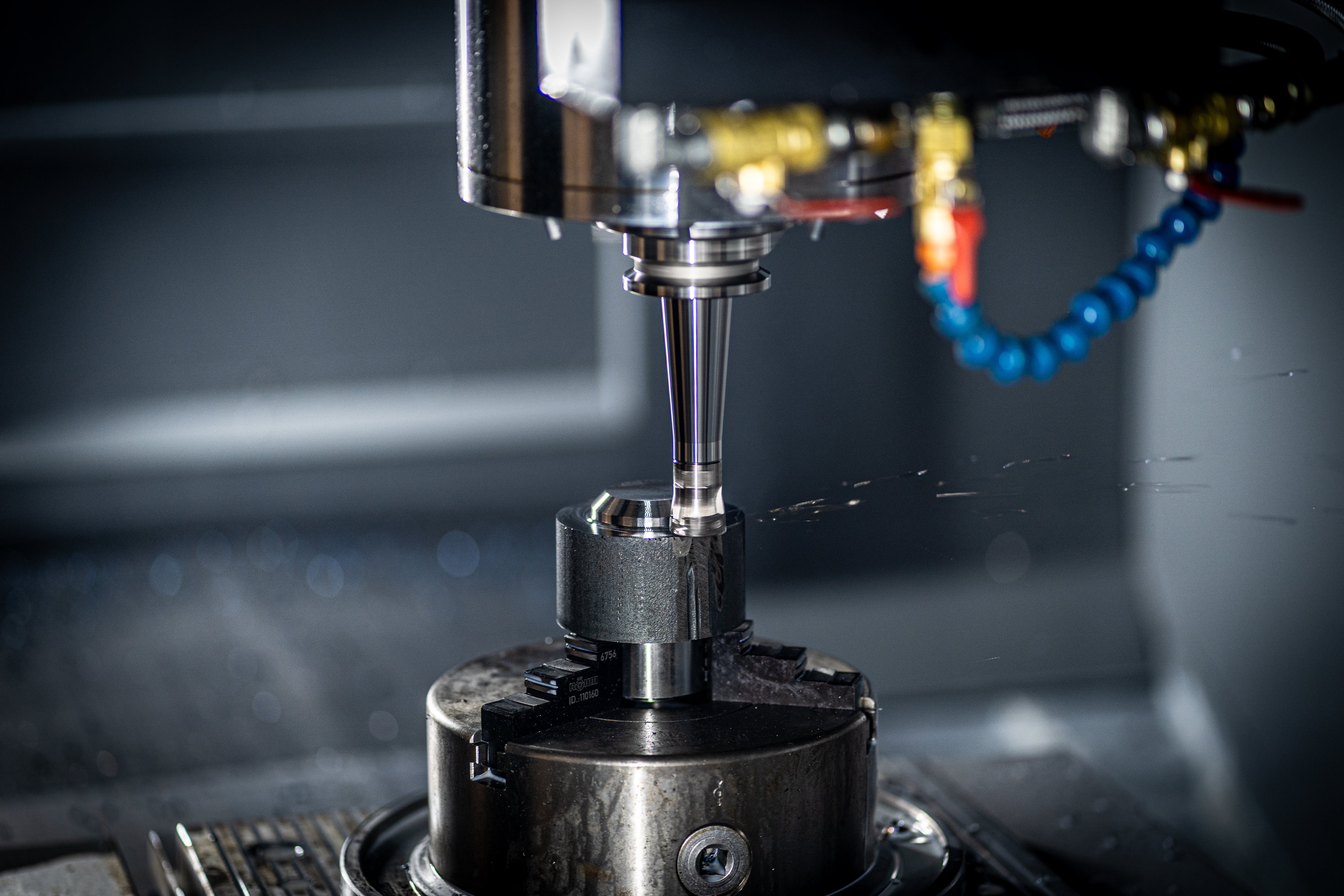
Consumer products CNC machining covers two kinds of work that usually get bought separately: the machined components that go into appliances, furniture, HVAC, firearms, and material handling, and the molds, dies, fixtures, and gauges that manufacture them. Its defining demands are cost per part at volume, repeatability, and tooling that holds up. 

Buying both from one shop matters more than it sounds like it should, because tooling downtime is production downtime, and a tooling supplier who already machines your production parts knows what the tool has to produce. 

Steelcrests' Consumer Products Expertise

Our machinists and toolmakers support the components and production tooling behind appliances, firearms, furniture, HVAC systems, and material-handling equipment. Whether the program calls for high-volume turning, multi-axis milling, precision grinding and wire EDM, or custom molds, dies, fixtures, and gauges, Steelcrest Precision delivers repeatable parts and dependable tooling built for daily production.

Our toolmaking heritage runs four decades deep, giving customers one source for both the parts that go into the product and the tooling used to manufacture and inspect them. From the first prototype through a 50,000-piece production run, our team works directly with your engineers to control cost per part, protect quality, and keep production moving.

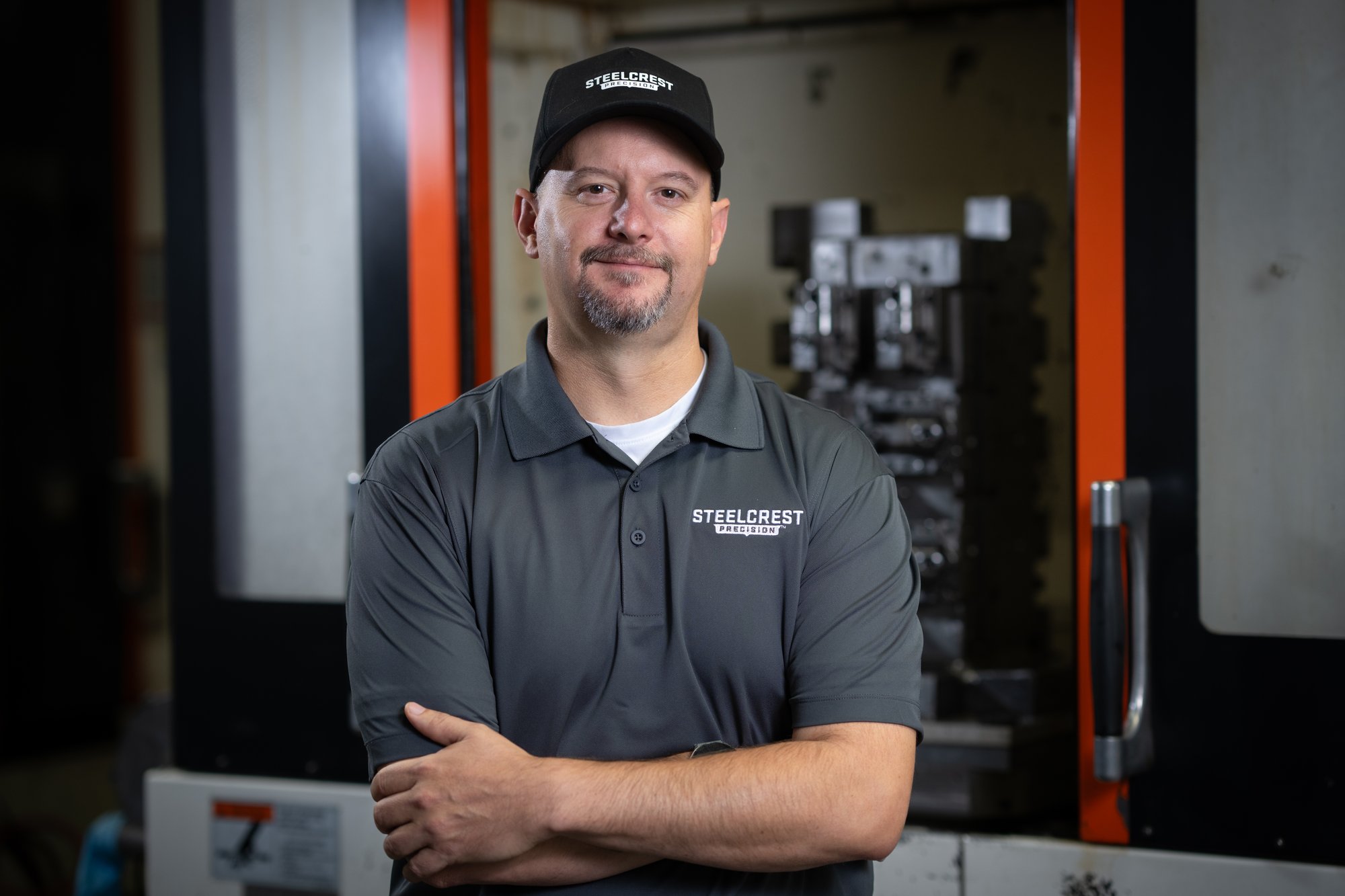
Steelcrest Precision_2025-35

Ready to Move Your Product Into Production? 

Materials We Machine for Consumer Products

Consumer manufacturing is a unit-cost business, and material is usually the first place a part gets too expensive. Steelcrest Precision machines the aluminum, steels, brass, and plastics that production components call for, plus the tool steels behind the molds and dies that make them. Select a material to see the grades we run and where they are used.

stainless steel

Aluminum

The default for consumer housings and structure: fast to cut, light, and it finishes well straight off the machine.
Grade Typical Application  
6061 Housings, brackets, structural components 
6063 Extruded rail, trim, and framing 
7075 High-strength and load-bearing details
2024 Fatigue-critical structural components 
carbon & alloy steels

Carbon & Alloy Steels

Drive and load-bearing components where steel is the honest answer, run bar-fed so the cost holds up across a long production run.
Grade Typical Application  
1018 Bar-fed turned hardware and fasteners
1045  Drive shafts, spindles, axles 
4140 High-load shafts and pre-hardened details
alloy steels

Tool Steels

Molds, dies, fixtures, and gauges, machined soft, heat treated, then ground and EDM cut to final size.
Grade Typical Application  
A2 Fixture details and general tooling 
D2 Die components, gauges, hardened wear details 
S7 Punches and die components under shock loading
H13 Injection mold cavities and hot-work details
O1 Short-run tooling and repair components
cooper,brass, & bronze

Copper, Brass & Bronze

Fittings, bushings, and electrical components, plus the brass consumer products often specify for finish rather than for function.
Grade Typical Application  
C360 Free-machining brass fittings and valve components
C464 Naval brass for marine and recreational hardware
C110 Electrical contacts and conductive components
C932 Bearing bronze bushings and wear components 
high-performance plastics

Engineering Plastics

Housings, gears, guards, and trim, machined for prototypes and low volumes long before a mold is ever cut.
Grade Typical Application  
Delrin / acetal Gears, bushings, precision mechanisms
Nylon 6 and 6/6 Rollers, bushings, low-load gears
Polycarbonate Guards, housings, impact-resistant covers
Acrylic Displays, lenses, clear trim components 
PVC Chemical-resistant housings and fabricated components
composites

Composites

Lightweight structure for recreational and performance products, machined with tooling and dust extraction suited to the material.
Grade Typical Application  
CFRP Lightweight structural and performance components
Carbon fiber / epoxy laminate Panels, plates, stiffening structure 

Consumer Products Machining Tolerances and Capabilities

Consumer-product machining requires more than holding tolerance on a single part. It demands repeatable quality at production volume, controlled cost per part, and tooling that performs throughout the run. Steelcrest reviews each print, quantity, finish, and tooling requirement upfront to match the work with the right machining and inspection processes. 

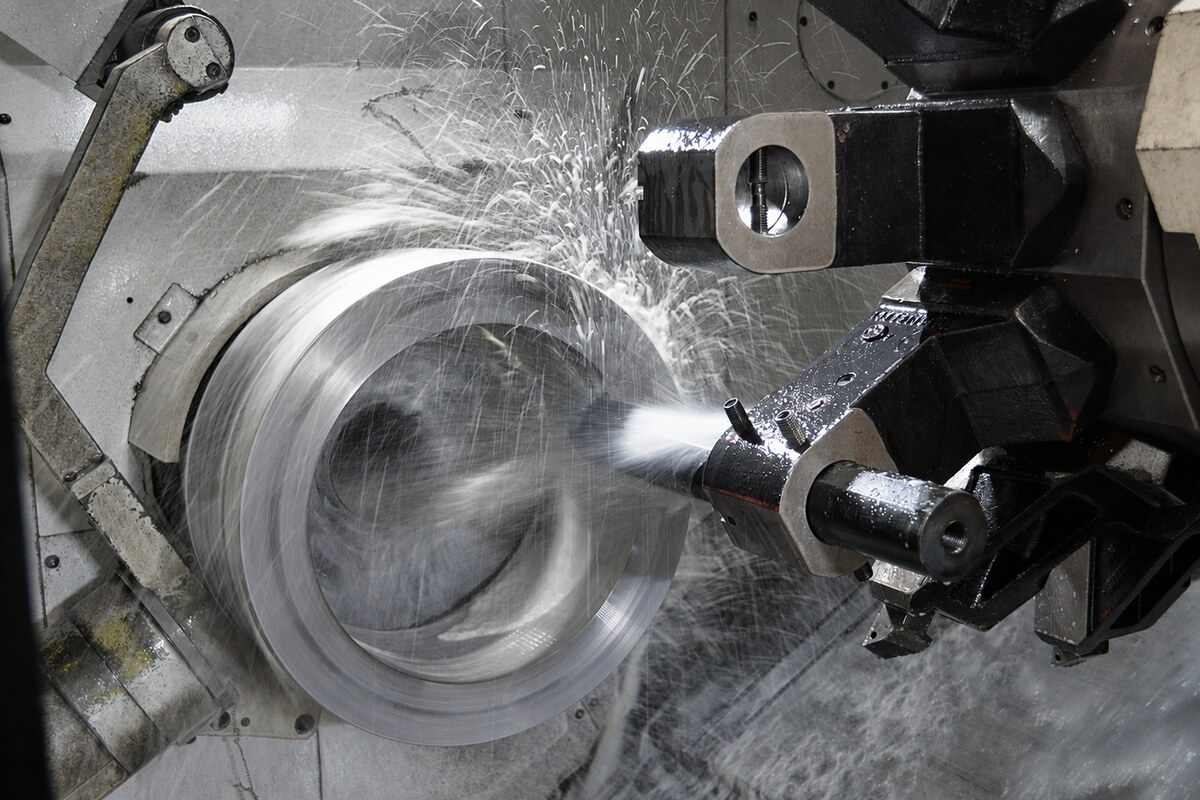
Production Turning for Volume and Repeatability: Bar-fed and robot-tended turning cells support repeat production, with overall turning capacity up to 26" in diameter × 160" long. Standard tolerances of ±0.0005" and precision features held to ±0.0002" support shafts, pins, bushings, and other rotating components.

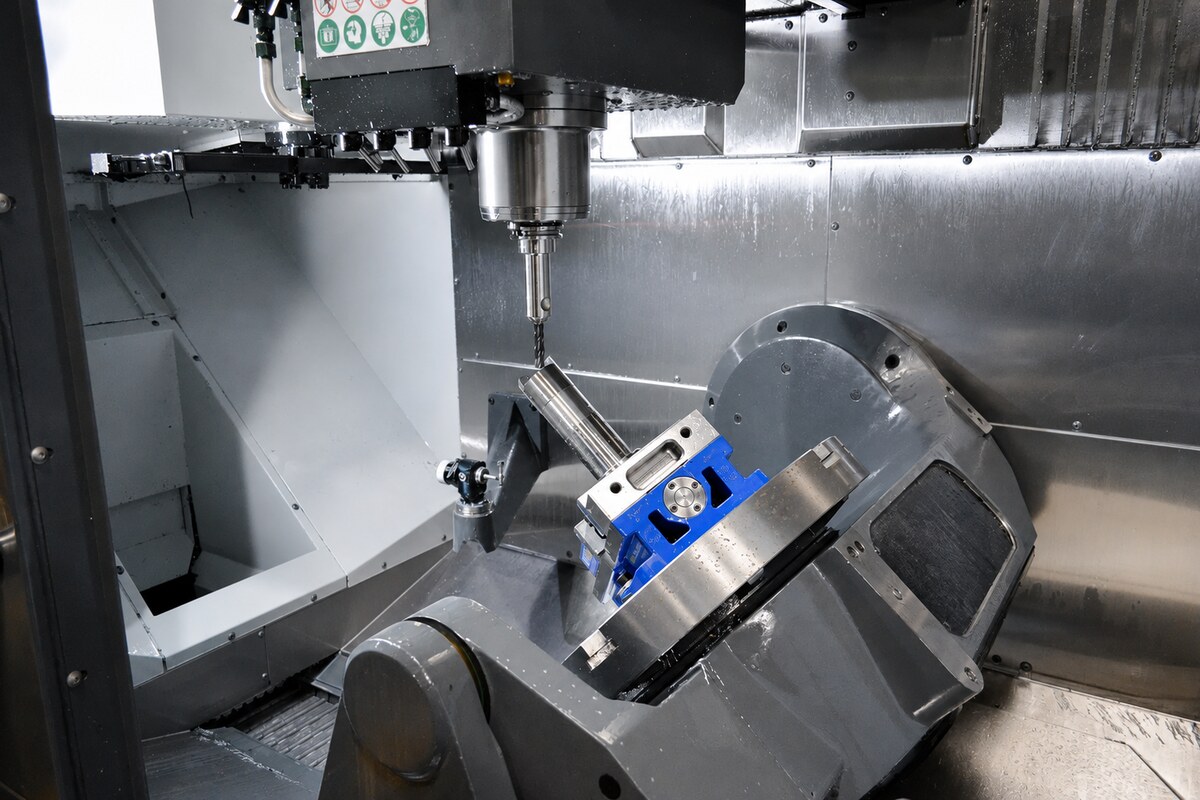
CNC Milling for Components, Molds, and Fixtures: High-speed vertical milling supports cycle-time-sensitive parts and cosmetic surfaces, while large-format milling accommodates components and tooling up to 80" × 50". Standard milling tolerances of ±0.001" support housings, brackets, plates, molds, and fixtures.

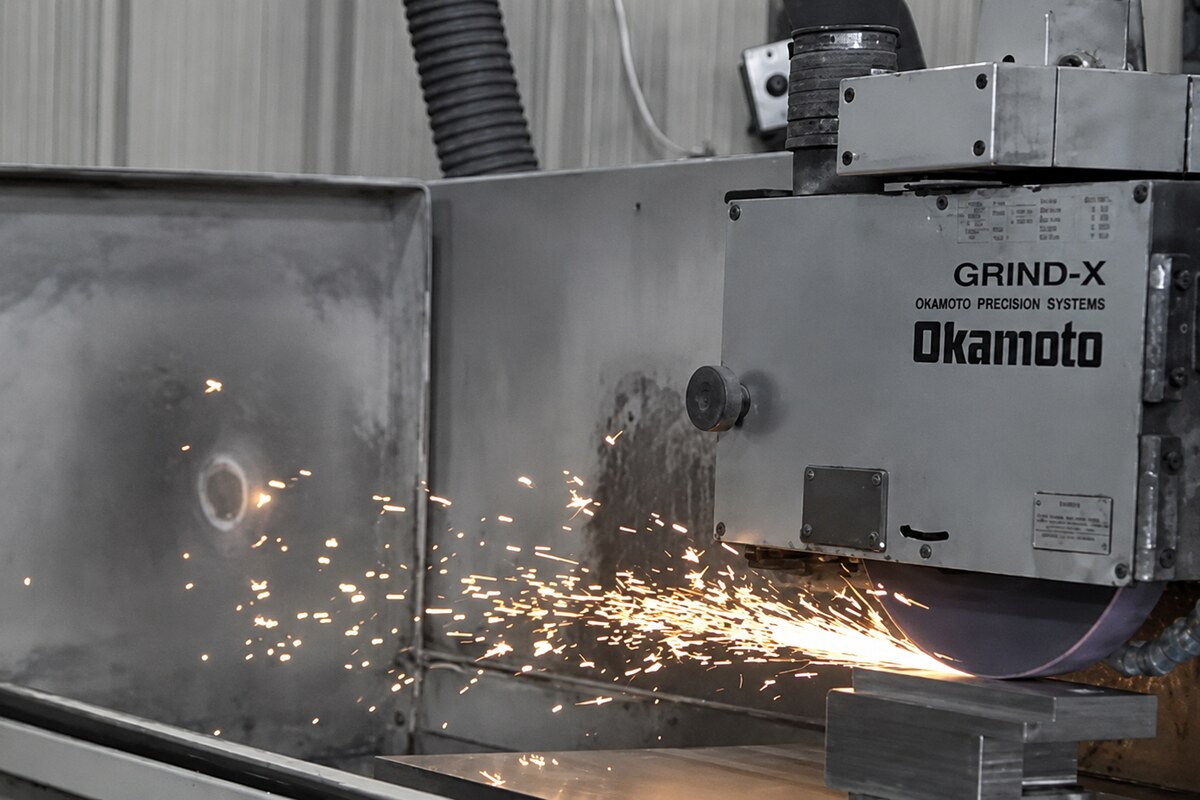
Grinding and EDM for Production Tooling: Wire EDM accommodates workpieces up to 31" × 28" × 11", while RAM EDM supports cavities and complex features up to 24" × 14" × 10". Grinding and EDM hold tolerances from ±0.0005" to ±0.0002", with finishes down to 8 Ra.

Prototype-to-Production Support: Early design-for-manufacturability review and prototype machining help confirm fit, function, and production strategy before tooling is committed. Once approved, automated and lights-out machining supports consistent repeat production from one run to the next.

CNC Machining for Consumer Products Manufacturers

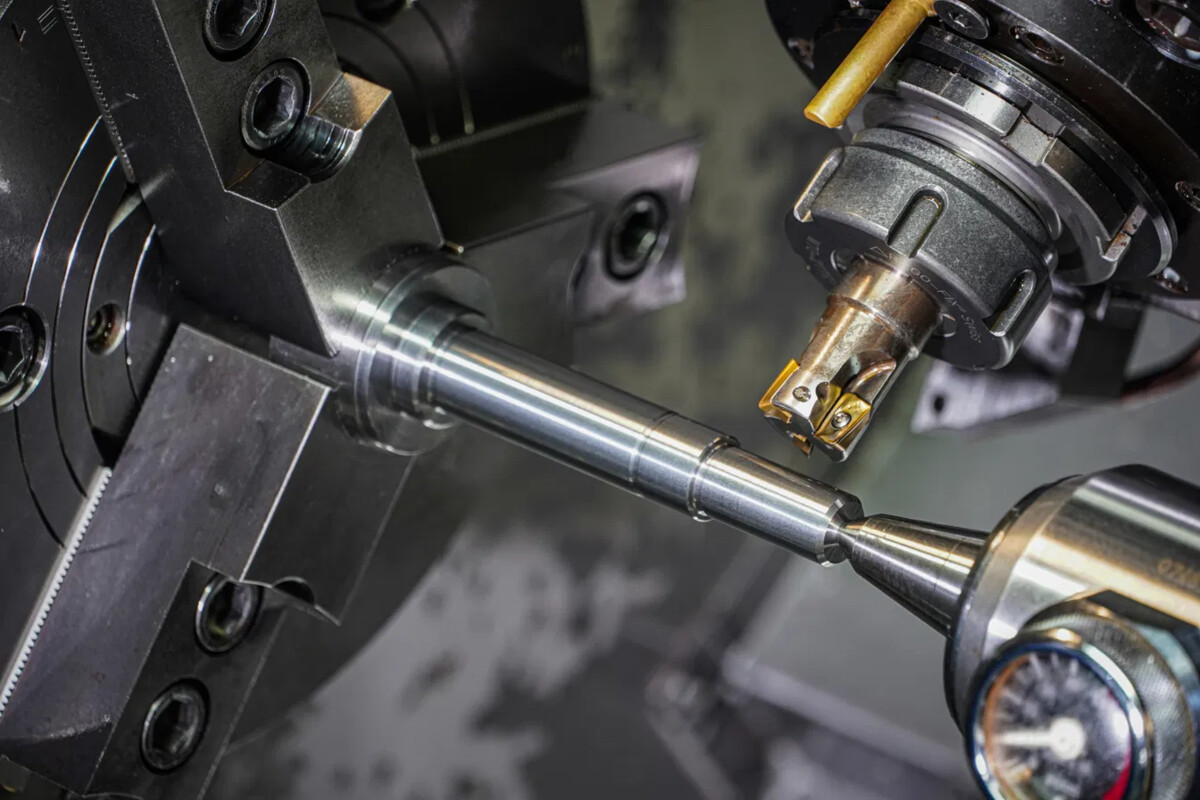
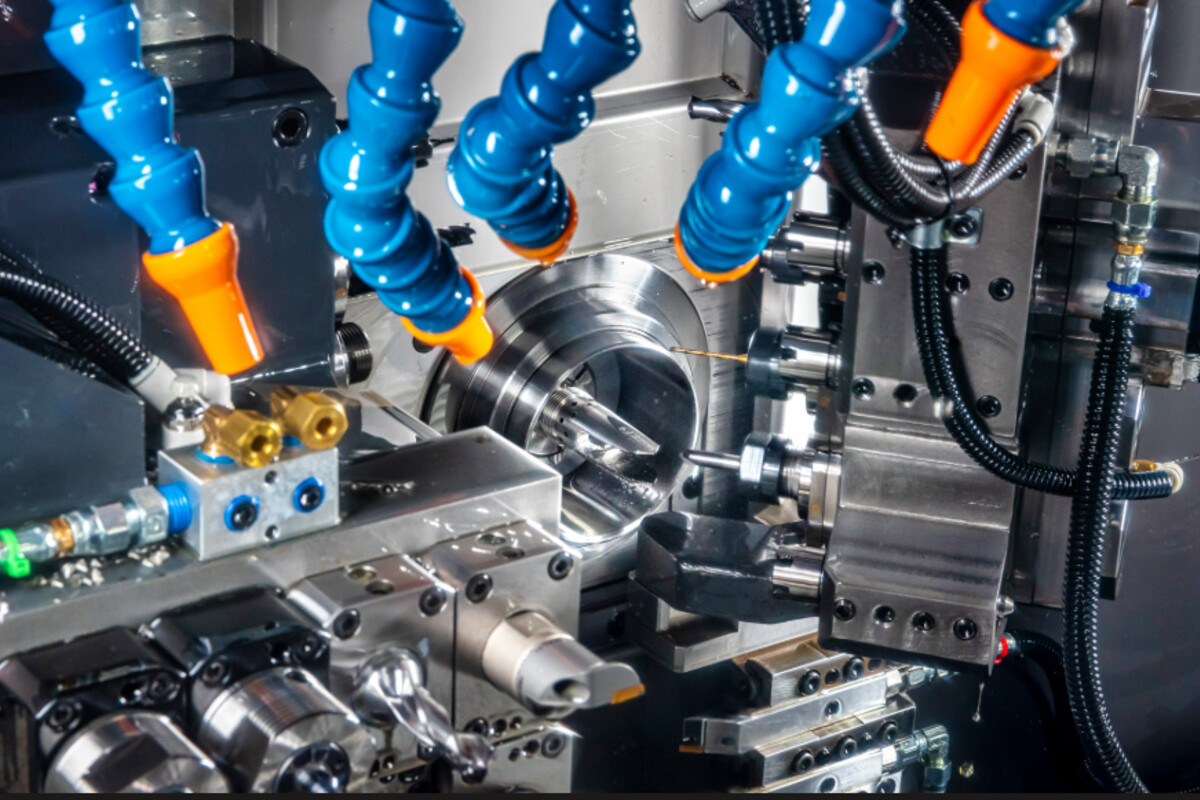
High-speed Haas verticals and bar-fed turning keep unit costs competitive at volume, and robot-tended cells extend the day past the shift. Multi-tasking machines finish complex parts in one setup, which removes the handling that drives both cost and variation. 

Grinding and EDM build and maintain the molds, dies, and fixtures behind the product, in A2, D2, S7, and H13 tool steels ground to size after heat treat. Rapid prototyping and design-for-manufacturability review catch cost problems while they are still cheap to fix, which is before the tool exists rather than after. 

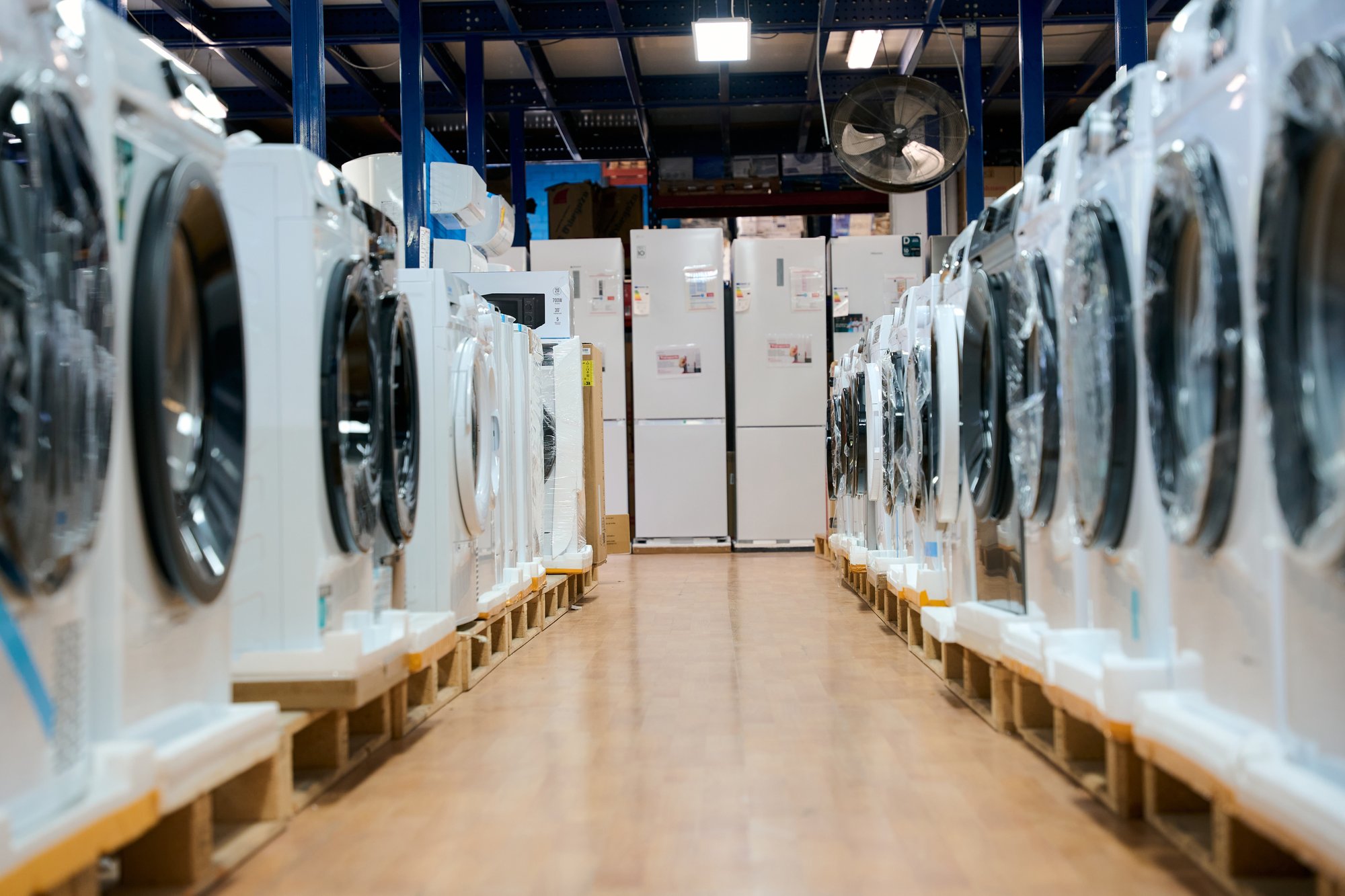
new-household-appliances-displayed-in-department-s-2026-06-19-21-53-49-utc

 Consumer Products Components We Machine

Representative of the work this industry brings us, across production parts and the tooling that produces them.

Component Process Material Critical feature
Production housing component Mill 6061 aluminum Cycle-time optimized, cosmetic surface
Drive shaft, small appliance Turn, bar-fed 1045 Repeatability across a long run
Injection mold detail set Mill, EDM, grind S7 / D2 Fine features, 8 Ra shutoffs
Assembly fixture Mill Aluminum / A2 Locator accuracy ±0.001"
Fitting, recreational product Swiss turn C360 brass Thread quality held at volume
Checking gauge Mill, grind D2 hardened Datum surfaces ±0.0002"

Turn Your Next Product Challenge Into a Production Plan.

 Whether you need a prototype, repeat-production component, replacement tool, or complete fixture, send us the drawing and requirements. Our team will provide a clear path forward for the process, tolerances, cost, and delivery. 

Frequently asked questions

What does Steelcrest Precision machine for consumer products manufacturers?

Production components for appliances, power tools, recreational products, and similar goods, plus the molds, dies, assembly fixtures, and checking gauges that manufacture them.

How does Steelcrest keep unit costs competitive at volume?

Robot-tended machines, bar feeders, and lights-out machining reduce labor per part, while process stability and in-process inspection minimize scrap across long production runs.

Can Steelcrest support product development before production?

Yes. Rapid prototyping and design-for-manufacturability review happen early, and the same shop then scales the part to production, so nothing is relearned at handoff. 

Does Steelcrest build production tooling?

Yes. Four decades of toolmaking covers molds, dies, fixtures, and gauges in tool steels including A2, D2, O1, S7, and H13, with hard machining, precision grinding, and wire and RAM EDM in-house. 

What tolerances can Steelcrest hold on tooling components?

Grinding and wire EDM from ±0.0005 inch down to ±0.0002 inch, with surface finishes to 8 Ra, depending on material, geometry, and feature location. 

What materials does Steelcrest Precision machine?

Carbon and alloy steels, stainless steels, tool steels, aluminum, copper, brass and bronze, and engineering plastics, matched to the product and the price point. 

How fast does Steelcrest respond to a quote request?

Quotes come back within 48 hours. Send a drawing or 3D model, material specification, tolerances, quantities, and your requested delivery date, along with any inspection or documentation requirements.