


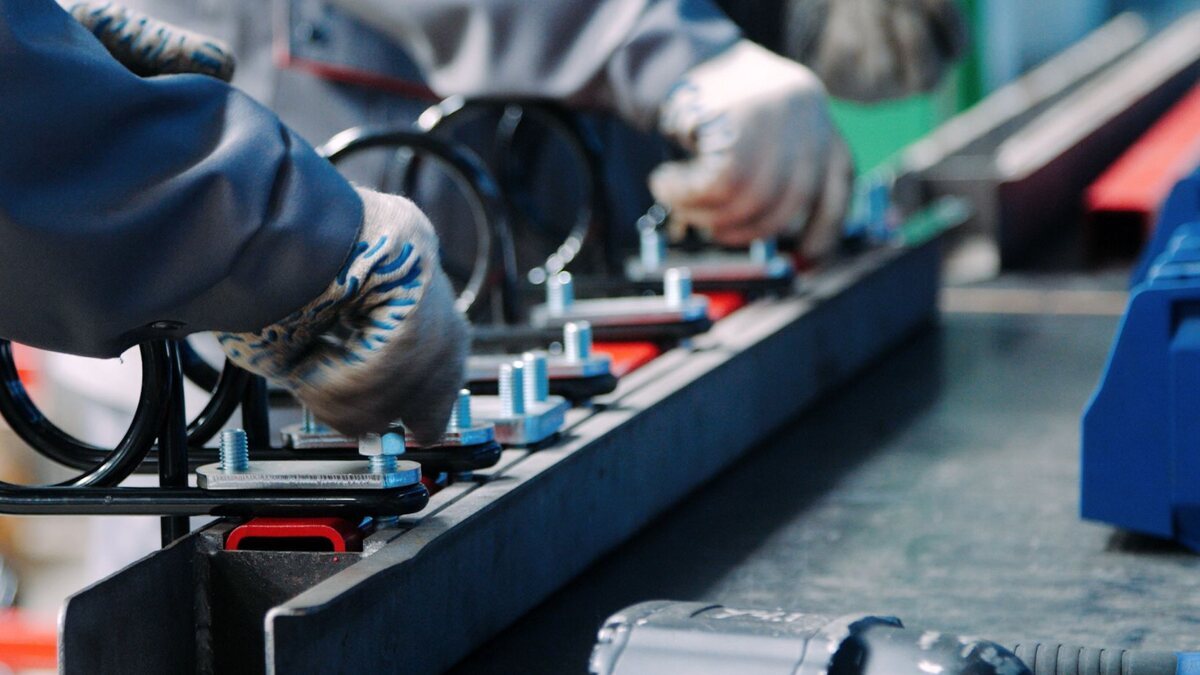
Material Handling & E- Commerce Warehousing
Conveyor rollers, drive shafts, sprockets, guide rails, and automation components machined at production volume, with capacity you can schedule releases against.
A Machining Partner That Keeps Pace With the Build-Out
Every fulfillment center and sortation system going up right now is full of turned and milled components, and the OEMs and integrators building them rarely have the machining capacity in-house to keep pace. Machining becomes the bottleneck in a build plan that has no room for one.
Steelcrest Precision machines conveyor and automation components at production volume from Wauseon, Ohio. More than 100 CNC machines, bar-fed and robot-tended turning cells running lights-out, and blanket releases that commit capacity to your install schedule before the crunch arrives rather than after.

What Is Material Handling CNC Machining?
Material handling CNC machining is the production of the precision components that move product through a warehouse: conveyor rollers, drive and idler shafts, sprockets, guide rails, brackets, and the custom fixtures automation cells are built around. It is high-mix production work where the parts themselves are rarely exotic.
The defining requirements are repeatability at volume, consistent unit cost across a long run, and delivery timed to installation schedules that do not move. A part that is right and late is still a crew standing around a half-built line.
The People Behind the Parts
Production machining rewards discipline more than heroics. The job is won at setup: bar feeders loaded, offsets proven, in-process checks scheduled, so that piece five thousand matches piece one without anyone having to intervene.
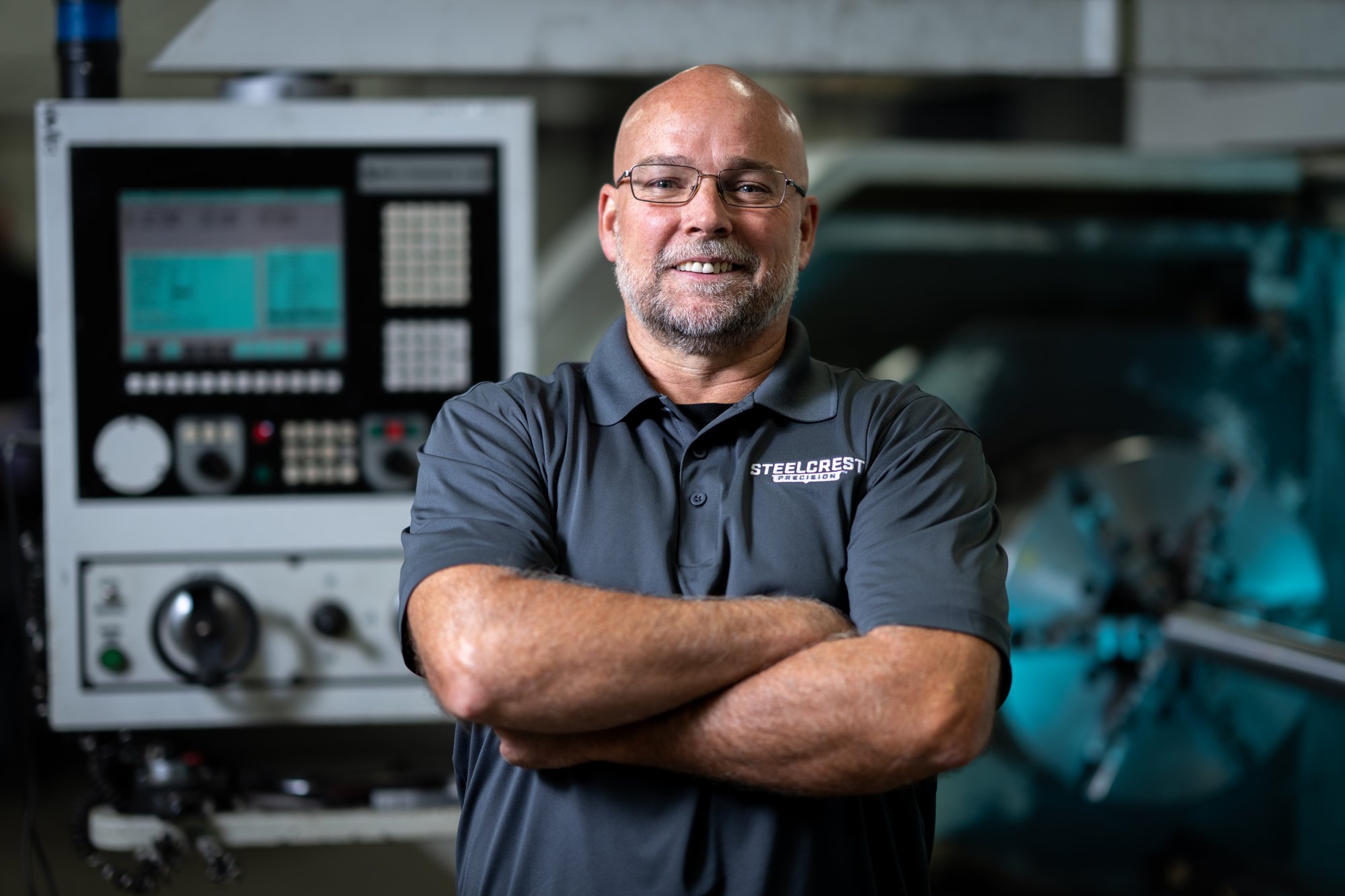
Machinists with decades of production experience, engineers who design the process around cost per part rather than around the fastest first article, and a floor that keeps the schedule honest because someone is looking at it every morning.

Keep Your Material Handling Systems Moving
Materials We Machine for Material Handling Components
Conveyance components run continuously and get replaced on a schedule, so material choice is a cost-per-year decision as much as a strength one. Steelcrest Precision machines the steels, aluminum, and engineering plastics that rollers, shafts, sprockets, and guide rails call for, at production volume. Select a material to see the grades we run and where they are used.
Carbon & Alloy Steels
| Grade | Typical Application |
| 1018 | Bushings, spacers, bar-fed turned hardware |
| 1045 | Conveyor drive shafts, axles, rollers |
| 4140 | Sprockets and high-load drive components |
| 4340 | Heavy-duty shafts and pivot components |

Wear-Resistant Steels
| Grade | Typical Application |
| AR400 | Chute liners, transfer plates, wear surfaces |
| AR500 | High-impact and severe abrasion components |

Stainless Steels
| Grade | Typical Application |
| 304 | General corrosion-resistant conveyance hardware |
| 316 | Washdown and cold storage components |

Aluminum
| Grade | Typical Application |
| 6061 | Guide rails, brackets, mounting plates |
| 6063 | Extruded rail and framing components |

Engineering Plastics
| Grade | Typical Application |
| UHMW-PE | Wear strips, guide rails, chute liners |
| Nylon 6 and 6/6 | Rollers, sheaves, bushings |
| Delrin / acetal | Precision bushings, gears, timing components |
| HDPE | Guards, liners, low-load components |

Urethane & Wear Components
| Grade | Typical Application |
| Cast urethane | Drive rollers, wear pads, impact components |
| Urethane sheet | Liners, bumpers, damping components |
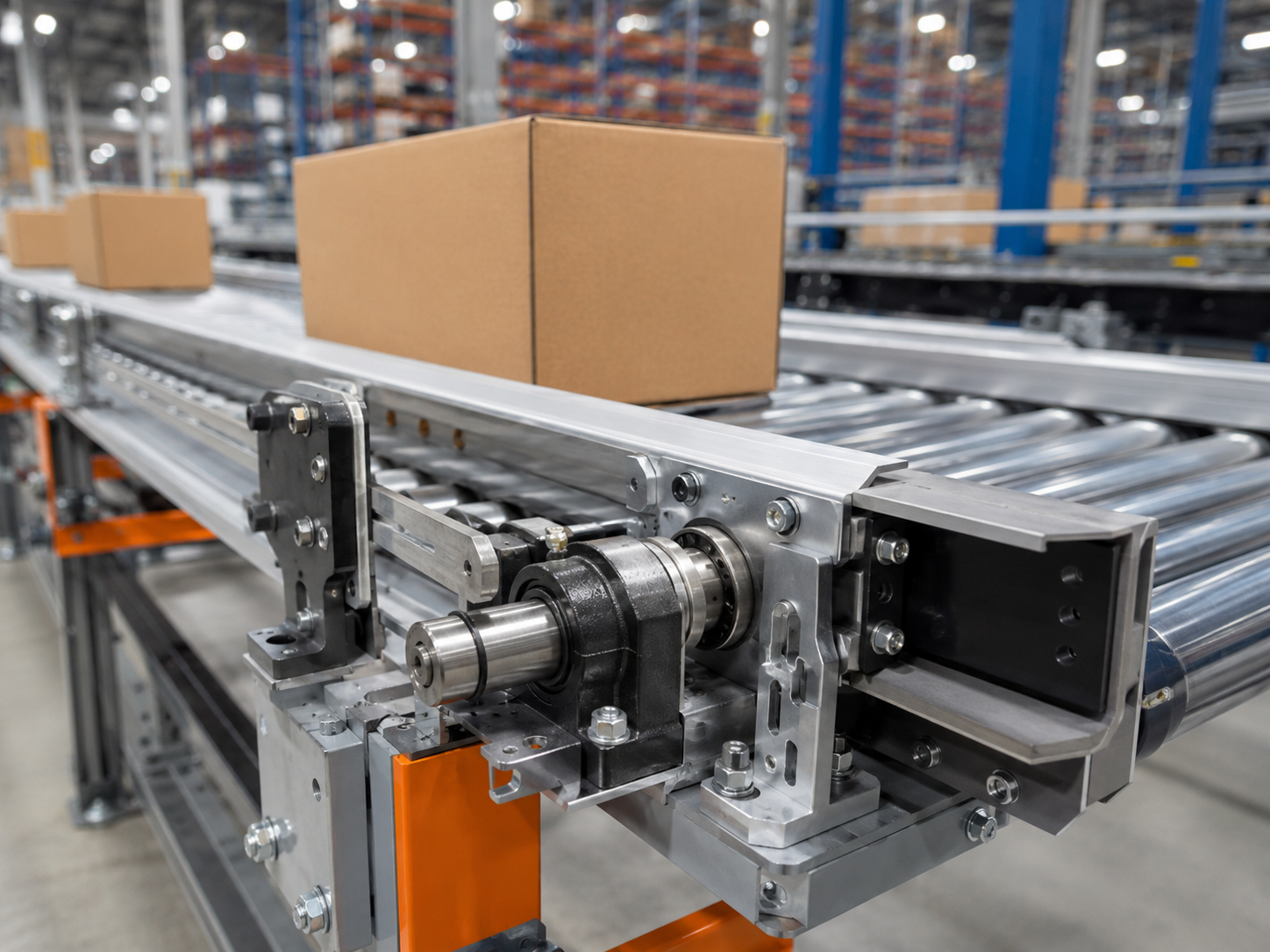
Material Handling Machining Capacity and Tolerances
Material handling equipment depends on repeatable components, dimensional consistency, and dependable performance across long production runs. Steelcrest reviews each print, production quantity, and assembly requirement upfront, then matches the work with the appropriate turning, milling, horizontal machining, and assembly capabilities.
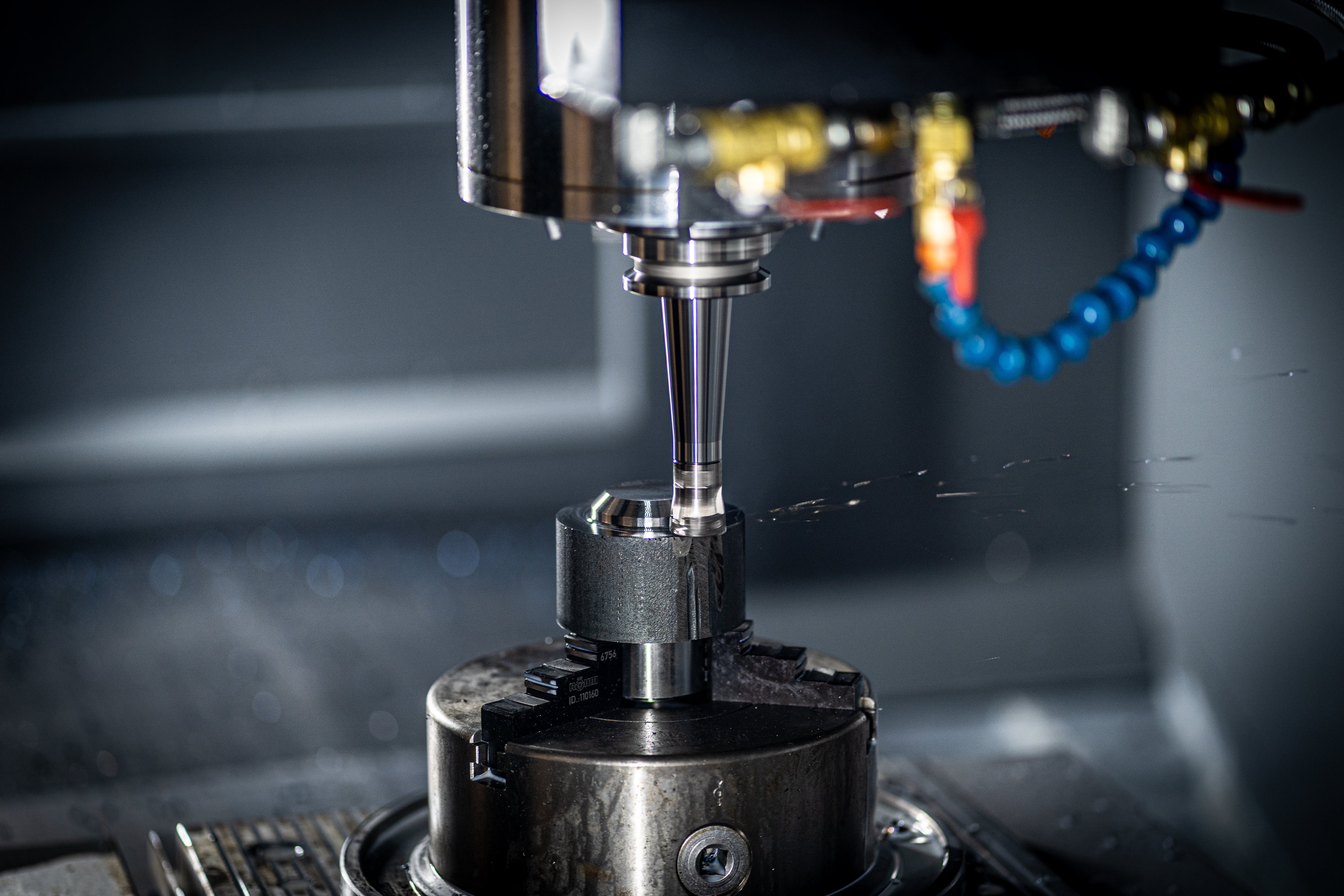
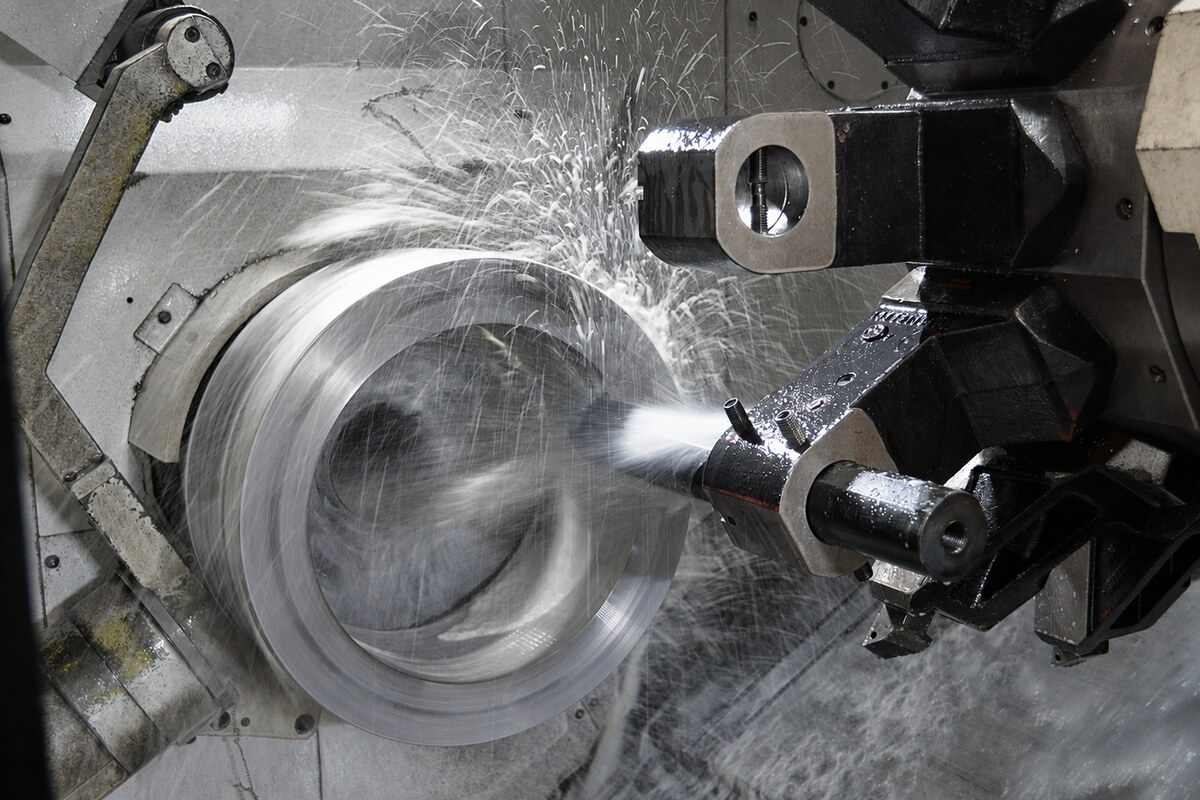
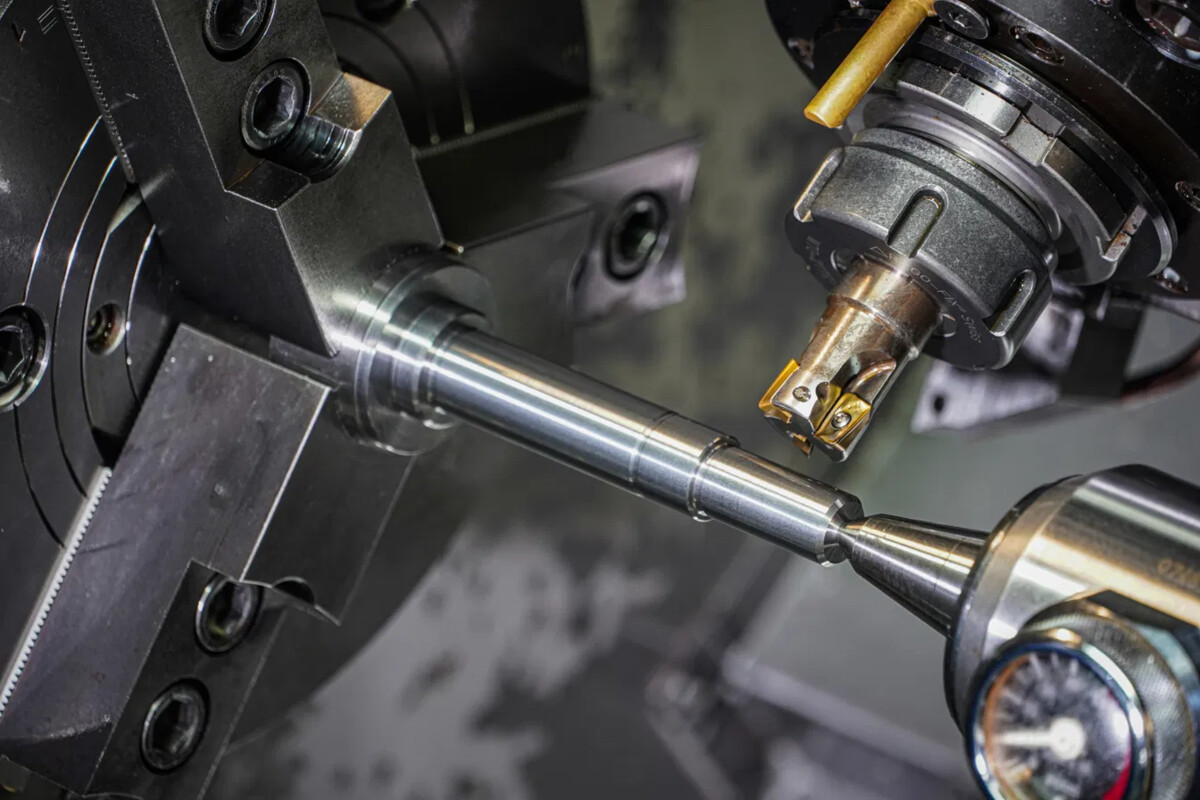
✓ Production Turning for Repeatable Volume: Production turning is optimized for parts from 0.5" to 6" in diameter, with capacity up to 26" in diameter and 160" long. Standard tolerances of ±0.0005" and precision features held to ±0.0002" support shafts, rollers, pins, and other rotating components.
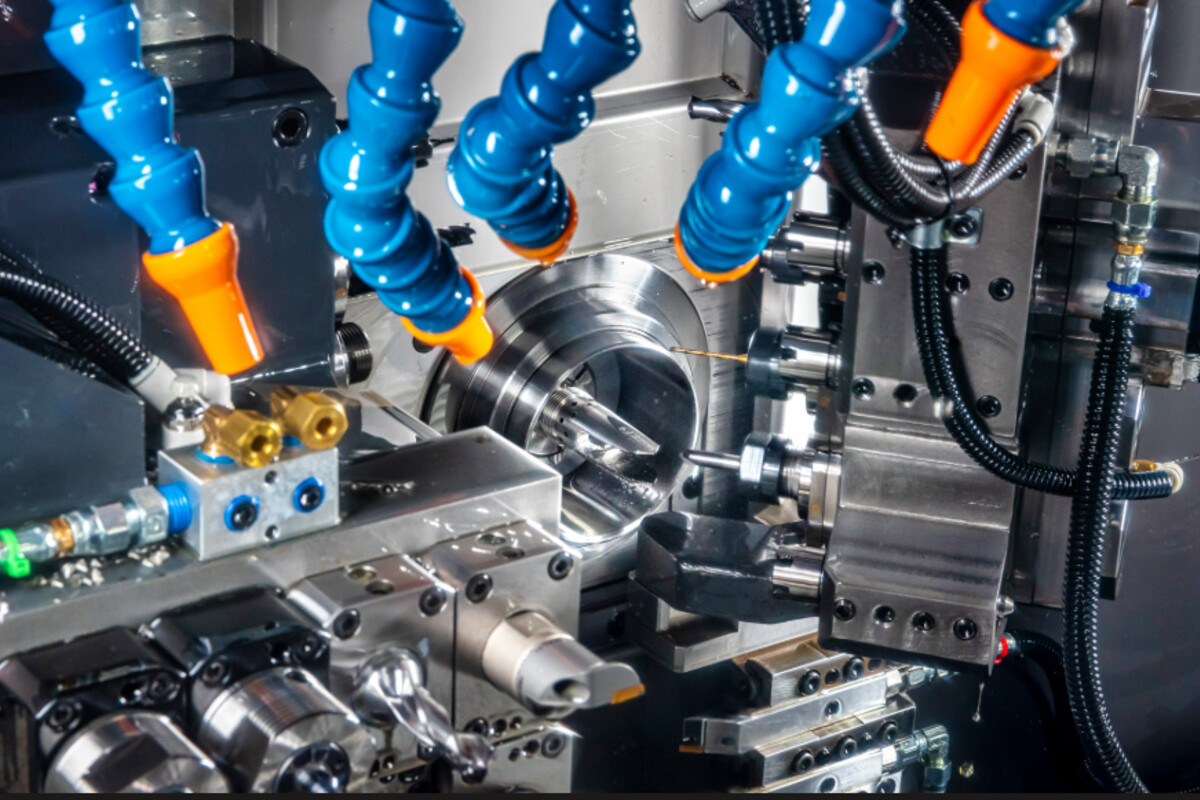
✓ Automated Turning for Production Consistency: Bar-fed and robot-tended turning cells support unattended and lights-out production while maintaining repeatability from one production run to the next.
✓ Long-Part & Large-Format CNC Milling: Long-part milling accommodates guide rails and similar components up to 120" × 20". Large-format milling supports brackets, plates, and structural components up to 80" × 50", with standard tolerances of ±0.001".
✓ Horizontal Machining & In-House Assembly: Horizontal machining accommodates multi-sided components up to 64" × 50" × 32" with standard tolerances of ±0.001". In-house assembly capabilities support install-ready subassemblies prepared for integration into material handling equipment.
CNC Machining for Material Handling & Warehouse Automation
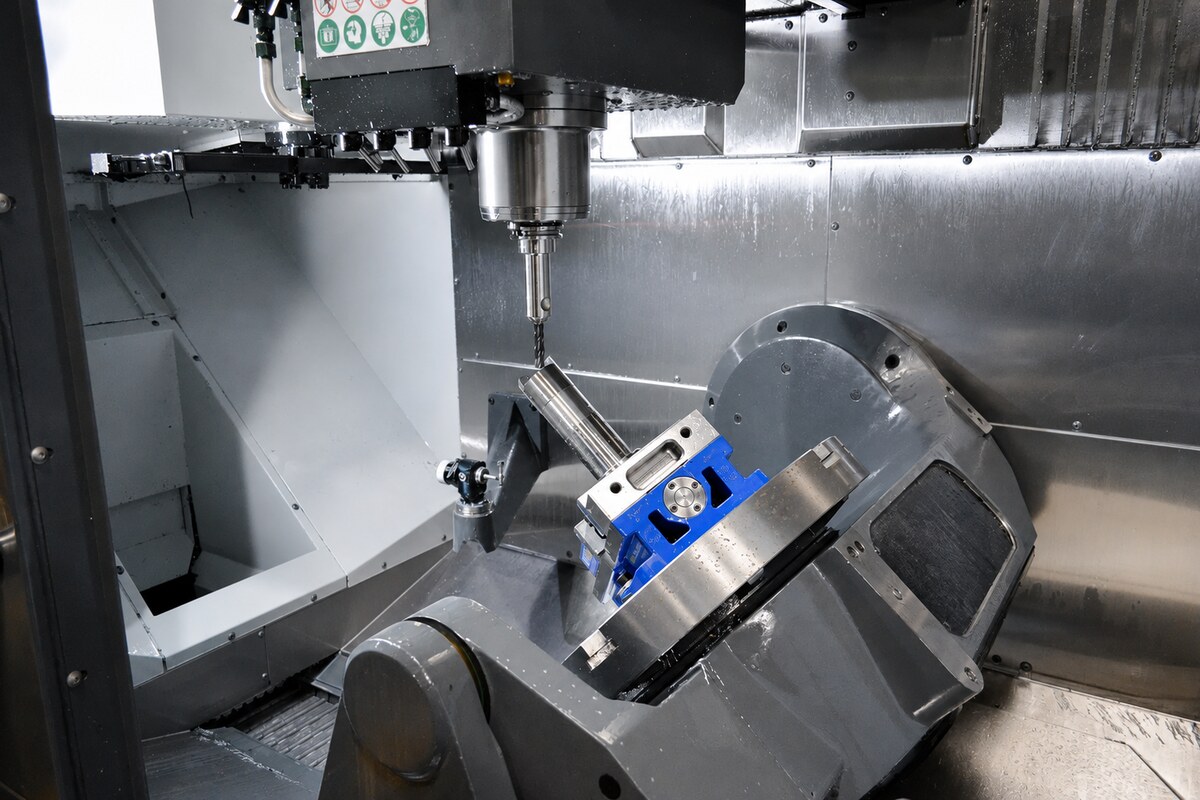
High-volume turning covers rollers, shafts, axles, and bushings, with bar feeders and robot-tended lathes keeping unit cost down and consistency up across the run. Vertical and horizontal milling handles brackets, plates, and multi-feature components.
Long-bed milling produces guide rails and structural members past 100 inches, where straightness is the whole job. And in-house assembly means we can deliver install-ready sub-assemblies rather than boxes of loose parts for your install crew to sort on site, which is where schedule quietly disappears.

Material Handling Components We Machine
Representative of the work this industry brings us, from prototype through recurring blanket releases.
| Component | Process | Material | Critical feature |
|---|---|---|---|
| Conveyor drive shaft | Turn, bar-fed | 1045 | Journal diameters ±0.0005" at volume |
| Idler roller set | Turn | 6061 aluminum | Wall consistency, balance |
| Drive sprocket | Turn, mill | 4140 | Bore and keyway fit, tooth profile |
| Guide rail, long | Mill | 6061 aluminum | Straightness past 100 inches |
| Wear guide | Mill | UHMW-PE | Edge finish, snap-fit dimension |
| Mounting bracket, volume | Mill | Carbon steel | Hole pattern position, run to run |
Lock In Capacity Before the Crunch
Send the print and the build plan, and we will come back with pricing, a release schedule, and a straight answer on whether the date is real. Quotes come back within 48 hours.
Frequently asked questions
What material handling components does Steelcrest Precision machine?
Conveyor rollers, drive and idler shafts, axles, bushings, sprockets, guide rails, brackets, mounting plates, and custom fixtures for warehouse automation, conveyance, and sortation OEMs and integrators.
Can Steelcrest run high-volume conveyor components?
Yes. Bar feeders and robot-tended lathes support unattended, lights-out production, which keeps unit cost consistent and repeatability high across long production runs.
What tolerances does Steelcrest hold on turned material handling parts?
Standard turning tolerance is ±0.0005 inch, with precision turning to ±0.0002 inch depending on setup, material, and geometry. Milling holds ±0.001 inch as standard.
Does Steelcrest support blanket orders and scheduled releases?
Yes. Blanket orders with releases scheduled to your build plan, so machining capacity is committed to your installation dates before you need the parts rather than after.
Can Steelcrest deliver assembled units instead of loose parts?
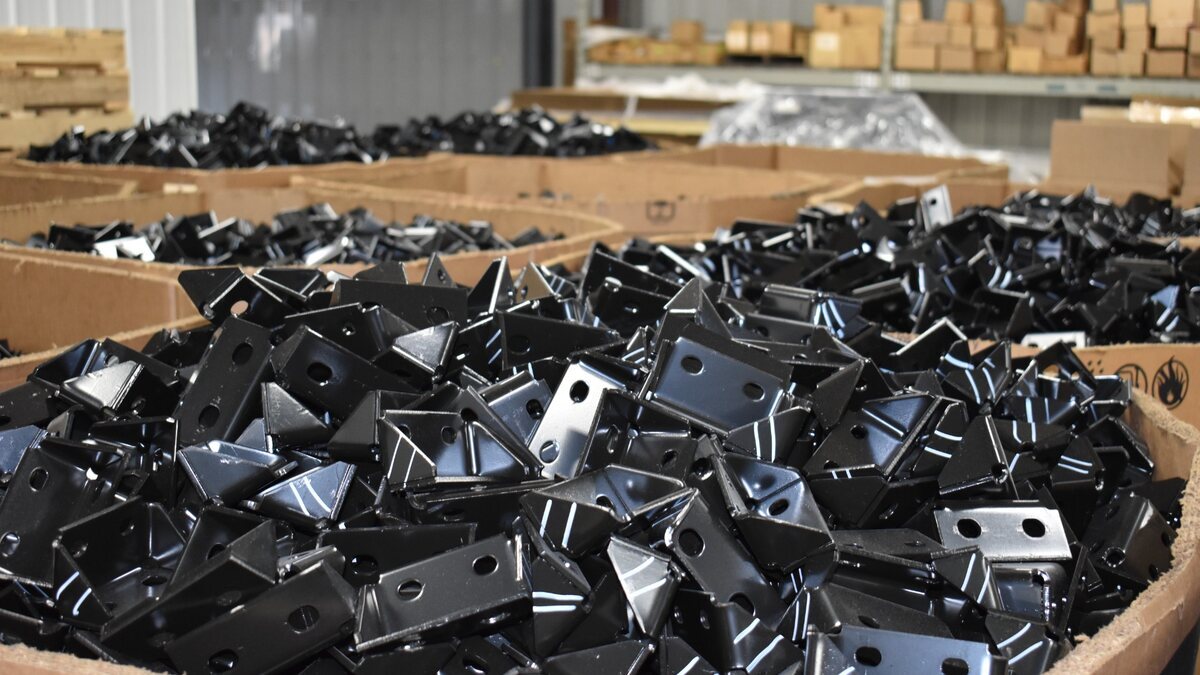
Yes. In-house assembly integrates machined parts, hardware, and coated components into install-ready sub-assemblies, which reduces sorting and handling on the installation site.
How long a guide rail can Steelcrest machine?
Long-part milling handles components up to 120 by 20 inches on a Haas VF-10, with straightness controlled across the full length. Larger parts can be evaluated based on geometry and workholding.
How fast does Steelcrest respond to a quote request?
Quotes come back within 48 hours. Send a drawing or 3D model, material specification, tolerances, quantities, and your requested delivery date, along with any inspection or documentation requirements.