Skip to content

Food & Beverage

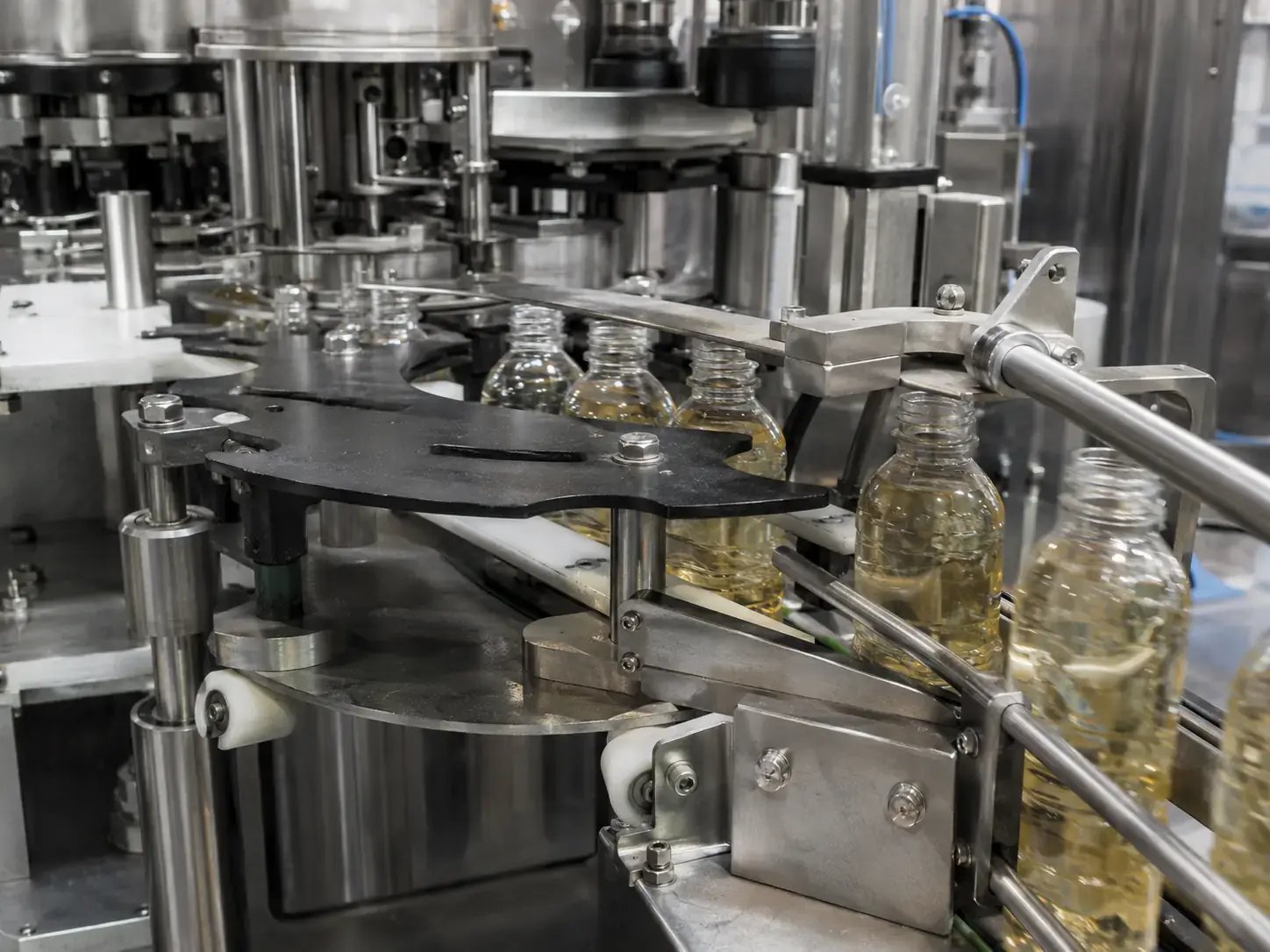
Corrosion-resistant components for processing, filling, and packaging equipment, machined in stainless and engineering plastics, whether the job is a planned build or a line that stopped an hour ago.

In food and beverage, machining needs arrive at two speeds. There is the planned work: components for equipment builds, changeover parts for a new package size, spares ordered before they are needed. And there is the other kind, where a part failed on second shift and the line is sitting. 

Steelcrest Precision handles both from Wauseon, Ohio. Corrosion-resistant components machined to print, and expedited replacements that start moving the day the order lands, beca

food-beverage-cnc-machining-web

What Is Food & Beverage CNC Machining?

Food and beverage CNC machining is the production of components for processing, filling, and packaging equipment, typically in stainless steels and engineering plastics that tolerate washdown chemicals and product contact. Its defining requirements are corrosion resistance, surface quality, and turnaround speed.

Speed matters more here than in most industries because equipment downtime is measured in lost product, not just lost hours.  When an obsolete or damaged component fails, CNC machining and reverse engineering can reproduce the part without waiting for the original equipment manufacturer. A replacement part that meets every tolerance but arrives two weeks late has already failed the production schedule. 

Steelcrests' Food & Beverage Expertise

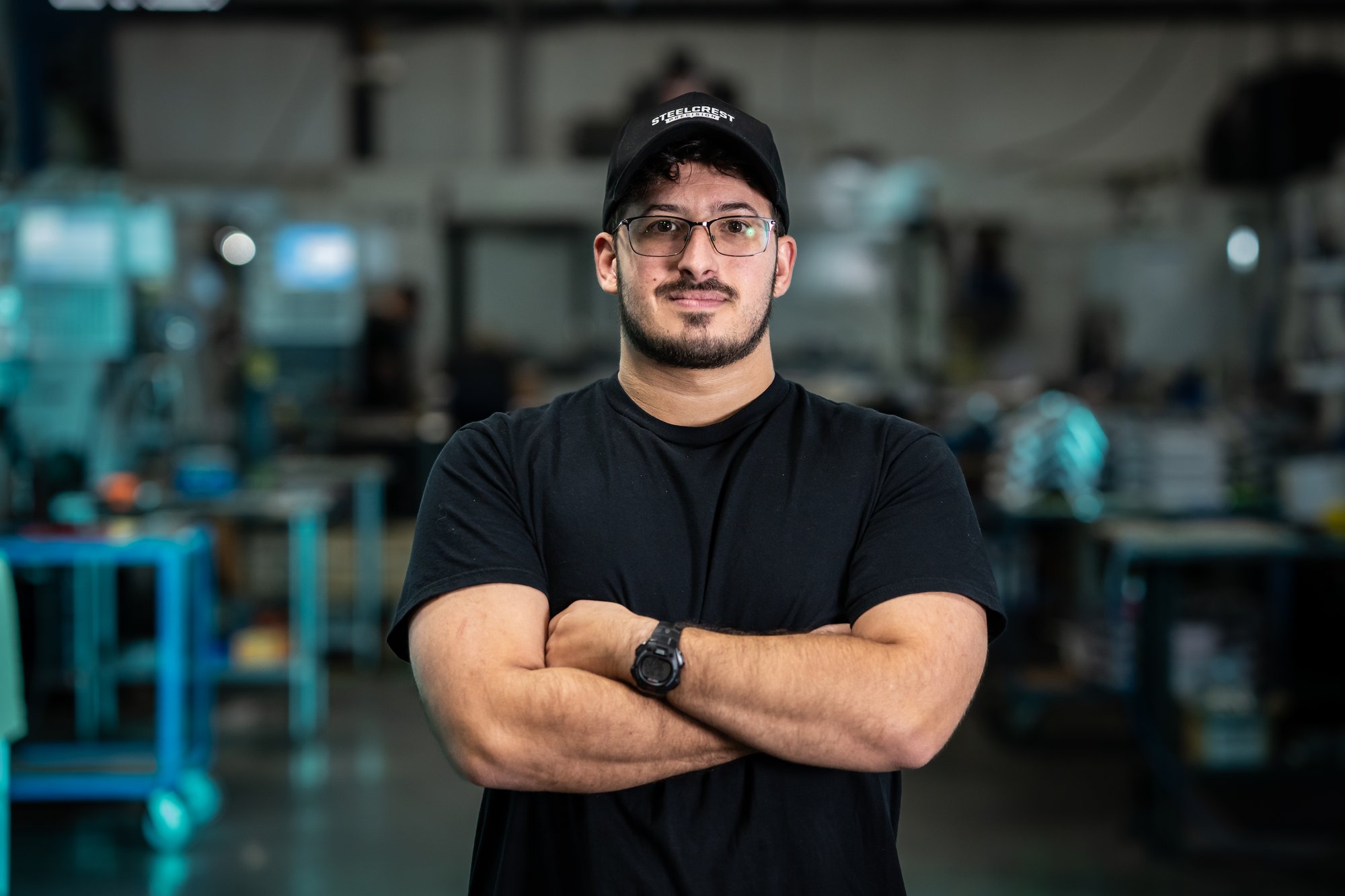
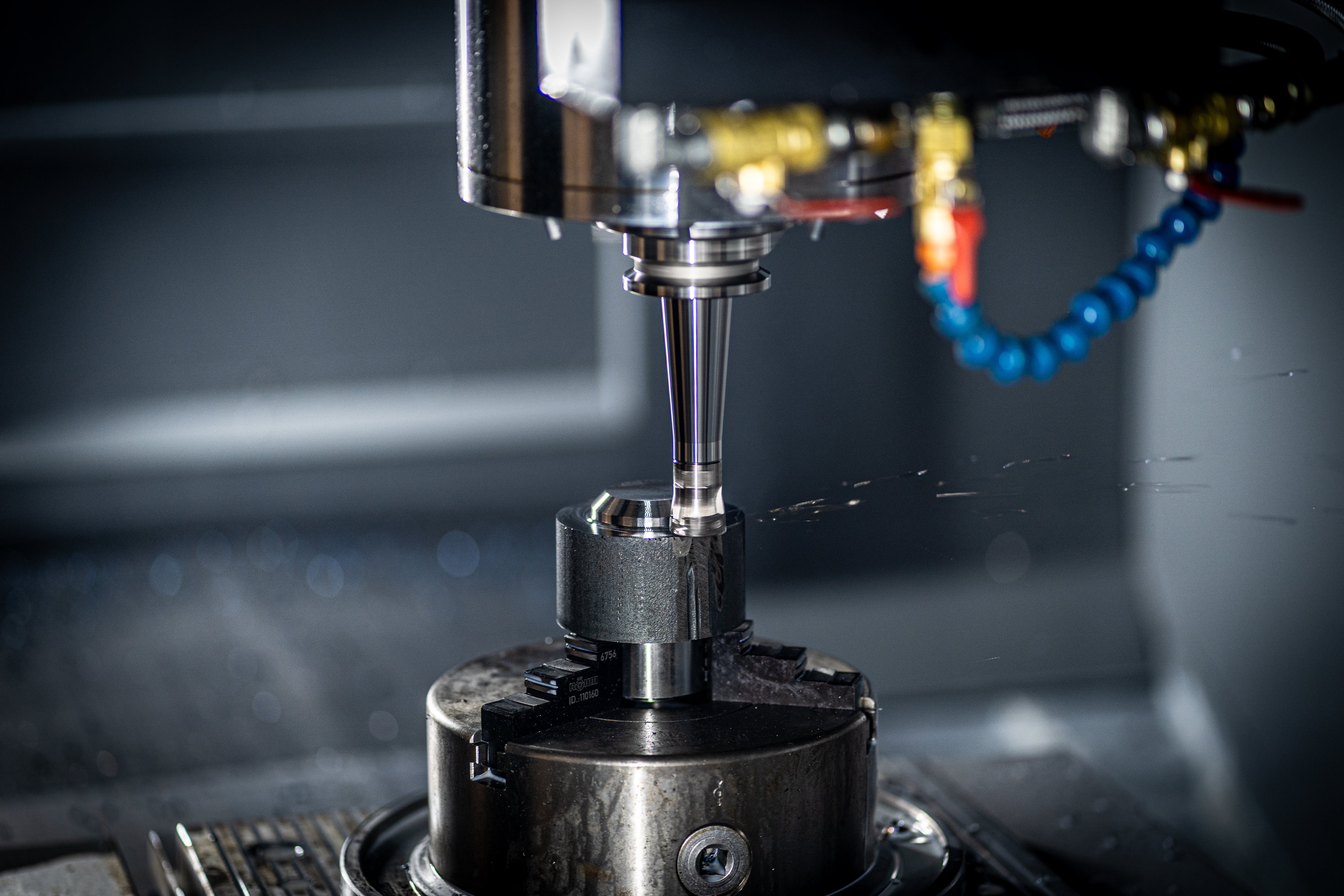
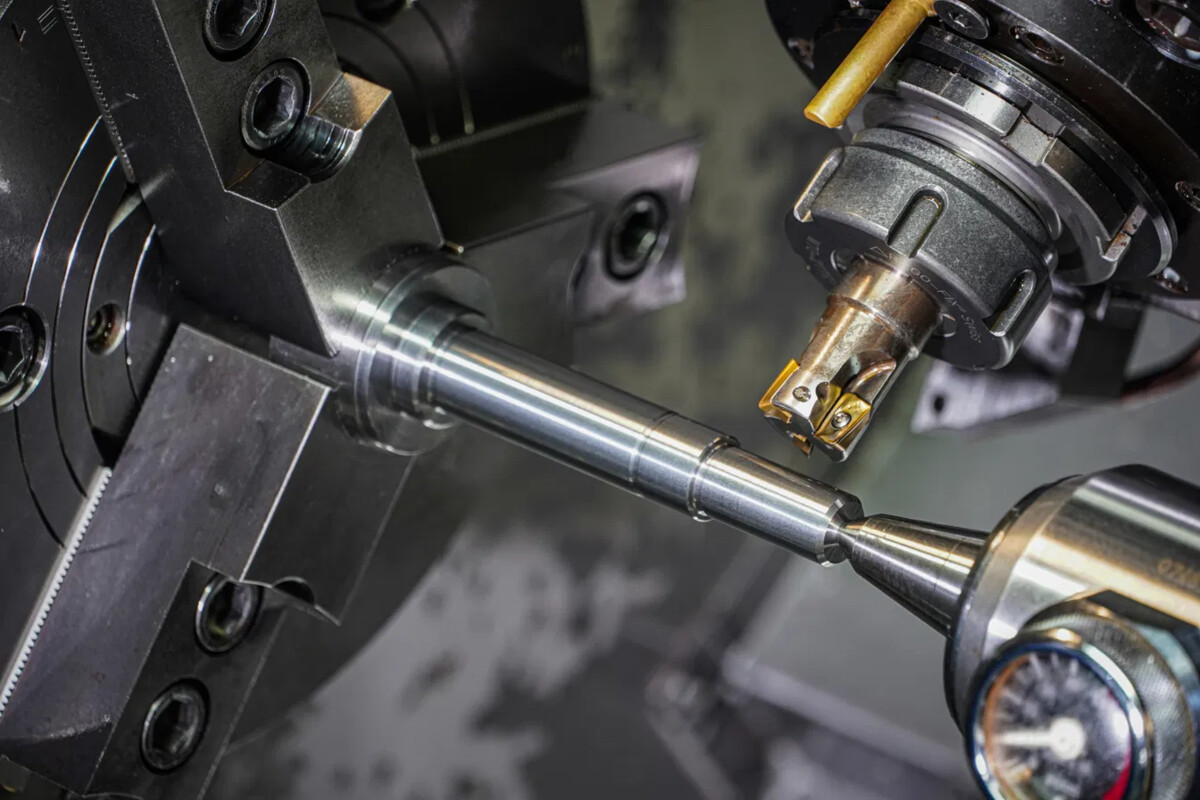
Our machinists and engineers support food and beverage equipment applications where uptime, material performance, and dimensional consistency all matter. Whether a component requires CNC turning and Swiss machining, CNC milling and multi-tasking, or another precision process, Steelcrest produces shafts, fittings, rollers, guides, housings, and changeover components built to perform in demanding production environments.

Stainless steel and engineering plastics require the right tooling, speeds, workholding, and machining strategy to control heat, prevent deformation, and achieve the specified finish. Our precision grinding and EDM capabilities support critical dimensions, wear surfaces, and complex features that conventional machining cannot always complete. When a damaged or obsolete component threatens production, our reverse engineering capabilities rcan help recreate its geometry and provide a replacement designed to keep the line moving.

Steelcrest Precision_2025-14

Experience the Steelcrest Precision Difference!

Materials We Machine for Food & Beverage Equipment

Food and beverage components have to survive caustic washdown, hold a finish, and keep doing both for years. Steelcrest Precision machines the stainless grades, corrosion alloys, and engineering plastics that processing, filling, and packaging equipment call for. Select a material to see the grades we run and where they are used.

stainless steel

Stainless Steels

The default for anything in a washdown or product-contact environment. We run stainless every week, with the tooling and the feeds it demands rather than the ones that work on mild steel.
Grade Typical Application  
303 Free-machining fittings and small turned components
304 Frames, guards, general equipment hardware 
316 Product contact and caustic washdown components
410 Hardenable stainless for wear and valve details
440C Hardened wear components and precision-ground pins 
Precipitation-Harding Stainless

High-Performance Alloys

For service where stainless will not hold up: severe corrosion, aggressive cleaning chemistry, and sustained high temperature.
Grade Typical Application  
Inconel 625  High-temperature and severe corrosion components
Hastelloy C-276 Aggressive chemical and cleaning exposure
Monel 400 Salt and acid service components
high-performance plastics

Engineering Plastics

Product guides, wear surfaces, and contact components, machined with setups that control deformation so a long thin guide leaves the machine straight.
Grade Typical Application  
Delrin / acetal Bushings, gears, precision wear components
UHMW-PE Product guides, wear strips, star wheels
HDPE Guards, liners, low-load components
PTFE Seals, low-friction bearings, chemical service 
PEEK High-temperature and steam-cleaned components
Polycarbonate Guards and viewing windows
aluminum

Aluminum

Frames, guards, and non-contact structure where weight and cost matter more than corrosion performance.
Grade Typical Application  
6061 Frames, brackets, mounting plates
6063 Extruded rail and guard framing
elastomers & seals

Elastomers & Seals

Sealing and gasket components for equipment the original supplier no longer supports, matched to the temperature and the cleaning chemistry they actually see.
Grade Typical Application  
Silicone rubber High-temperature seals and gaskets
EPDM Washdown and steam seals
FKM / Viton Chemical and high-temperature seals
Cast urethane Rollers, wear pads, drive components 

Food & Beverage Machining Tolerances and Capabilities

Food and beverage machining is won or lost through uptime, material selection, and how quickly a finished component reaches the production line. Steelcrest Precision reviews each print and application to match its tolerances, surface finish, washdown exposure, and production demands with the right machining process. From planned equipment builds to urgent replacement parts, we machine stainless steels and engineering plastics for processing, conveying, filling, and packaging equipment. 

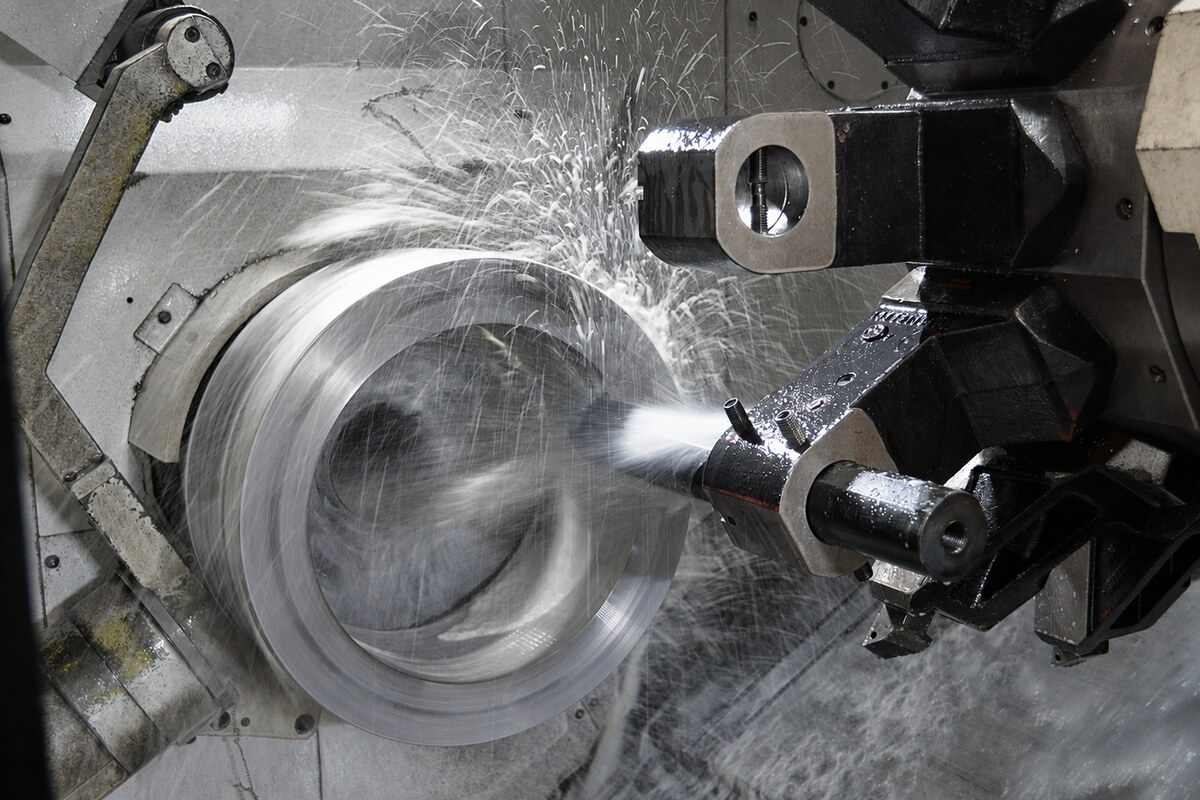
Production Turning for Shafts, Rollers & Fittings: Precision turning supports components up to 26" in diameter and 160" long, with standard tolerances of ±0.0005" for dependable fit, alignment, and performance.

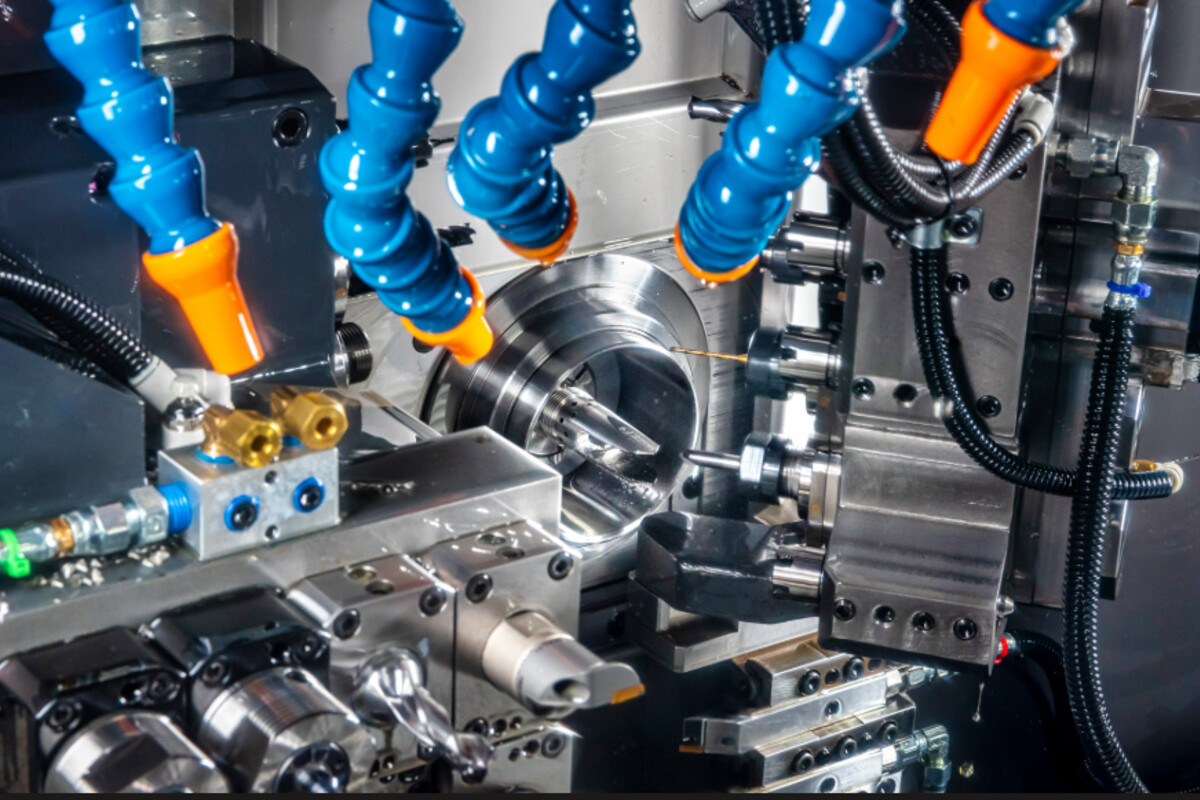
Swiss Machining for Small, Feature-Dense Components: Swiss turning produces small fittings, bushings, pins, and other complex components with tolerances of ±0.0005" and finer when part geometry and material permit.

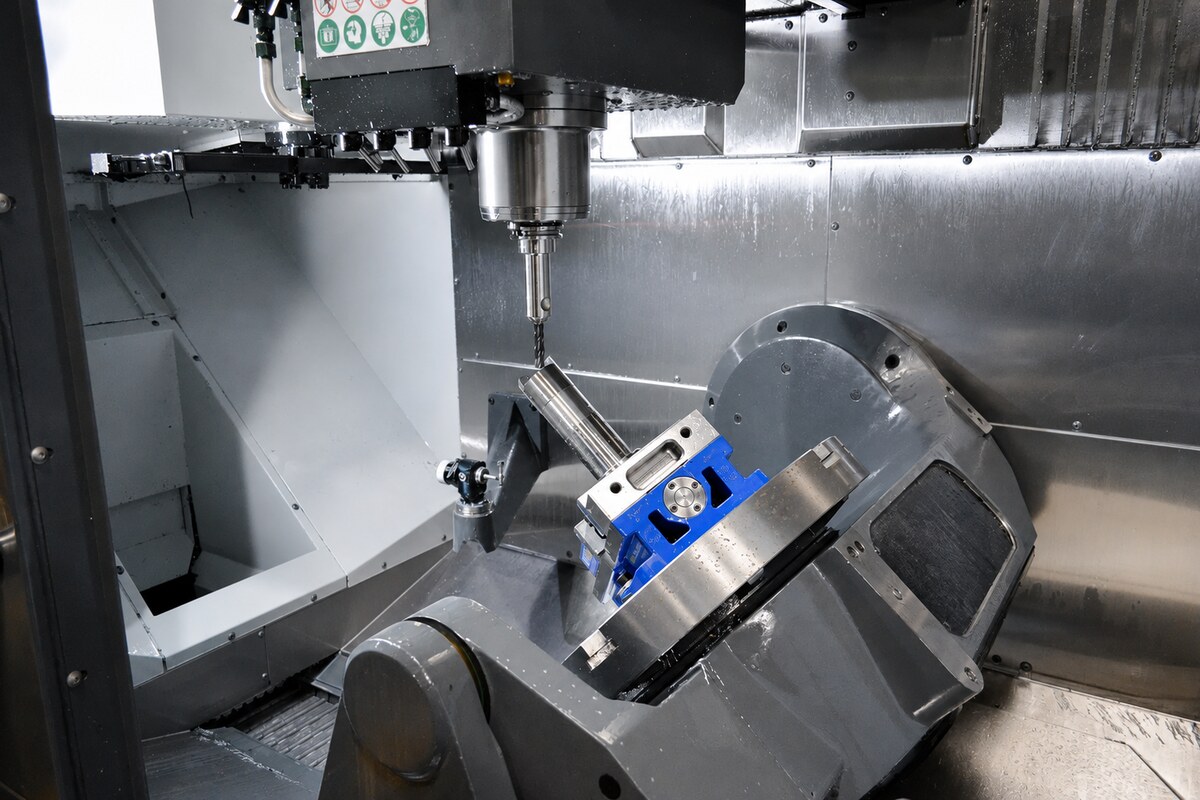
CNC Milling for Plates, Housings & Changeover Parts: Vertical and long-part milling produces equipment housings, guide rails, brackets, plates, and changeover components up to 120" × 20", with standard tolerances of ±0.001".

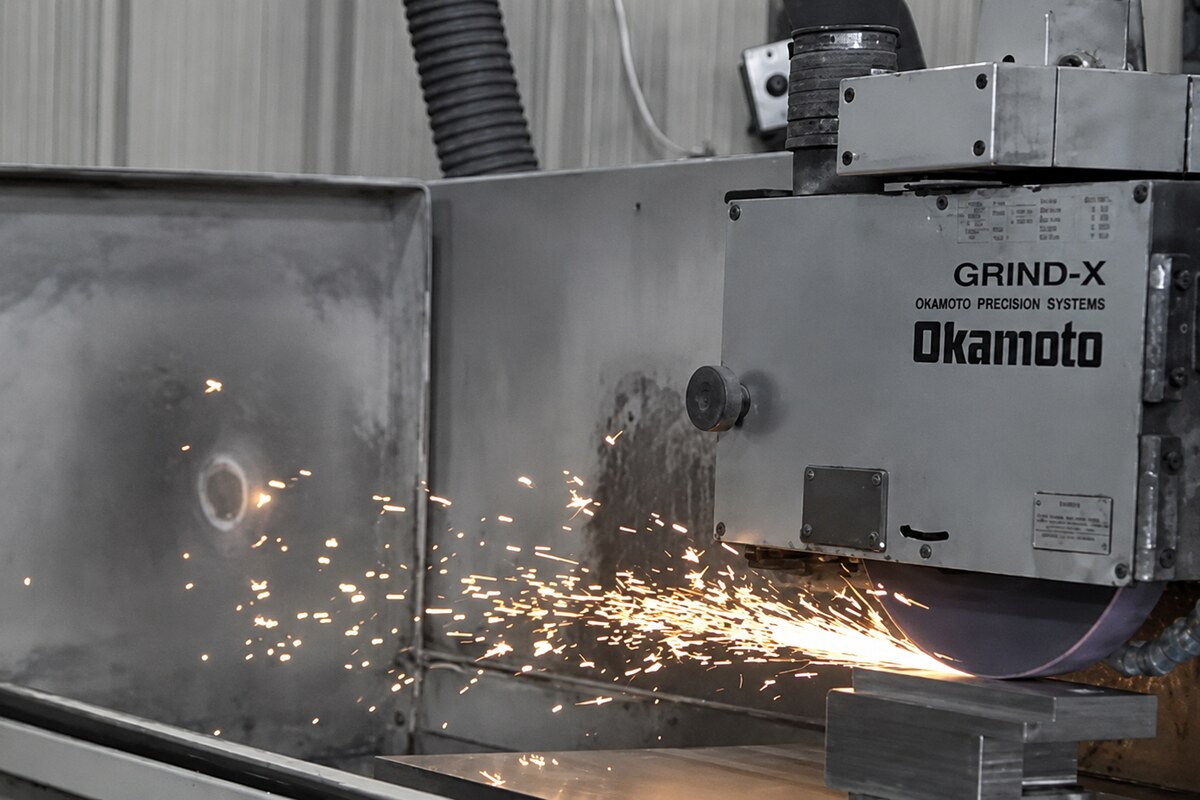
Precision Grinding for Critical Sizes & Finishes: Surface, OD, and Blanchard grinding bring hardened and wear-critical components to final dimensions while delivering surface finishes down to 8 Ra.

CNC Machining for Food & Beverage Equipment 

Turning covers fittings, augers, shafts, and rollers in 304 and 316 stainless, where the sealing surface matters as much as the diameter. Swiss machining handles the small feature-dense fittings that a standard lathe fights. Milling produces changeover parts, product guides, mounting plates, and housings.  

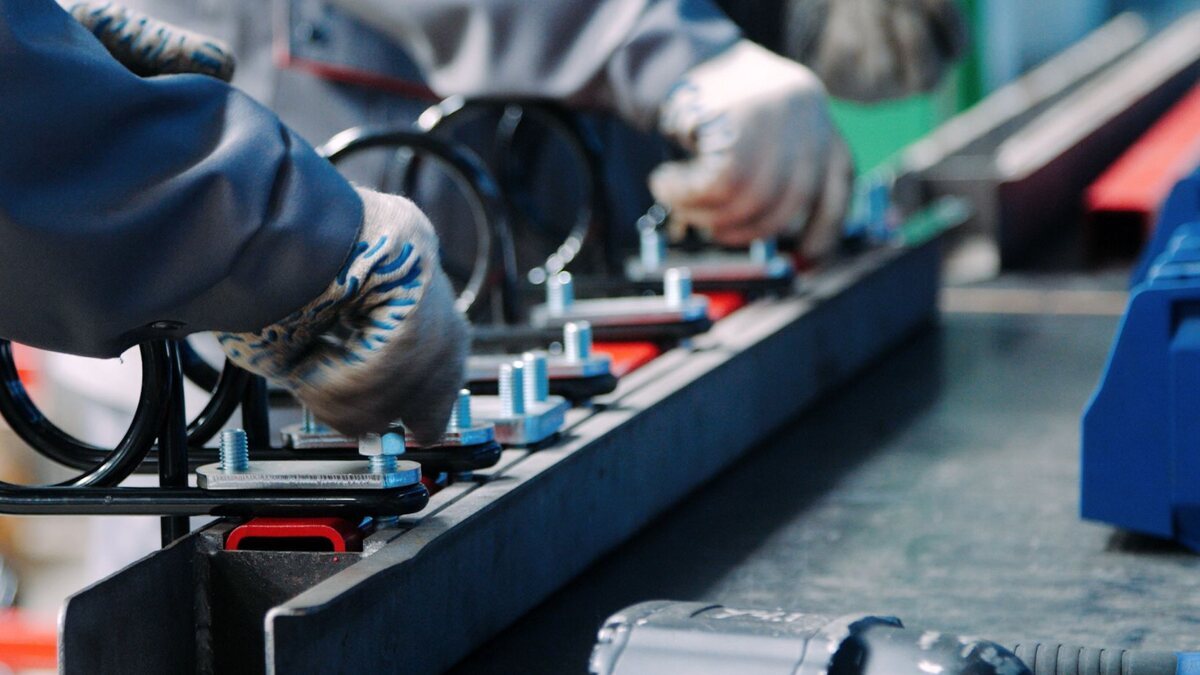
Precision grinding and polishing deliver the finishes that product contact demands. Reverse engineering with 3D scanning covers the parts whose OEM is long gone, which in this industry is a surprising share of them. And in-house assembly means we can hand back a complete replacement rather than a box of pieces for your maintenance team to figure out.  

food-beverage-equipment-machining

Food & Beverage Components We Machine

Representative of the work this industry brings us, in planned builds and in emergencies.

Component Process Material Critical feature
Changeover component, legacy Mill 316 stainless Reverse-engineered fit from a worn sample
Filling machine fitting Turn 304 stainless Sealing surface finish
Product guide set Mill UHMW-PE Contact edge finish, snap fit
Conveyor shaft Turn 316 stainless Journal ±0.0005", corrosion service
Wear bushing Turn Delrin / acetal Press-fit OD, dimensional stability
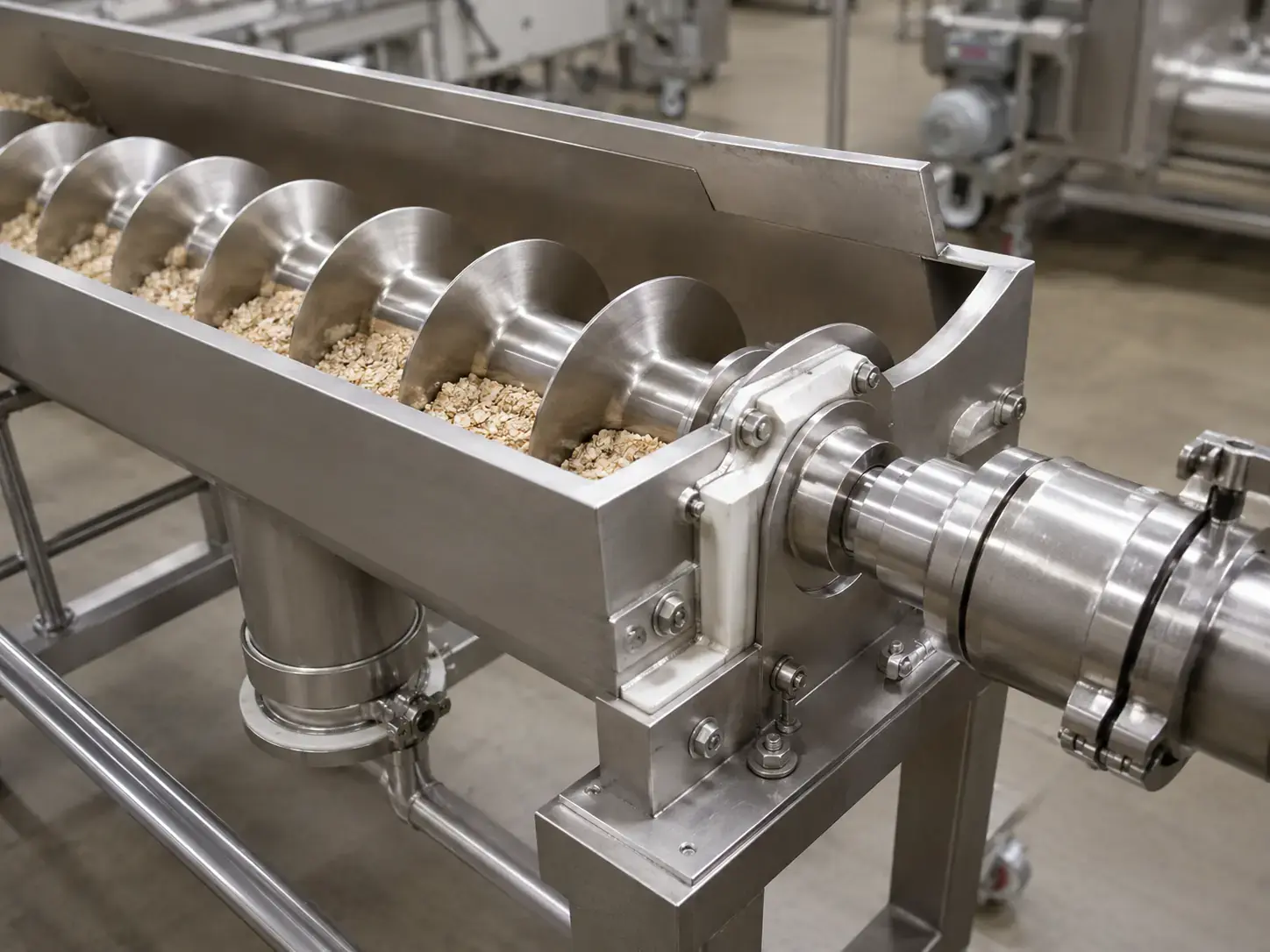
Auger flight shaft Turn, mill 304 stainless Straightness and surface finish

Down Line or Next Build, Send Us the Part

A drawing, a 3D model, or the worn original in a box. Any of the three is enough to start, and we will tell you honestly how fast it can be back on the machine. Quotes come back within 48 hours. 

Frequently asked questions

What food and beverage equipment parts does Steelcrest Precision machine?

Components for processing, filling, and packaging equipment, including fittings, augers, shafts, rollers, changeover parts, product guides, and wear components in stainless steel and engineering plastics. 

Does Steelcrest machine stainless steel for washdown environments?

Yes. Stainless steels including 303, 304, 316, 410, 440C, 17-4 PH, and 15-5 PH are a core capability, and 304 and 316 are the grades most often specified for corrosion-resistant food and beverage service. 

Can Steelcrest machine plastic components for food and beverage equipment?

Yes. Engineering plastics including Delrin, UHMW-PE, HDPE, PTFE, and PEEK, machined with setups that control deformation so thin walls and press fits hold their dimensions. 

How fast can Steelcrest turn around a part for down equipment?

In-house material inventory and saw cutting let expedited parts start production without waiting on a mill order. Send the drawing or the worn part and Steelcrest will give you a specific commitment rather than a general one. 

Can Steelcrest replace a part when no drawing exists?

Yes. Reverse engineering with FaroArm 3D scanning recreates components from worn samples when the original drawing is unavailable or the equipment manufacturer is no longer in business. 

What surface finishes can Steelcrest achieve on food contact components?

Precision grinding achieves finishes down to 8 Ra, with polishing available where product contact or cleanability requires it. Achievable finish depends on material, geometry, and the feature being finished. 

How fast does Steelcrest respond to a quote request?

Quotes come back within 48 hours. Send a drawing or 3D model, material specification, tolerances, quantities, and your requested delivery date, along with any inspection or documentation requirements.