

Skip to content

Agricultural & Construction

Frame plates, weldments, shafts, pins, and gearbox components machined at the scale heavy equipment actually runs at, from one emergency replacement to scheduled production releases.

Ag and construction equipment manufacturers need a shop that can handle components most job shops physically cannot: big plates, long weldments, heavy shafts, parts you plan a crane lift around. Capacity is the first filter, and it eliminates most of the supply base before tolerance ever comes up.

 It also needs a shop that works the way this industry buys. Demand is seasonal. Fleets stay in service for decades. Drawings are often older than the engineer holding them. Steelcrest Precision machines structural and precision components for equipment OEMs and their suppliers out of Wauseon, Ohio, in quantities from a single replacement through recurring releases. 

ChatGPT Image Aug 26, 2026, 12_04_43 PM

What Is Ag & Construction Equipment CNC Machining?

Agricultural and construction products CNC machining is the production of precision components and tooling used by manufacturers of siding, roofing shingles, flooring, doors, windows, and other building materials. Common parts include forming rollers, shafts, pins, bushings, dies, product guides, wear components, mounting plates, fixtures, and replacement tooling used in forming, cutting, conveying, and assembly equipment.

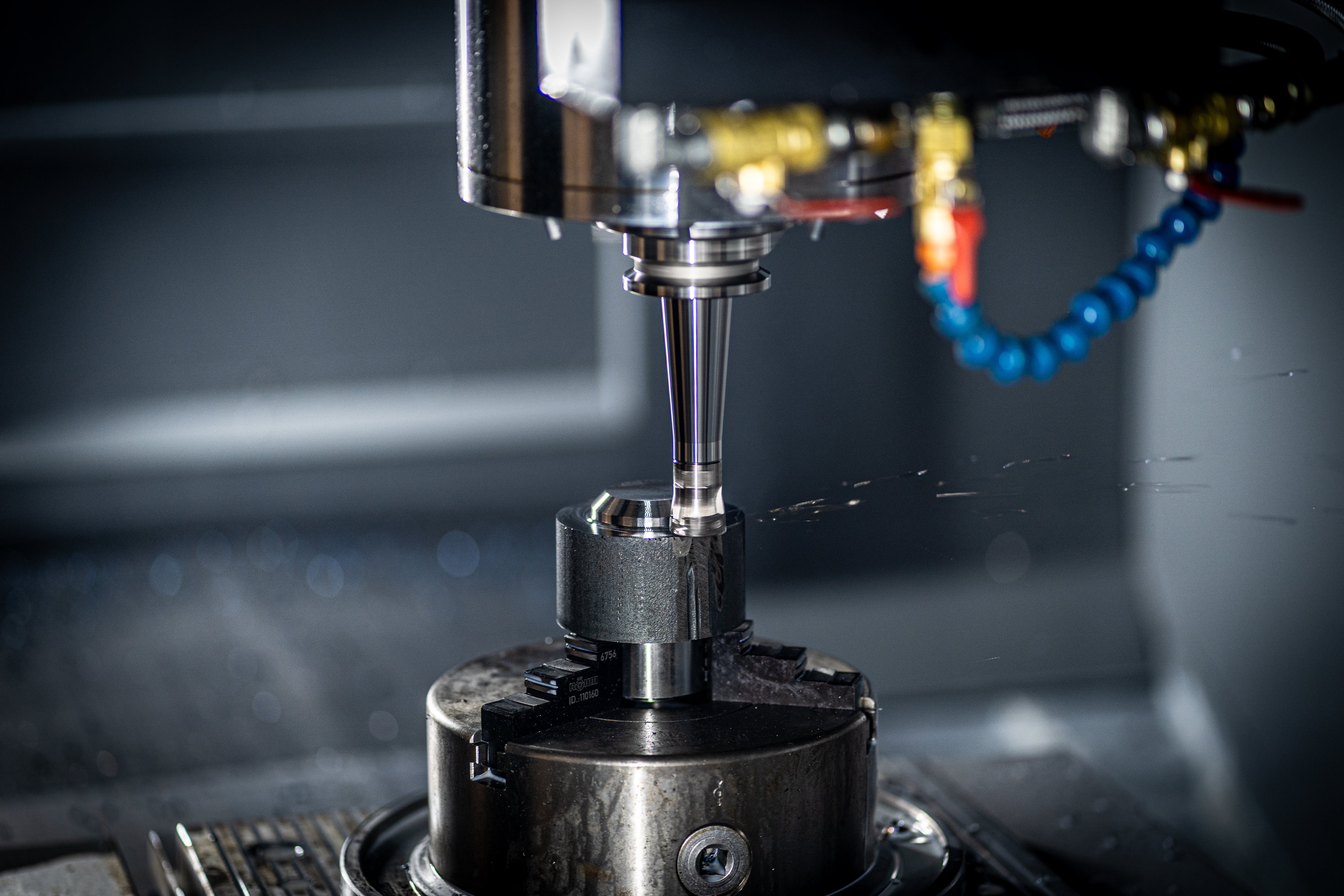
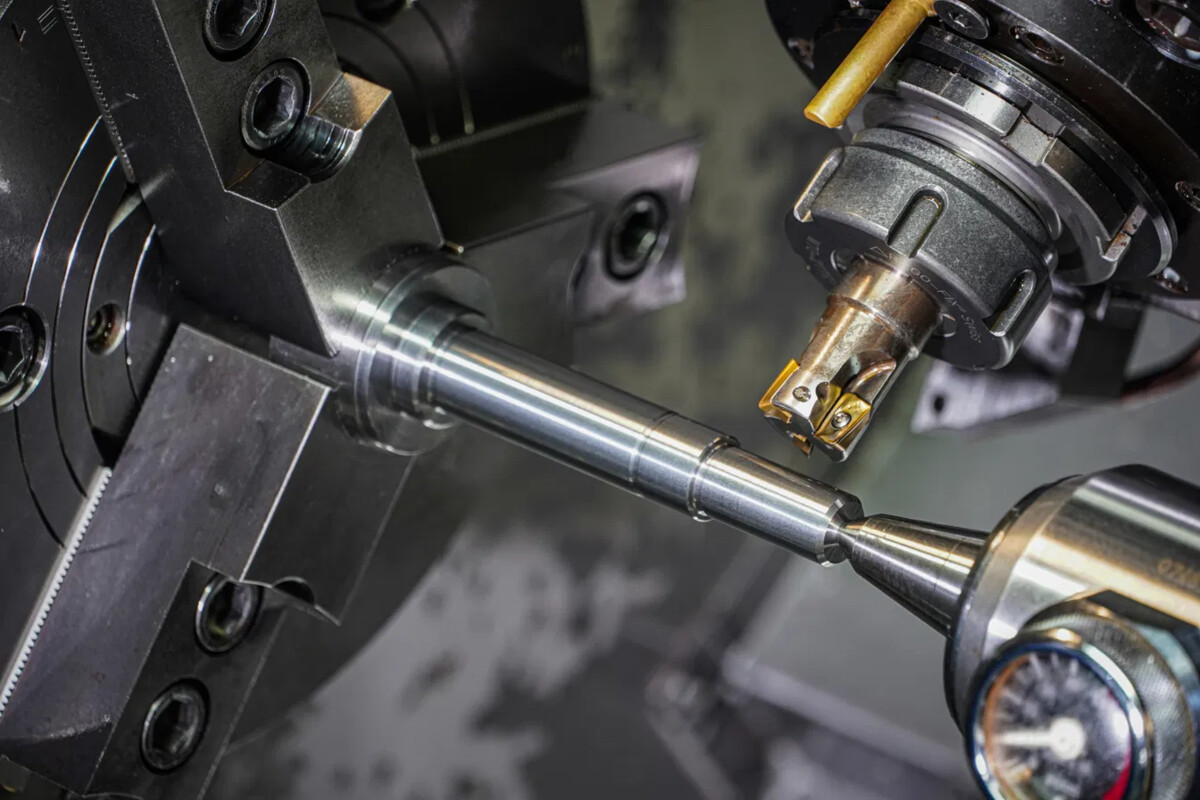
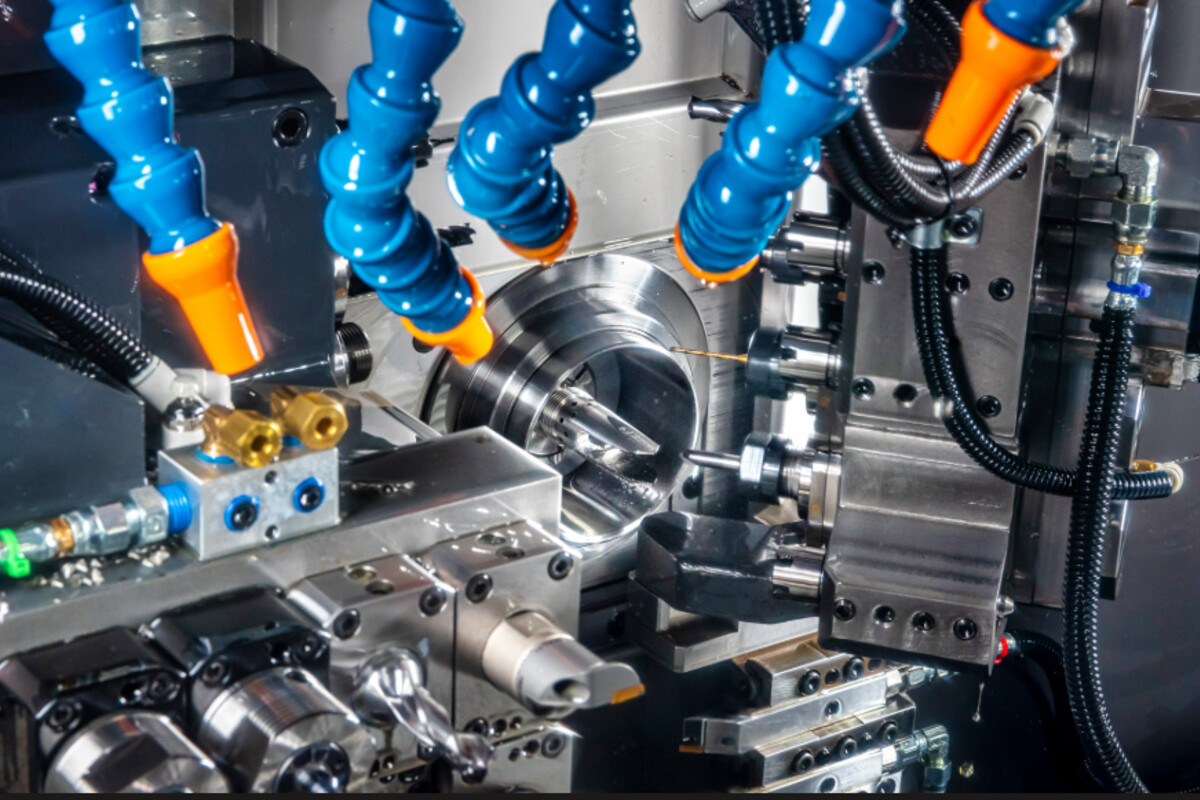
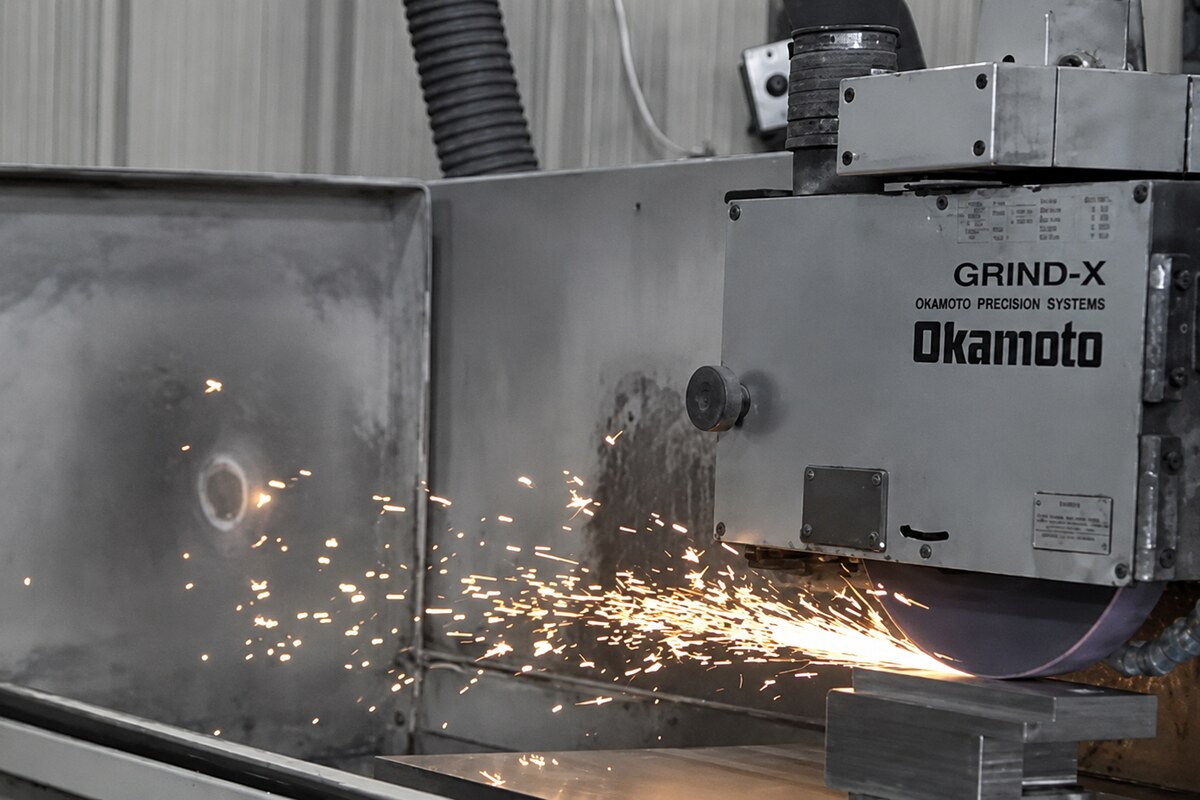
CNC turning produces rollers, shafts, pins, and bushings, while CNC milling creates housings, plates, guides, and fixtures. Precision grinding and EDM finish hardened tooling, critical wear surfaces, and detailed profiles. Steelcrest Precision combines these capabilities with reverse engineering and in-house inspection to help manufacturers replace worn or obsolete components, reduce equipment downtime, and maintain consistent product quality across long production runs.


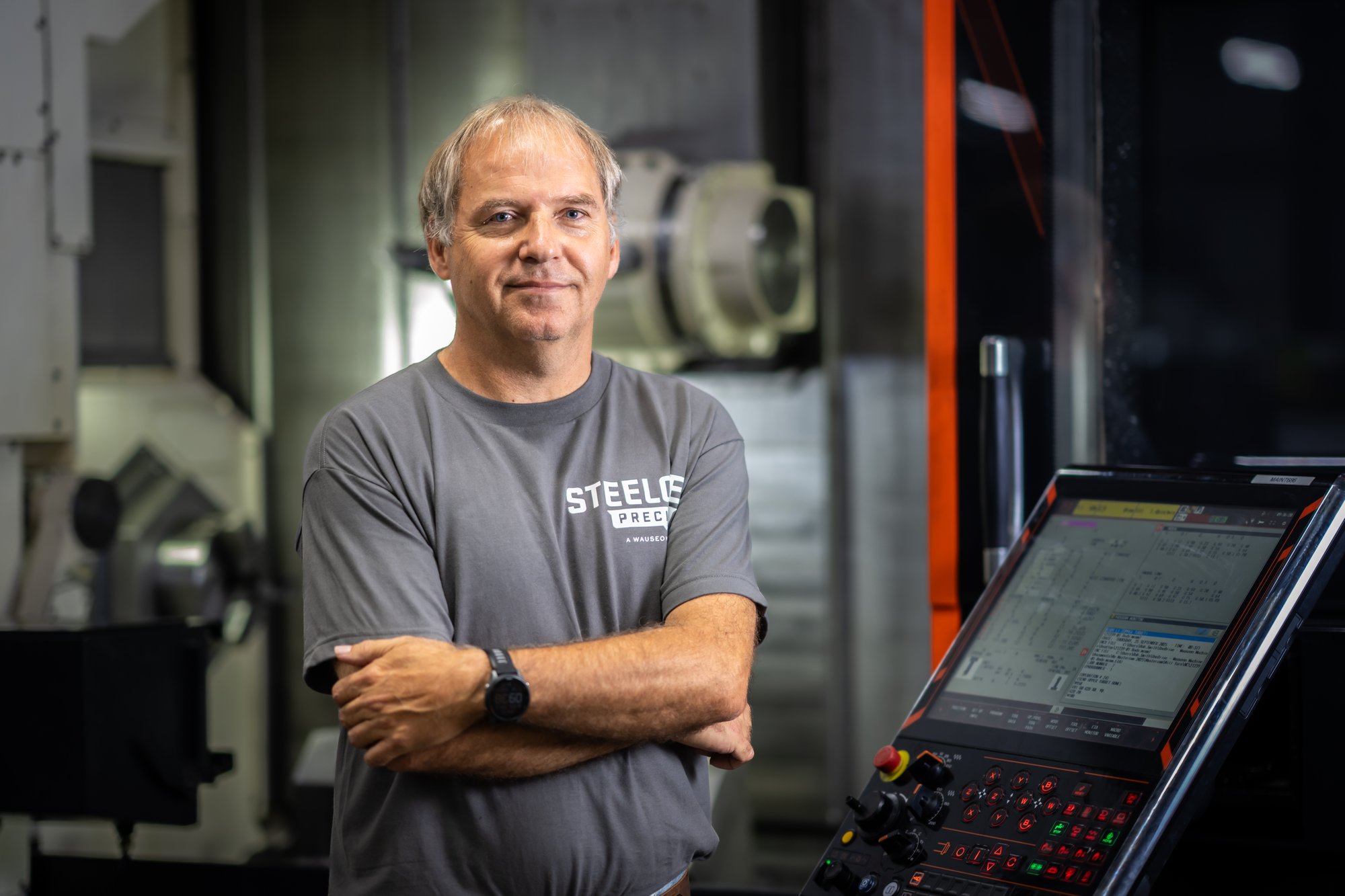
The People Behind the Parts

Our machinists and engineers support the equipment and tooling used to manufacture siding, roofing shingles, flooring, doors, windows, and other building products. Whether a component requires CNC turning and Swiss machining, large-format or multi-axis milling, or precision grinding and EDM, Steelcrest produces rollers, shafts, dies, guides, wear components, fixtures, and replacement tooling machined to print and verified before shipment.

Our toolmaking heritage brings production machining and practical problem-solving together under one roof. We work directly with engineering and maintenance teams from drawing review through the finished component, planning the material, workholding, machining sequence, and inspection approach around the application. When a worn or obsolete part threatens production, our reverse engineering capabilities help recreate its critical geometry and return a dependable replacement, backed by four decades of experience and more than 100 CNC machines.

Steelcrest Precision_2025-19

 Precision Behind Every Building Product. 

Materials We Machine for Ag & Construction Equipment

Heavy equipment components live outdoors, under load, for decades, and the material decides how long. Steelcrest Precision machines the structural steels, alloy steels, and abrasion-resistant plate that frames, booms, pins, and gearbox components call for, at the sizes this industry actually needs. Select a material to see the grades we run and where they are used.

carbon & alloy steels

Carbon & Alloy Steels

Structural and load-bearing components, from plate and bar through heavy shafts. Supplied annealed where the part gets heat treated after machining, or pre-hardened where the finished hardness comes from the mill.
Grade Typical Application  
1018 Bushings, spacers, general machined hardware
1045 Shafts, pins, and rollers
4130 Tubular and welded structural components
4140 Pivot pins, heavy shafts, pre-hardened plate details
4340 High-load pins and drive shafts
8620 Case-hardened gears and splined components
9310 High-strength transmission and gear components
wear resistant steels

Wear-Resistant Steels

Abrasion-resistant plate for the surfaces that take the most punishment. Machined and ground flat after cutting, because AR plate rarely arrives flat enough to bolt straight on.
Grade Typical Application  
AR400 Wear plates, liners, ground engaging components
AR500 Severe abrasion surfaces and high-impact liners
stainless steel

Stainless Steels

Corrosion resistance for components exposed to fertilizer, road salt, and washdown, plus hydraulic and fluid-handling details.
Grade Typical Application  
304 General corrosion-resistant hardware and fittings
316 Chemical and fertilizer exposure components
410 Hardenable stainless for wear and valve components
aluminum

Aluminum

Weight reduction on cab, guard, and enclosure components, and fast cutting on lower-volume brackets where setup time drives the cost.
Grade Typical Application  
6061 Brackets, enclosures, mounting plates
6063 Extruded rail and trim components
high-performance plastics

Engineering Plastics

Bushings, guides, and wear pads that run without lubrication and routinely outlast the metal components they replaced.
Grade Typical Application  
UHMW-PE Wear pads, slides, boom guides
Nylon 6 and 6/6 Bushings, rollers, sheaves
HDPE Guards, liners, low-load wear components

Equipment Machining Capacity and Tolerances

Building-products manufacturing requires more than enough machine travel to fit the part. It requires workholding that controls long or heavy components, processes that preserve critical feature relationships, and tooling built to perform across demanding production runs. Every project at Steelcrest begins with a review of the print, material, geometry, tolerances, and production requirements so the right machining and inspection plan is established before metal moves. 

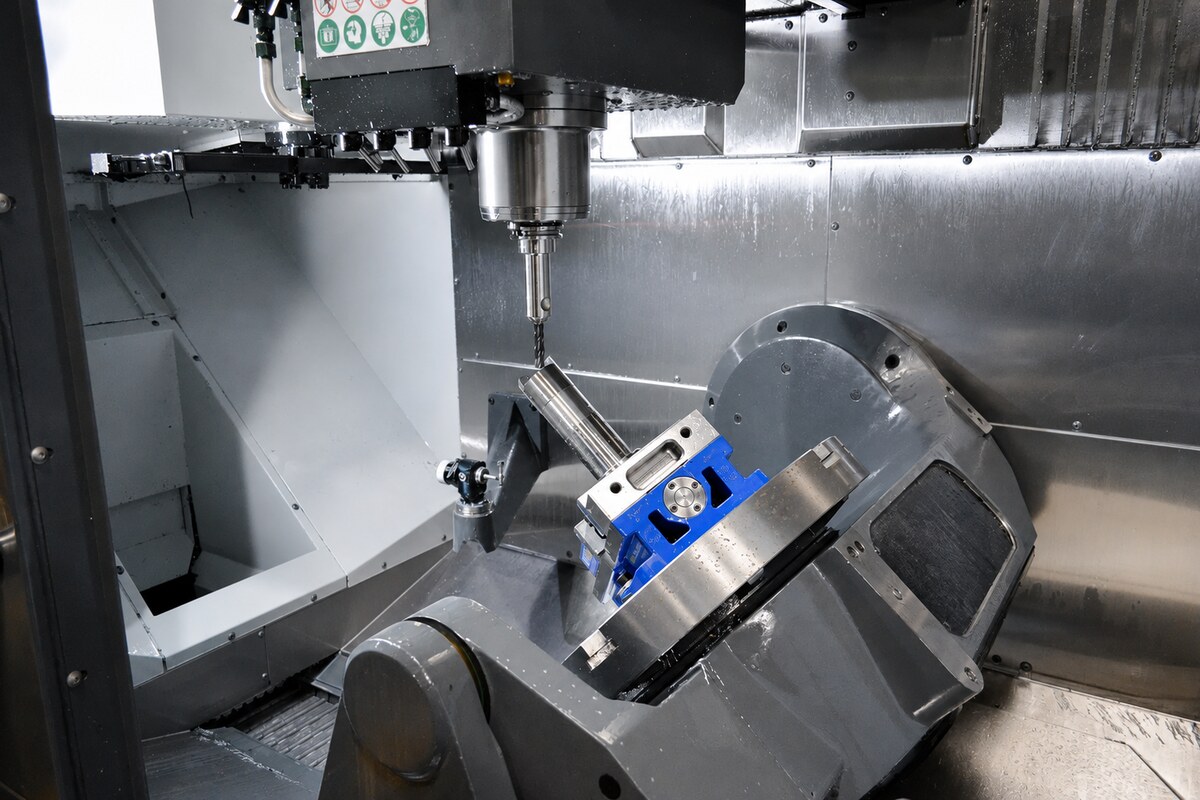
Large-Format & Long-Part CNC Milling: Large-format milling accommodates plates, fixtures, and tooling up to 80" × 50", while long-part milling supports rails, guides, and structural components up to 120" × 20", with standard tolerances of ±0.001".

Horizontal Machining for Multi-Sided Components: Horizontal machining centers handle parts up to 64" × 50" × 32", completing multiple faces with fewer setups while maintaining standard tolerances of ±0.001".

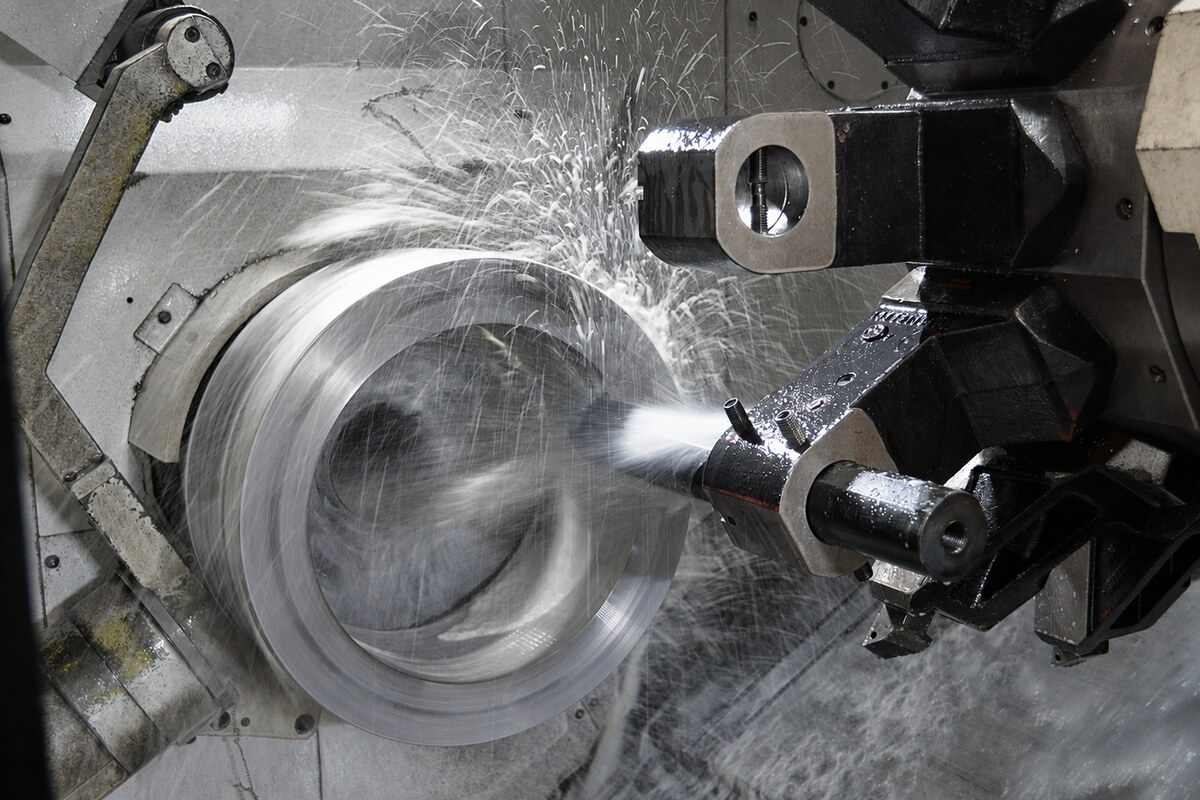
Precision Turning for Rollers, Shafts & Bushings: CNC turning supports components up to 26" in diameter and 160" long, with standard tolerances of ±0.0005" for rollers, shafts, pins, bushings, and other rotating components.

Grinding & In-House Material Preparation: Blanchard grinding supports plates up to 15" in diameter and helps establish consistent sizing and flatness. In-house saw cutting reduces outside processing and allows material to move into machining sooner.

CNC Machining for Ag & Construction Equipment

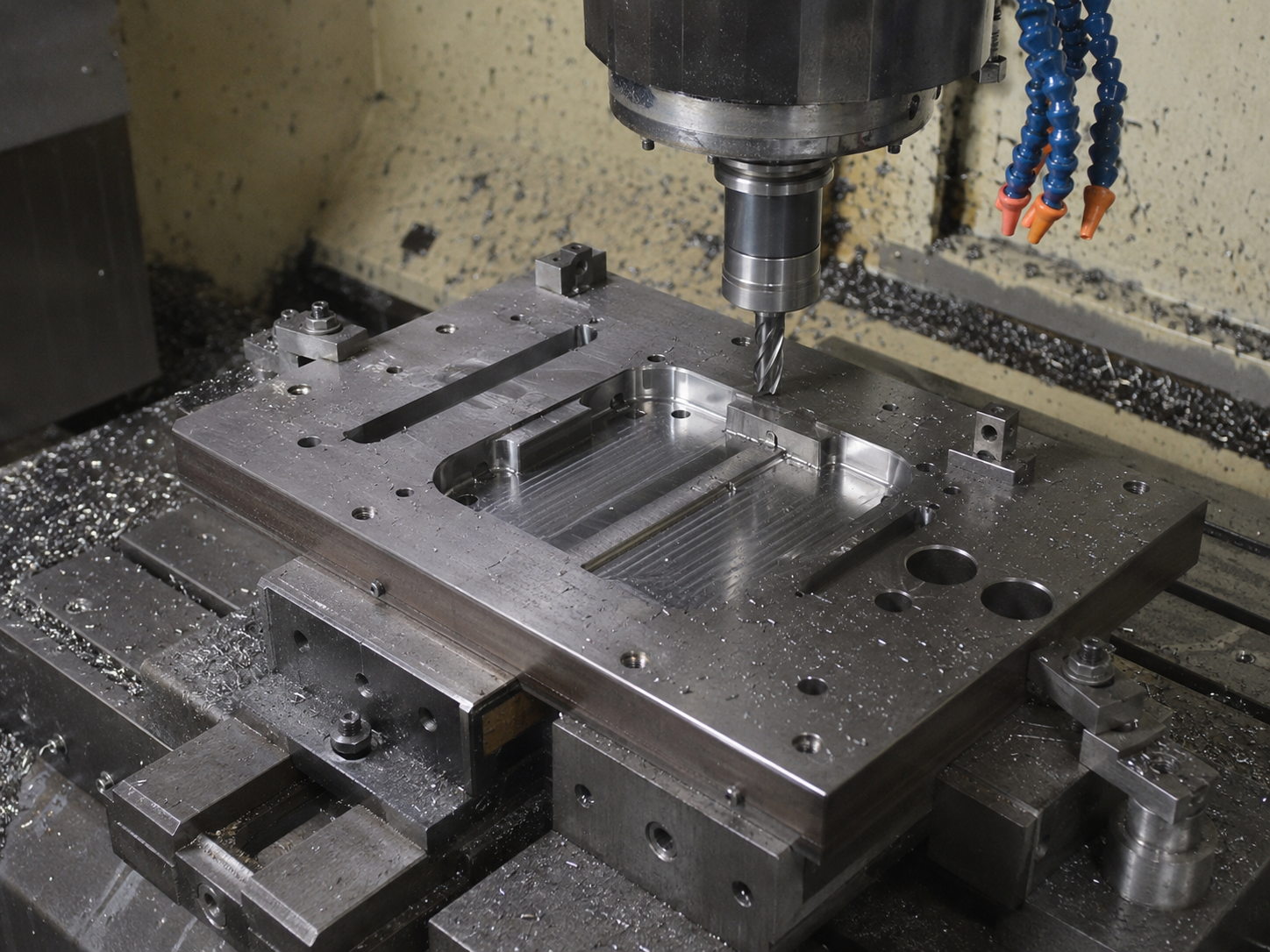
Large-format vertical and bridge milling handles frame plates and structural components in one setup instead of three. Horizontal machining centers take multi-sided parts with the feature relationships intact. Heavy turning covers shafts, pins, and rollers out to 26 inches in diameter and 160 inches long.

Weldment machining is a core part of this work. Welding runs through qualified partner shops, and the post-weld machining happens here, restoring flatness and bore alignment after the heat has done what heat does. Blanchard grinding brings plates back flat. Reverse engineering, including 3D scanning, turns a worn sample into a print and a print back into a part.

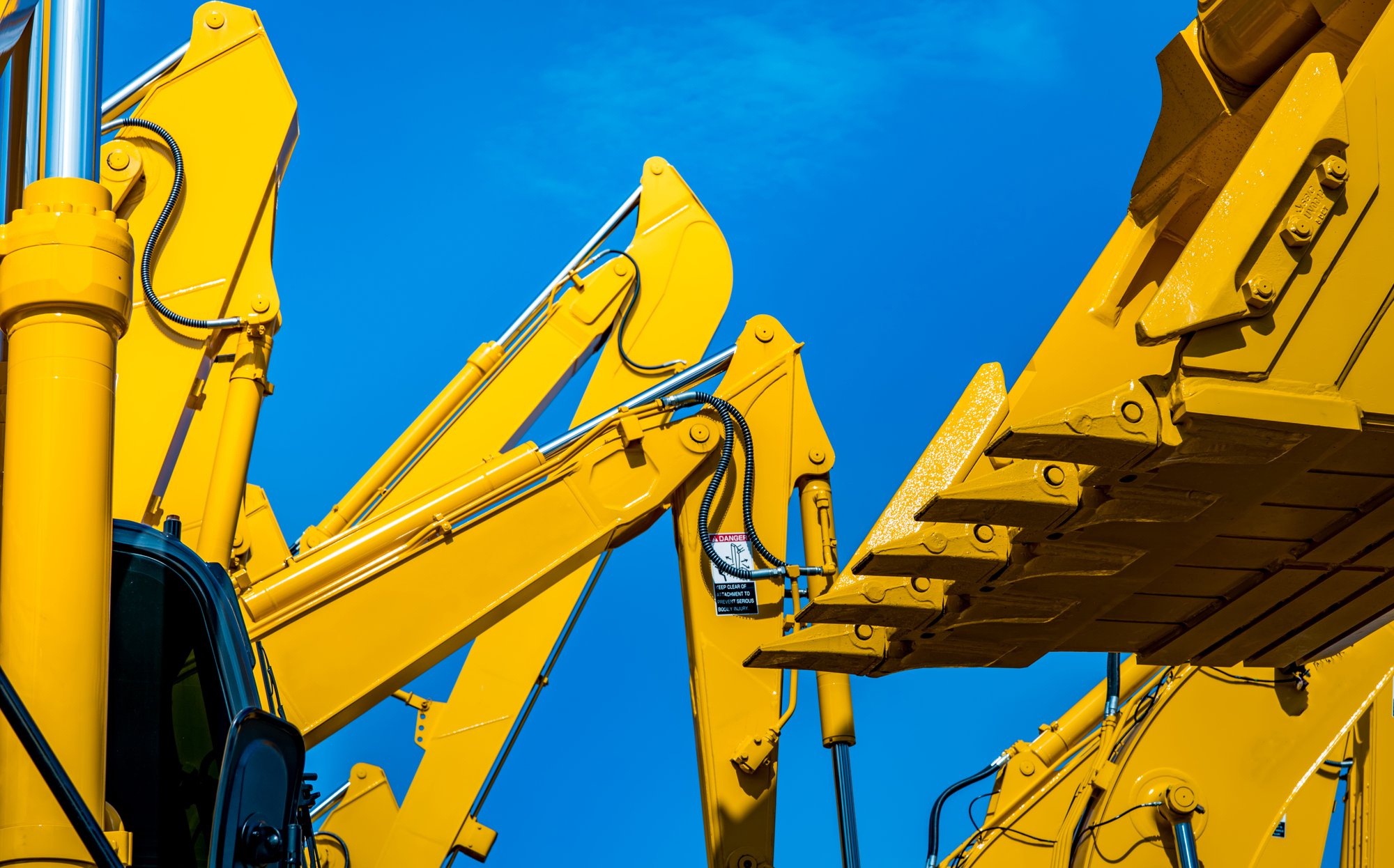
bright-yellow-heavy-equipment-construction-against-2026-01-07-06-47-30-utc

Equipment Components We Machine

Representative of the work this industry brings us, in single pieces, repair quantities, and recurring production.

Component Process Material Critical feature
Large frame plate Bridge mill A36 / 4140 Flatness across a 60 inch span
Pivot pin, heavy service Turn, grind 4340 OD ±0.0005", wear surface finish
Machined weldment, boom section Partner weld, then mill Structural steel Bore alignment across the assembly
Gearbox housing, legacy Mill, bore Cast iron Bore position taken from a scanned sample
Bushing set, volume Turn, bar-fed 1045 ID to OD concentricity, run to run
Wear plate Mill, Blanchard grind AR400 / AR500 Thickness and flatness after grinding

Send a Drawing, or Just the Worn-Out Part

Either one is enough to start. We will tell you what it takes to make it, what it costs, and when you can have it. Quotes come back within 48 hours, with no obligation. 

Frequently asked questions

What ag and construction equipment parts does Steelcrest Precision machine?

Frame plates, brackets, boom components, machined weldments, pins, bushings, shafts, wear plates, and gearbox components, in single pieces, repair quantities, or recurring production releases. 

How large a component can Steelcrest machine?

Milling to 80 by 50 inches on a Johnford bridge mill and to 120 by 20 inches for long parts on a Haas VF-10, turning to 26 inches in diameter and 160 inches long, and horizontal machining to 64 by 50 by 32 inches.

Can Steelcrest recreate a part from an old drawing or a worn sample?

Yes. Steelcrest works from legacy prints regularly and offers reverse engineering with FaroArm 3D scanning to recreate components when the drawing or CAD model no longer exists.

Does Steelcrest machine weldments?

Yes. Welding is performed by qualified partner shops, and Steelcrest machines the finished weldments in-house to restore flatness, bore alignment, and critical dimensions after welding. 

Does Steelcrest handle low-volume and single-piece equipment orders?

Yes. Single-piece replacements, repair quantities, and seasonal low-volume work run alongside scheduled production releases, which is the mix this industry actually buys. 

What materials does Steelcrest Precision machine?

Carbon and alloy steels, stainless steels, tool steels, aluminum, copper, brass and bronze, and engineering plastics. Common equipment grades include 1018, 1045, 4140, 4340, AR400, and AR500. 

How fast does Steelcrest respond to a quote request?

Quotes come back within 48 hours. Send a drawing or 3D model, material specification, tolerances, quantities, and your requested delivery date, along with any inspection or documentation requirements.