Skip to content

Wear-Resistant Steel Machining & Fabrication

WEAR-RESISTANT STEEL MACHINING & FABRICATION 

AR400 and AR500 Fabrication That Preserves the Hardness 

Abrasion-resistant plate is bought for one property and ruined by two mistakes. The property is through-hardness AR400 and AR500 are quenched and tempered to resist wear all the way through, not just at the surface. The mistakes are annealing it to make it easier to machine, which destroys the property you paid for, and thermal cutting, which leaves a hardened, cracked edge that then destroys every drill that touches it. 

Steelcrest fabricates AR400 and AR500 wear components in Wauseon, Ohio precision cutting, forming, weldment assembly, hole patterns and machined features with the hardness preserved rather than annealed away. This is fabrication and assembly work supported by machining, not the other way around. 

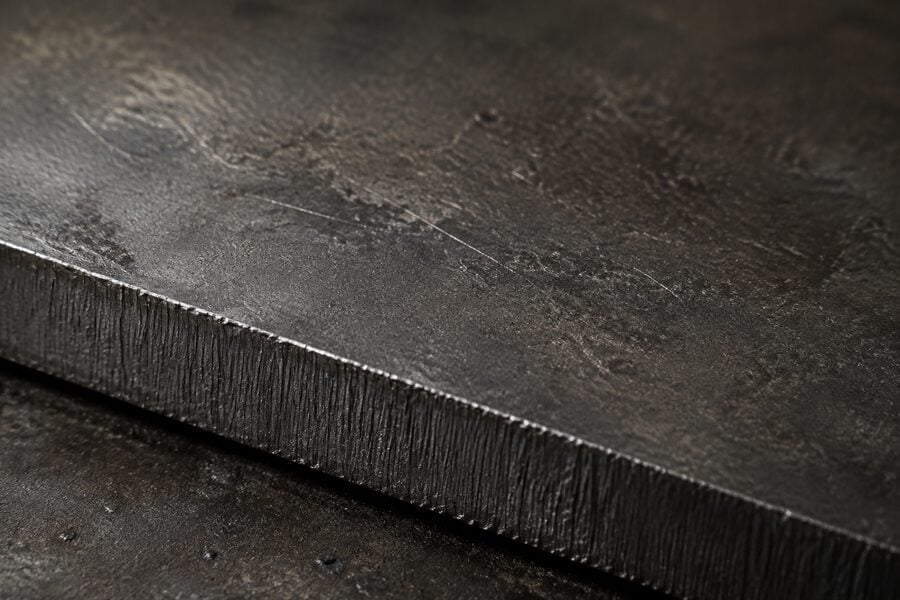
Close-up of wear-resistant steel plate surface and edge

Grades and What They Mean 

Designation Typical hardness Typical use
AR400 Approximately 360–440 HB, mill dependent Wear liners, chutes, hoppers, buckets, screen plate and conveyor components where formability still matters.
AR500 Approximately 460–544 HB, mill dependent Higher-abrasion service crusher and aggregate liners, wear bars, high-impact wear faces.


NOTE*:
AR400 and AR500 are trade hardness designations, not standards. Actual hardness varies by mill, and published figures for branded plate differ from generic usage. We work from the mill certificate on every job, and so should your drawing.

Tolerances We Hold on AR400 and AR500 

Being straightforward about this matters more than quoting an impressive number. AR plate is a wear product, not a precision product, and the plate itself is not flat or dimensionally stable enough to justify precision machining tolerances across a profile. 

Operation Realistic tolerance Notes
Cut profiles and hole positions ±0.010" to ±0.030" Governed by cutting method and plate flatness
Machined features drilled, tapped, faced ±0.001" to ±0.005" Where the feature is machined rather than cut
Weldment assembly dimensions Per drawing, quoted case by case Distortion control planned into the fixturing


NOTE*:  
If your drawing calls for ±0.0005" on an AR500 profile, something is wrong with the drawing rather than with the supplier. Tell us what the feature has to do and we will tell you what is achievable and what it costs.

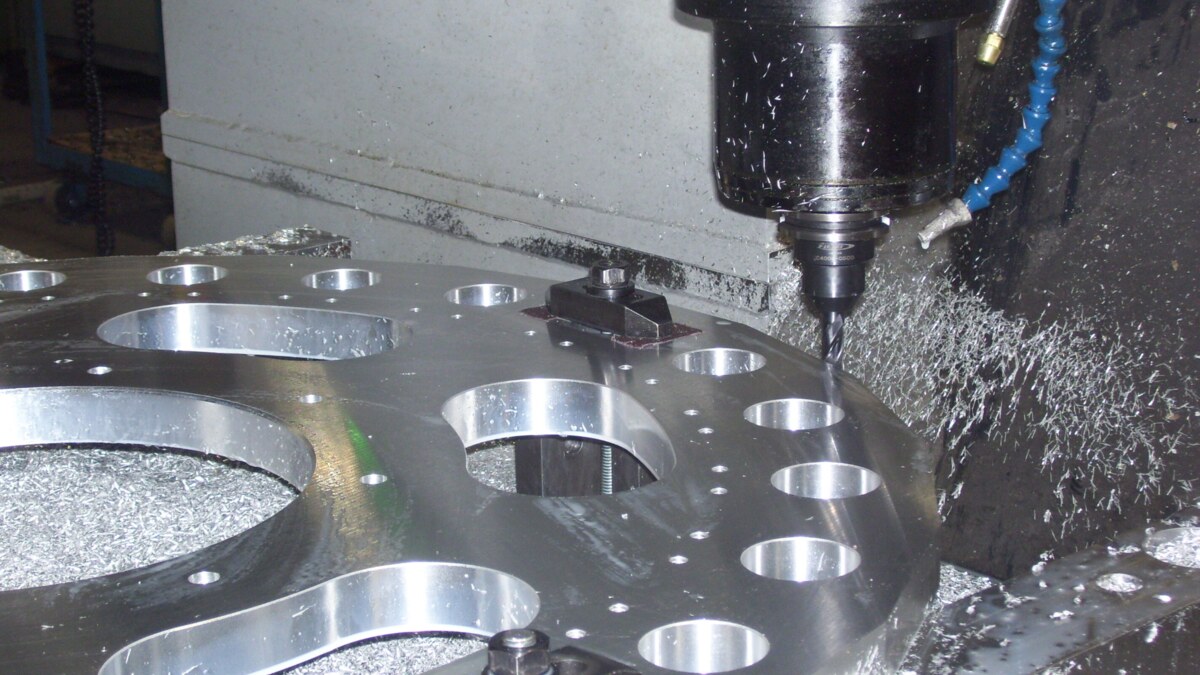
Large-format CNC milling of wear-resistant steel component

What We Do With It

Precision cutting and profiling of plate to your drawing, including hole patterns and cutouts. Forming and bending within the plate's limits. Weldment assembly with controlled preheat and low-hydrogen consumables per the mill's welding guidance. Machined features drilled, tapped, faced and counterbored details where the part needs them. Industrial spray coating and finishing. Component assembly and integration into finished units. 

For long wear bars and large liner panels, our large-format milling capacity to 120" × 20" on the Haas VF-10 and 80" × 50" on the Johnford covers work most fabricators have to split across setups. 

Working With AR Plate

AR400 and AR500 reward suppliers who respect the hardness and punish the ones who don't, and these three rules are the difference. 

Cutting method determines everything downstream

Thermal cutting plasma, laser or oxyfuel leaves a hardened, crack-prone heat-affected zone at the cut edge. Any drill or tap that subsequently touches that edge will fail. Where the part needs holes near a cut edge, we plan the sequence to avoid that: cutting method, hole-making method and their order are decided together at quote, not left to the shop floor. 

Rigidity is everything when you do machine it

AR plate is machinable but slow. Solid carbide is preferred over cobalt HSS, and coated taps are mandatory. Chatter destroys carbide instantly at these hardnesses, so we minimise overhang, support the plate solidly and clamp firmly. Reference drilling data for 400-class plate runs around 165 to 230 surface feet per minute with solid carbide a fraction of what the same tool would run in mild steel. 

Do not anneal it

Annealing AR plate to improve machinability destroys the wear resistance that is the entire reason for specifying it, and any reheat above roughly 400°F begins tempering the hardness back. We do not heat treat AR plate, and any supplier who offers to soften it to make the job easier is offering to sell you mild steel at AR prices. 

There is no AISI machinability rating for AR plate it is a proprietary hardness-specified product rather than an AISI grade. Anyone quoting a percentage is inventing one.

Finishing and Post-Processing

In-house at Steelcrest

  • Precision cutting, forming and weldment fabrication
  • Industrial spray coating
  • Component assembly and assembly integration
  • Laser etching for part identification, deburring, CMM and FARO inspection

Managed through qualified partners

  • Painting and protective coating systems beyond spray coating
  • Hardfacing overlay where wear rates justify it
  • Galvanising

Most AR components ship as fabricated with edges deburred. No heat treatment is applied, deliberately.

Industries We Fabricate AR Plate For 

Steelcrest Precision fabricates and machines AR400 and AR500 wear components for agriculture and construction equipment and for warehousing, material handling, and e-commerce systems, where sliding abrasion decides how long a part lasts. 

Talk To Us About Your Wear Resistant Steel Parts. 

Send the drawing and the quantity. We will come back with a real number, a real lead time, and if there is a better material or condition for what the part has to do we will tell you that too.

Frequently Asked Questions

What is the difference between AR400 and AR500?

Hardness, and therefore the trade between wear life and formability. AR400 runs roughly 360–440 HB and still forms reasonably; AR500 runs roughly 460–544 HB for higher-abrasion service but is less forgiving to work. Both are trade designations rather than standards, so actual hardness varies by mill and we work from the mill certificate. 

Can you drill and tap AR500?

Yes, with solid carbide tooling, coated taps, rigid clamping and minimal overhang. It is slow work but routine. The thing to plan around is hole location relative to cut edges see our note on cutting method above. 

Can you soften the plate to make machining easier?

We will not, and you should not want us to. Annealing destroys the through-hardness that is the entire reason for specifying AR plate. Any reheat above around 400°F starts tempering the hardness back. 

Do you weld AR plate?

Yes, with controlled preheat and low-hydrogen consumables per the mill's welding guidance. Weldment assembly and integration into finished units is a core part of what we do with this material. 

What is the largest AR component you can fabricate?

Large format milling to 120" × 20" and 80" × 50" covers long wear bars and large liner panels. For fabricated assemblies, tell us the envelope and we will confirm.