Skip to content

Copper, Brass & Bronze Machining Services

COPPER, BRASS & BRONZE MACHINING SERVICES 

CNC Machining for the Full Copper Alloy Family 

Copper alloys cover the widest machinability range of any family we run. C360 free-cutting brass is the fastest-machining metal in the shop chips break into dust and the material is the benchmark against which every other copper alloy is rated. C110 copper is at the other end: gummy, burr-prone, and often more work to deburr than to cut. Same family, entirely different jobs. 

Steelcrest runs copper, brass and bronze across 28 CNC lathes, four Swiss lathes with 12-foot bar capacity, dual-spindle and live-tool turning platforms, and a full milling department. Turning holds ±0.0005" as standard and ±0.0002" in precision turning. 

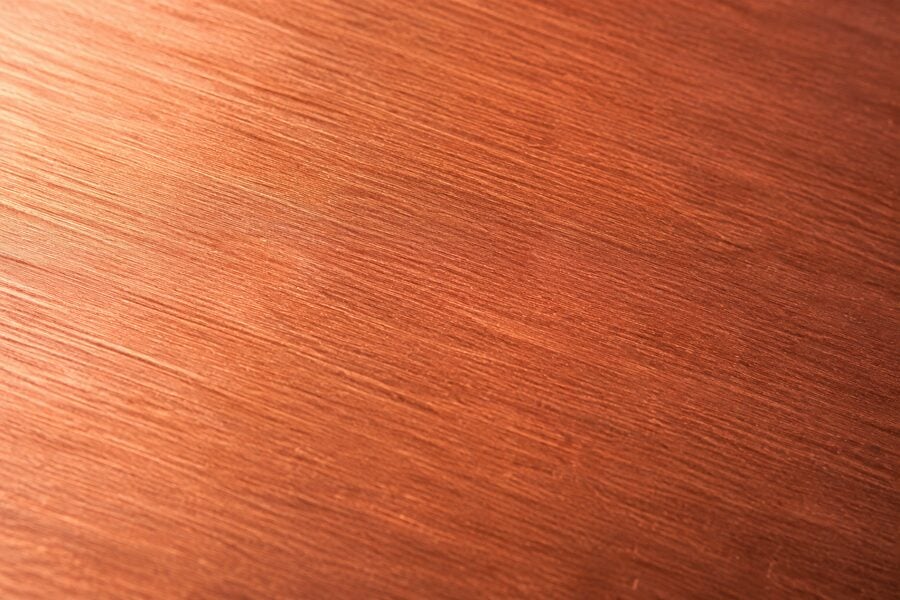
16-copper-texture

Alloys We Run

Alloy Machinability Character Typical use
C110 / C101 copper 20 Extremely gummy and ductile. C101 is the oxygen-free grade. Electrical terminals, bus components, heat exchangers, vacuum and semiconductor parts.
C360 brass 100 — the baseline The easiest metal in the shop. Chips break into dust. Fittings, valve bodies, small turned parts at volume.
C464 naval brass 30 Much tougher than C360; machines more like a bronze. Marine hardware and fittings.
C932 bearing bronze 70 Leaded tin bronze. The standard bushing material. Bushings, sleeves and bearings, honed to size.
C954 aluminum bronze 60 Strong, tough, galling-resistant — but work-hardens and is abrasive. Wear plates, dies, bushings and high-load bearing details.


These figures are on the Copper Development Association scale, where C36000 free-cutting brass is 100. This is a different baseline from the AISI percentages used for steel, and the two are not comparable C360 sits above 300 percent on the steel scale.

Tolerances and Surface Finishes We Hold

Process Tolerance Surface finish
CNC turning, standard ±0.0005" Up to 8 Ra
Precision turning ±0.0002" Up to 8 Ra, polishing available
CNC milling, 3- and 4-axis ±0.001" (excluding true-position callouts) 32 Ra side / 63 Ra face
5-axis milling ±0.001" linear · ±0.002–0.003" rotational · ±0.003" tilted-hole 32 Ra
INTEGREX / Hyper Quadrex mill-turn ±0.0005" 32 Ra
OD, surface and Blanchard grinding ±0.0005" to ±0.0002" Up to 8 Ra
Wire EDM ±0.0005" to ±0.0002" 16–32 Ra, fine to 8 Ra


NOTE*:  
On C110 copper, ±0.0002" precision turning is marginal ductility, smearing and burr formation limit it more than the machine does. Deburring on copper is a real operation with real cost, and we quote it as one rather than absorbing it and discovering it later.

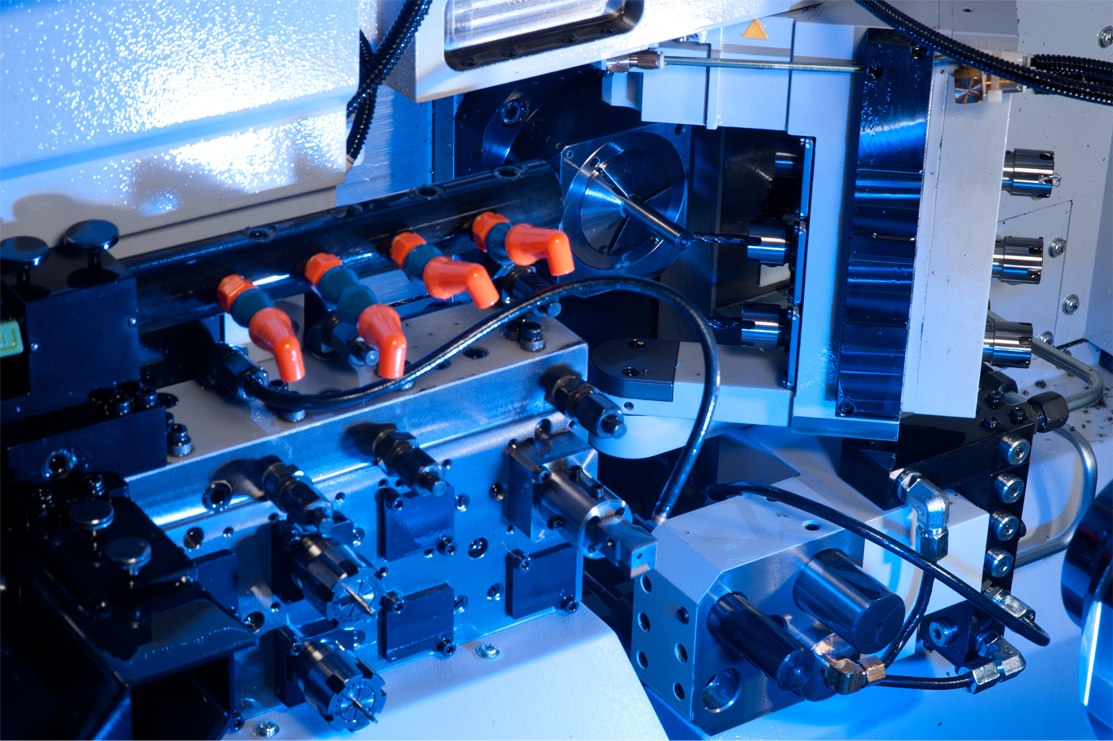
Lathe - Swiss bar fed

Bar-Fed and Swiss Turning: Where This Work Belongs

C360 brass and free-machining copper alloys are what bar-fed turning was designed for, and it is the capability that separates a machine shop from a marketplace on this material. We run four Swiss lathes handling bar up to Ø1.5" with 12-foot bar capacity, two dual-spindle lathes at Ø10" × 8" for two-operation parts complete in one cycle, three live-tool lathes for cross-drilling and milling without a second setup, and three Y-axis lathes with six inches of Y travel for off-centre features. 

For a fitting, valve body or turned detail in C360 at production volume, that combination produces a finished part off the machine turned, cross-drilled, milled, parted and dropped with no secondary operation. That is where the cost comes out of the part. 

Larger work runs on 28 conventional CNC lathes to Ø26" × 160", with 36 vertical machining centers, eight horizontals and five 5-axis verticals for prismatic and wear-plate work, and honing to Ø8" for finished bushing bores. 

What Makes Copper Alloys Different

 Four grades, four completely different personalities in the cut, and knowing which one your part needs is most of the battle.  

Copper is a deburring job with some cutting attached

C110 and C101 are extremely gummy and ductile  long stringy chips, heavy burrs and smearing. Razor-sharp, high-positive-rake polished tools with rake angles between 20 and 40 degrees, light depths of cut and lubricating coolant. The single biggest lever is temper: half-hard H02 copper machines far better than annealed O60 material. Never buy annealed copper for machining, and if your supplier sends it, tell us before we start. 

A regulatory note on C360 brass

C360's machinability comes from its lead content, and that lead content is increasingly restricted  RoHS, drinking-water statutes and NSF/ANSI 61 all push toward substitution. The low-lead replacements such as C69300 and C87850 machine noticeably worse, somewhere in the 60 to 80 range on the copper scale, which changes cycle time and therefore price. If your part is heading into a potable-water or regulated application, raise it at RFQ and we will quote the substitute rather than quoting C360 and surprising you later. 

C954 is the abrasive one

Aluminum bronze is strong, tough and galling-resistant  which is exactly why it is specified for wear plates and dies — but it work-hardens and its aluminium-oxide skin is abrasive. Carbide tooling, rigid setups and positive rake are required, and tool wear rather than machine capability drives dimensional drift within a run. 

Bushings are sized after fitting, not before

C932 bearing bronze bushings are normally sized or burnished after press-fit rather than machined to final bore beforehand, because the press-fit closes the bore. If your drawing calls out a finished bore dimension on a bushing that will be pressed in, tell us the installed requirement instead and we will work to that. 

Finishing and Post-Processing

In-house at Steelcrest

  • Deburring — the dominant secondary operation on copper and soft brass
  • Saw cutting and bar preparation
  • Honing to Ø8" for bushing and bearing bores
  • Laser etching, assembly and integration, CMM and FARO inspection

Managed through qualified partners

  • Nickel, tin, silver and gold plating for electrical components
  • Electropolishing
  • Bright dip, passivation and clear lacquer or chromate to prevent tarnish on brass
  • Thermal, tumble and vibratory deburring for high-volume small parts
  • Quench and temper on C954 where higher hardness is required


Industries We Machine Copper Alloys For 

Steelcrest Precision machines copper, brass, and bronze components for consumer products, food and beverage equipment, automotive, and material handling systems, where conductivity, corrosion resistance, and low friction earn these alloys their place. 

We also machine copper alloys for electrical, plumbing and marine customers who reach us directly. 

Talk To Us About Your Copper, Brass & Bronze Parts. 

Send the drawing and the quantity. We will come back with a real number, a real lead time, and  if there is a better material or condition for what the part has to do — we will tell you that too. 

Frequently Asked Questions

Do you run bar-fed and Swiss machining?

Yes four Swiss lathes handling bar to Ø1.5" with 12-foot bar capacity, plus dual-spindle, live-tool and Y-axis turning platforms. For C360 brass fittings and turned details at volume, that combination produces a complete part off the machine with no secondary operation. 

Can you supply low-lead brass alternatives to C360?

Yes. If the part is going into a potable-water or regulated application, tell us at RFQ and we will quote the appropriate low-lead grade. Be aware that they machine noticeably worse than C360 somewhere in the 60 to 80 range against C360 at 100 — which affects cycle time and price. 

Why is copper more expensive to machine than brass?

C110 copper sits at 20 on the copper scale against C360 brass at 100. It is gummy and ductile, producing long stringy chips, heavy burrs and smearing, and the deburring is frequently more work than the cutting. It is a real cost, and we quote it as a separate operation rather than hiding it.

Should I specify half-hard or annealed copper?

Half-hard, H02 temper. Annealed O60 copper machines significantly worse and there is rarely a good reason to buy it for a machined part. 

Do you machine bronze bushings to a finished bore?

Usually the better approach is to size or burnish after press-fit, since the press-fit closes the bore. Tell us the installed requirement rather than a pre-fit bore dimension and we will work to that. 

Do you offer plating on copper and brass parts?

Through qualified partners — nickel, tin, silver and gold plating for electrical parts, and bright dip, passivation or clear lacquer on brass to prevent tarnish.