

Skip to content

Automotive

Production components, weld fixtures, checking gauges, and replacement tooling for automotive tier suppliers, machined to print and delivered against your release schedule.

When your customer runs just-in-time, your suppliers cannot run just-about. A missed release date does not stay inside your plant, it moves straight up the chain, and the supplier who caused it is the one who gets replaced.

Steelcrest Precision machines production components, fixtures, gauges, and tooling for automotive tier suppliers from Wauseon, Ohio. Quality and on-time delivery are tracked daily, capacity runs across more than 100+ CNC machines, and the process stability that scheduled-release work demands is built into how we plan a job rather than added at the end.

ChatGPT Image Aug 24, 2026, 01_31_13 PM

What Is Automotive CNC Machining?

Automotive CNC machining is precision manufacturing run at the pace of a production line: machined components, weld and assembly fixtures, checking gauges, and replacement tooling produced to documented quality requirements and delivered against scheduled releases. It is defined by three demands: repeatability across thousands of parts, process capability you can prove on paper, and delivery a plant can plan around.

That combination is why tier suppliers buy machining differently than most industries do. The print matters, but so does the release schedule, the inspection record, and whether piece five thousand still measures like piece one.

The People Behind the Parts

Our roots are in tooling for manufacturers. Four decades of building the fixtures, gauges, and dies that production runs on taught us what breaks and why, and that toolroom mindset carries straight into production machining.

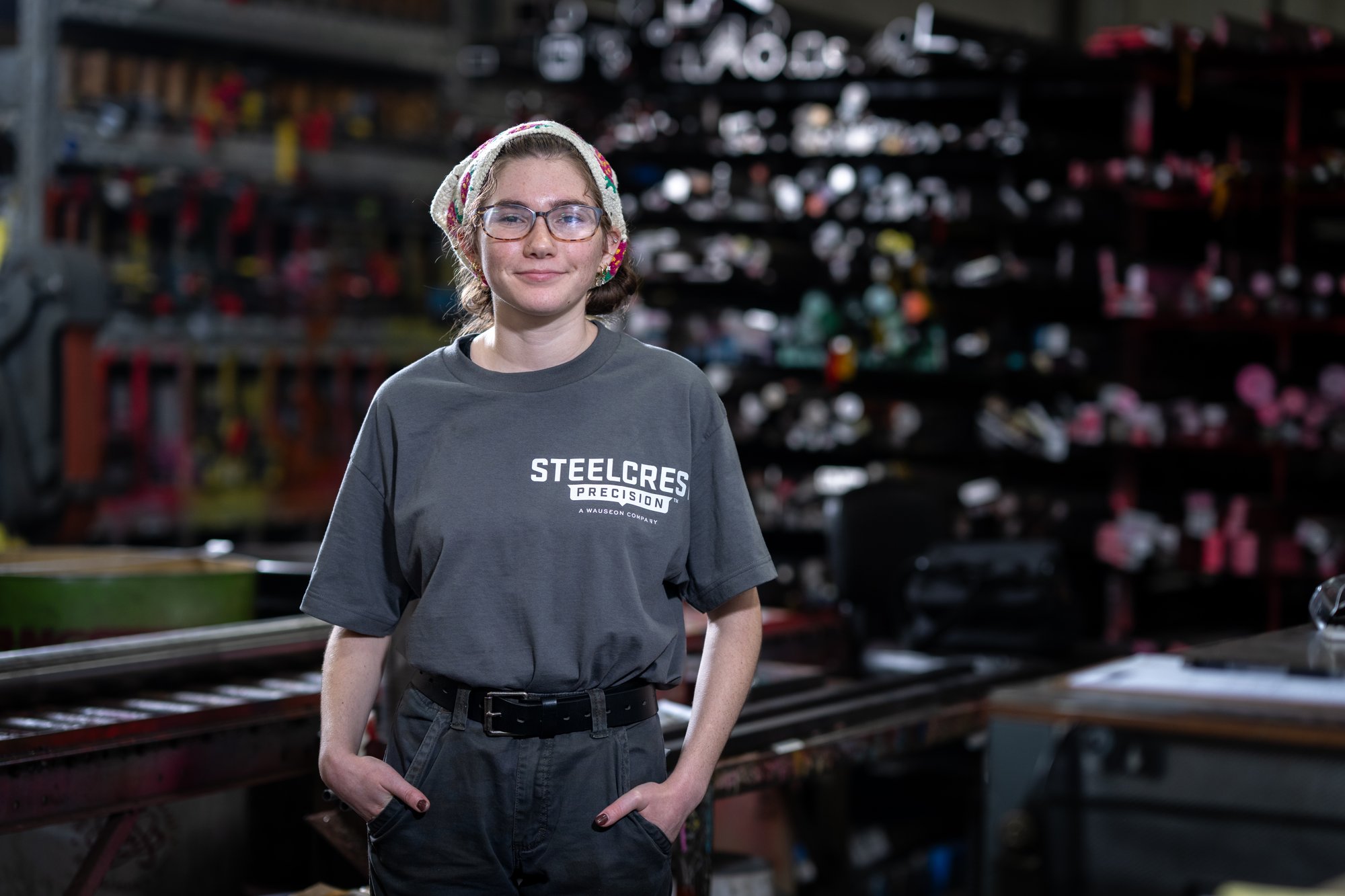
Manufacturing engineers design the process for capability, not just for a part that passes first article. Machinists catch drift before it becomes scrap. Quality staff treat your policy manual as the job spec rather than as paperwork to satisfy after the fact. More than 100+ people, in one building, on one schedule.

SP_Expertise_Machinist_4x3

Keep Your Automotive Production Moving

Materials We Machine for Automotive Parts

Automotive suppliers buy machining to a print and a release date, and the material is where both get decided. Steelcrest Precision machines the alloy steels, tool steels, stainless, aluminum, and engineering plastics that production components, weld fixtures, and checking gauges call for. Select a material to see the grades we run and where they are used.

stainless steel

Carbon & Alloy Steels

The backbone of automotive machining, from free-machining bar stock for volume turned parts to pre-hardened alloy for fixture bases that have to stay flat. Supplied annealed where the part gets heat treated after machining, or pre-hard where the finished hardness comes from the mill.
Grade Typical Application  
1018 Bar-fed turned components, general hardware 
1045 Shafts, pins, and drive components at volume
4130 Tubular and welded structural fixture components 
4140 Pre-hardened fixture bases, shafts, high-load details
4340 High-strength shafts and pivot components
8620 Case-hardened gears and transmission components
Precipitation-Harding Stainless

Tool Steels

Fixture details, checking gauges, and replacement die components, machined soft, heat treated, then ground to size. This is where four decades of toolroom work does the most for a tier supplier.
Grade Typical Application  
A2 Weld fixture locators and detail sets
D2 Checking gauge bodies and hardened wear details 
S7 Die components subject to shock loading
H13 Hot-work die and mold details 
O1 Short-run tooling and repair details
alloy steels

Stainless Steels

Corrosion resistance for underhood, fluid handling, and exhaust-adjacent components, plus fixture details that live in a coolant or washdown environment.
Grade Typical Application  
303 Free-machining fittings and small turned parts 
304 General corrosion-resistant hardware 
316 Fluid handling and corrosion-critical components
17-4 PH High-strength precision shafts and turn-mill housings
case-hardening steels

Aluminum

Fast-cutting and light, for housings, brackets, and fixture plates where cycle time and weight both count against the part cost.
Grade Typical Application  
6061 Housings, brackets, and fixture plates 
7075 High-strength brackets and structural details
2024 Fatigue-critical structural components 
nickel alloys

Titanium

Strength-to-weight for performance and lightweighting applications, machined with the rigidity, feeds, and tooling titanium requires.
Grade Typical Application  
Ti-6Al-4V (Grade 5) Lightweight high-strength components
composites

Engineering Plastics

Wear surfaces, guides, and insulating components where metal is the wrong answer, machined with setups that control deformation so thin walls and press fits hold their size.
Grade Typical Application  
Delrin / acetal  Bushings, gears, precision wear components
Nylon 6 and 6/6   Rollers, bushings, low-load gears 
UHMW-PE Guides, wear strips, conveyance components 
PPS High-temperature electrical and underhood components 

Automotive Machining Tolerances and Capabilities

Automotive machining requires more than holding tolerance on a single part. It requires repeatable results across production quantities, documented inspection, and dependable delivery against scheduled releases. Steelcrest reviews each print and production requirement upfront, then matches the part with the right machining, finishing, and inspection processes. 

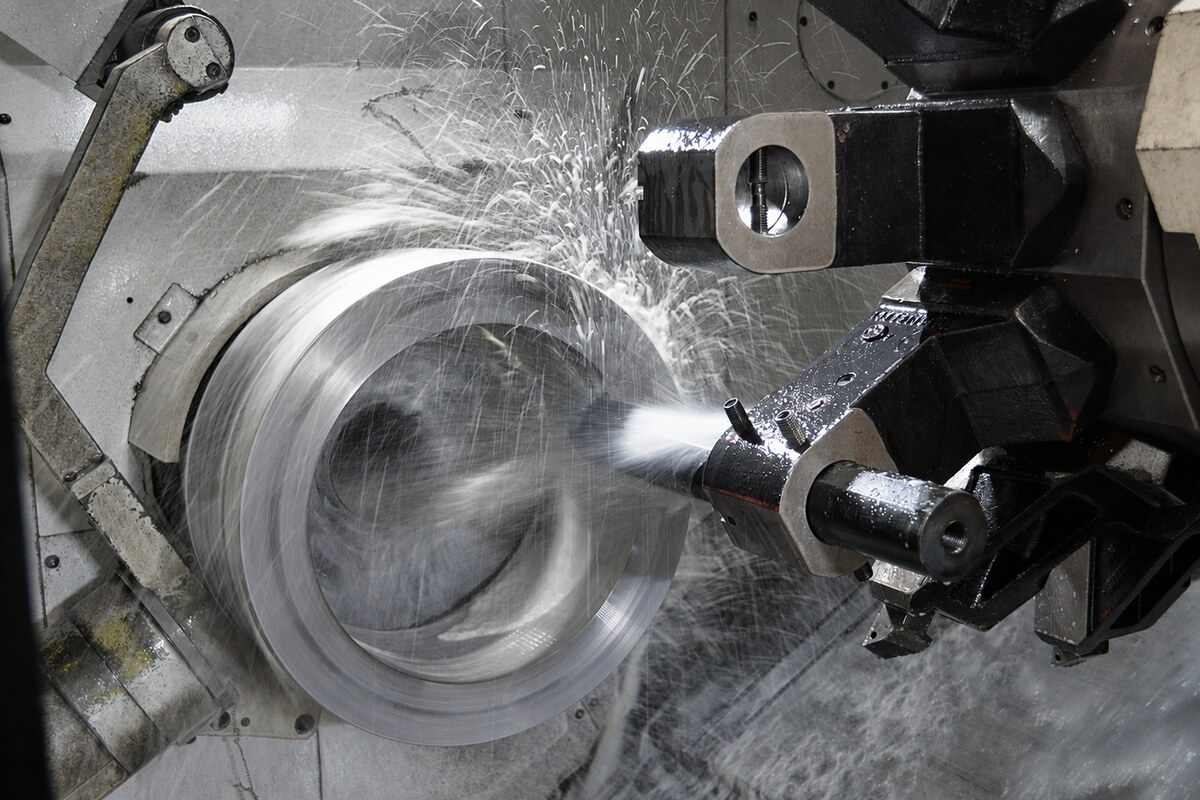
Production Turning for Volume and Repeatability: Bar-fed and robot-tended turning cells support repeat production with standard tolerances of ±0.0005" and precision features held to ±0.0002".

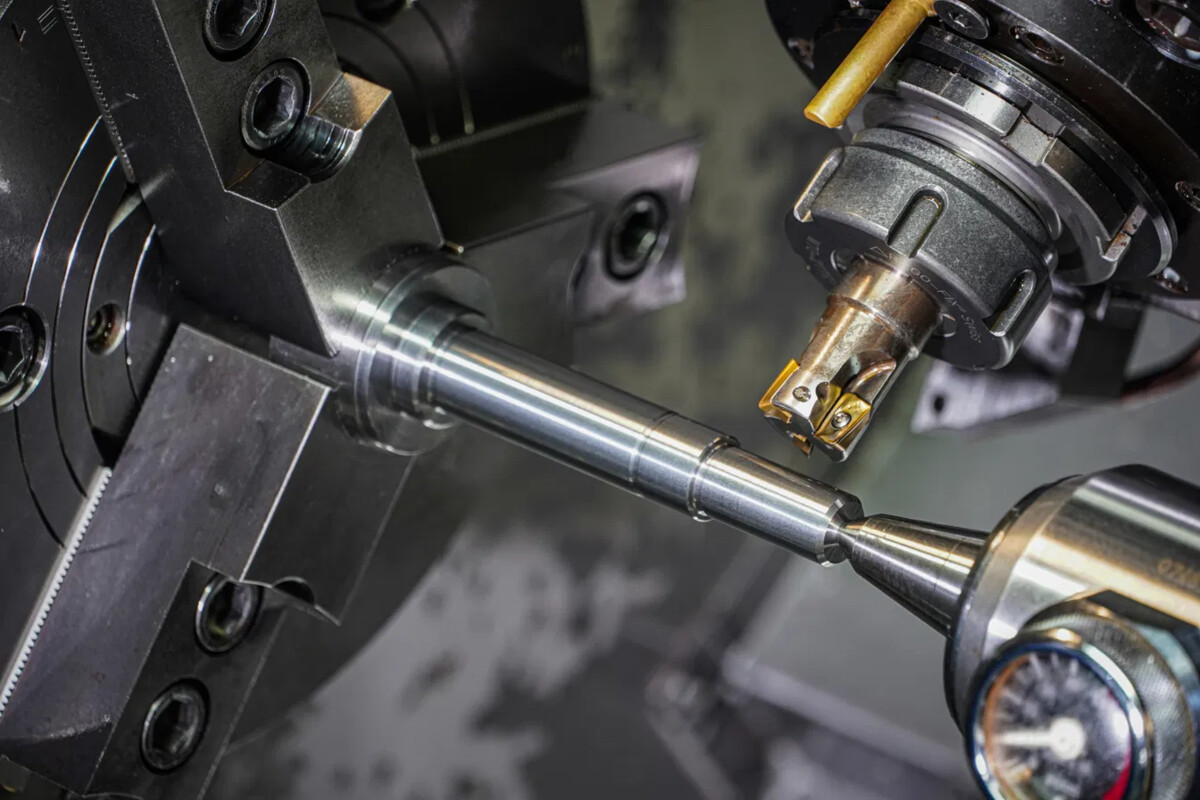
CNC Milling & Mill-Turn for Complex Components: CNC milling maintains standard tolerances of ±0.001", with typical finishes of 32 Ra on side-milled surfaces and 63 Ra on face-milled surfaces. Mill-turn platforms complete turned and milled features in one setup while holding tolerances to ±0.0005".

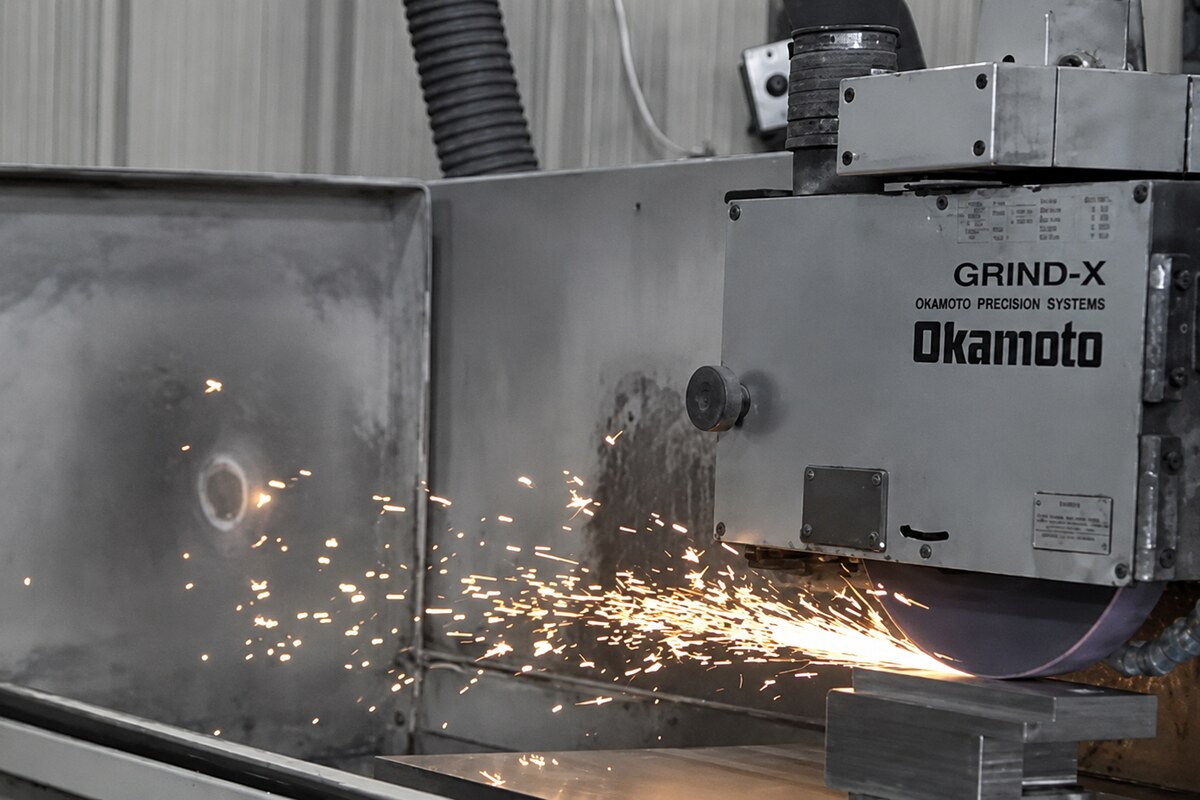
Grinding, EDM & Hardened Tooling: Precision grinding supports gauges, dies, and hardened replacement tooling with tolerances from ±0.0005" to ±0.0002" and finishes down to 8 Ra. Wire EDM produces precise features in hardened tool steels without introducing cutting pressure.

Documented Inspection & Production Control: In-process checks, first article documentation, and CMM inspection using PC-DMIS help verify requirements and maintain consistency throughout scheduled production releases.

CNC Machining for Automotive Suppliers

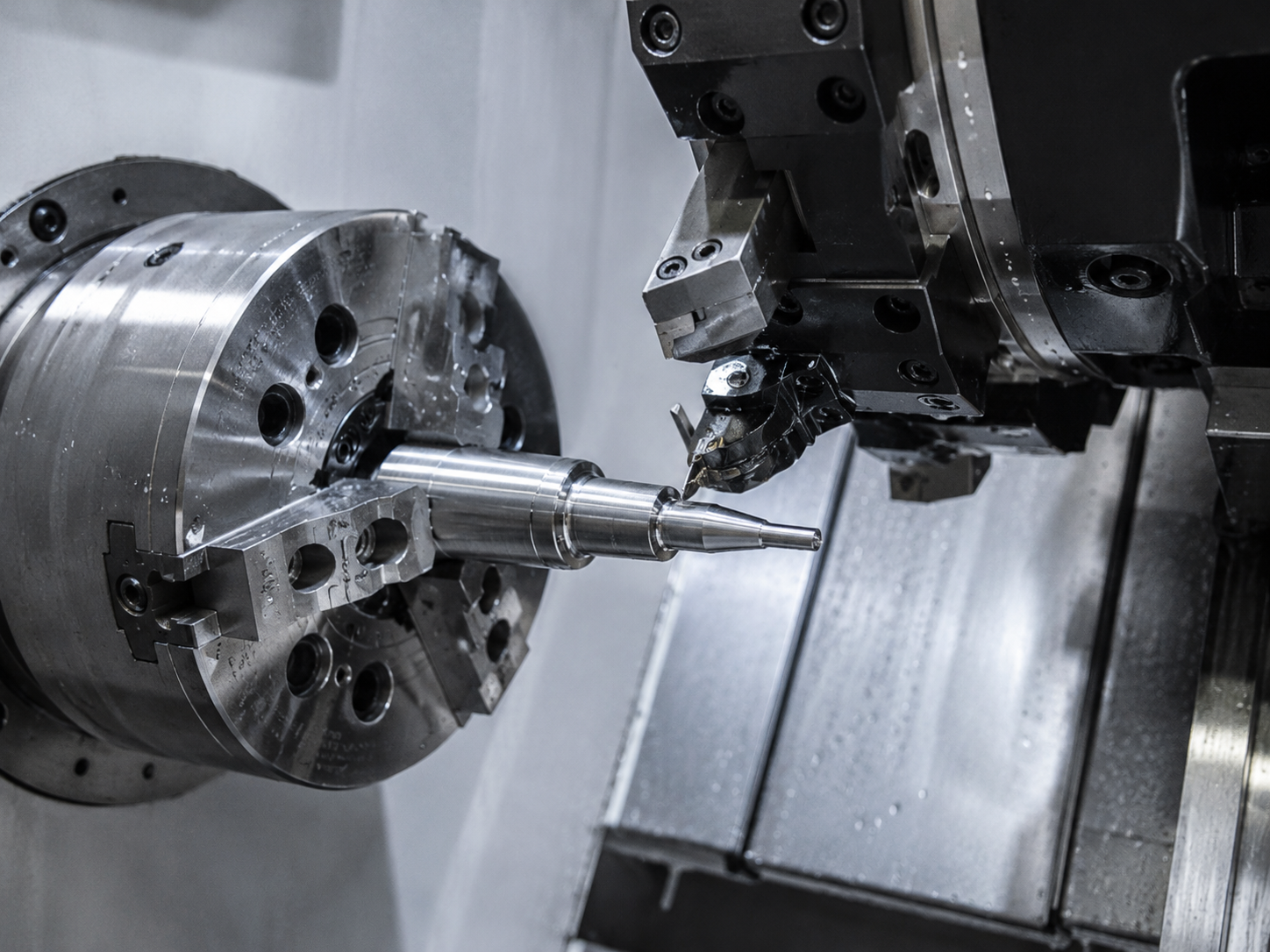
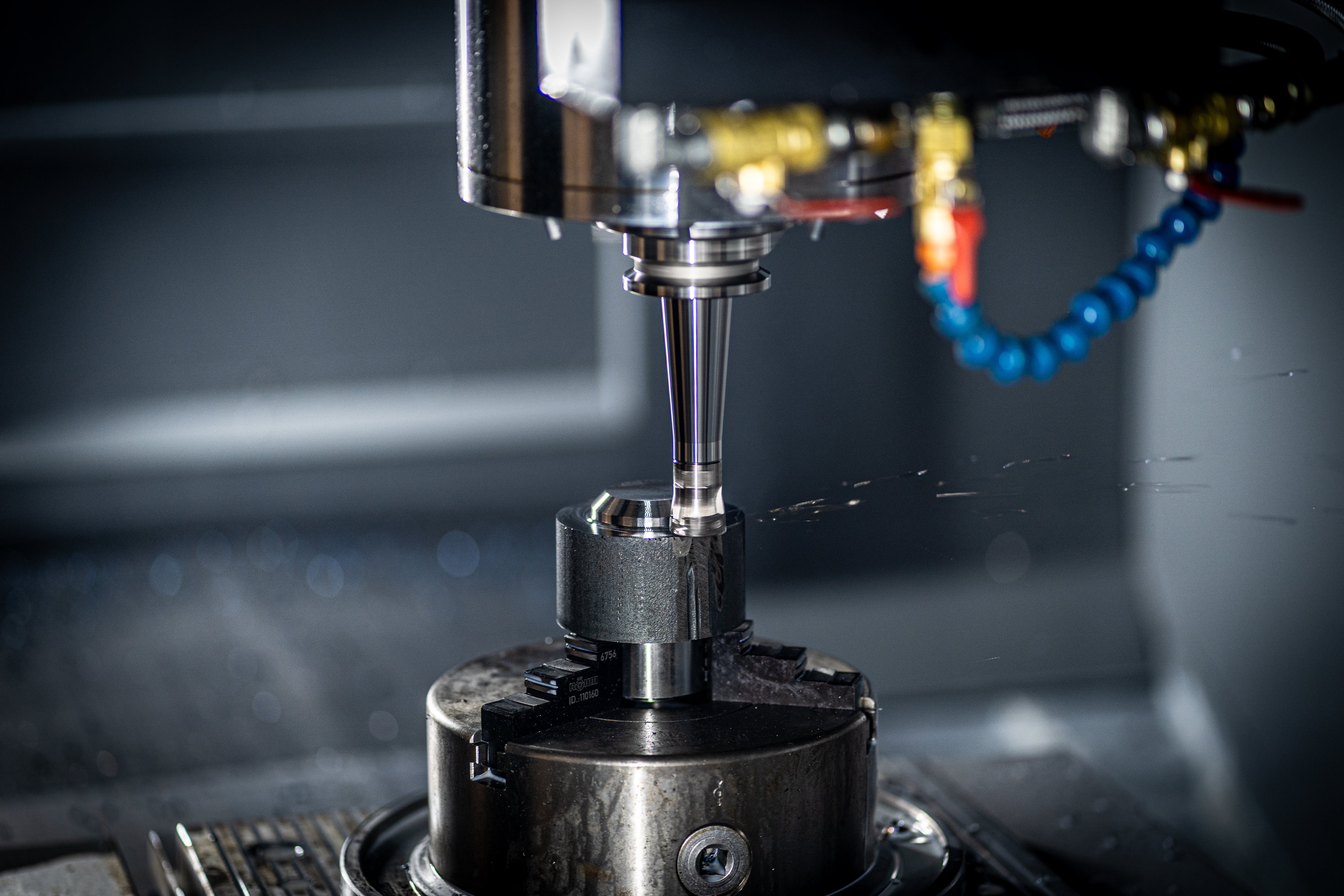
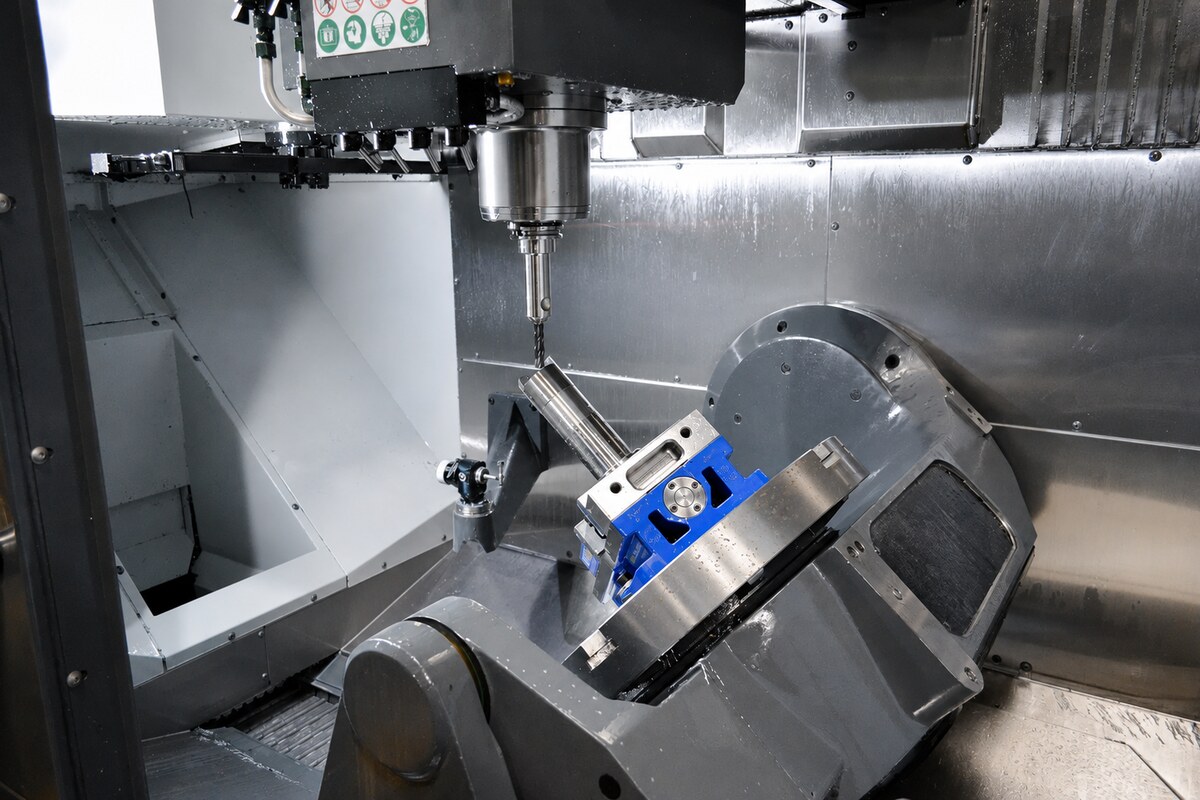
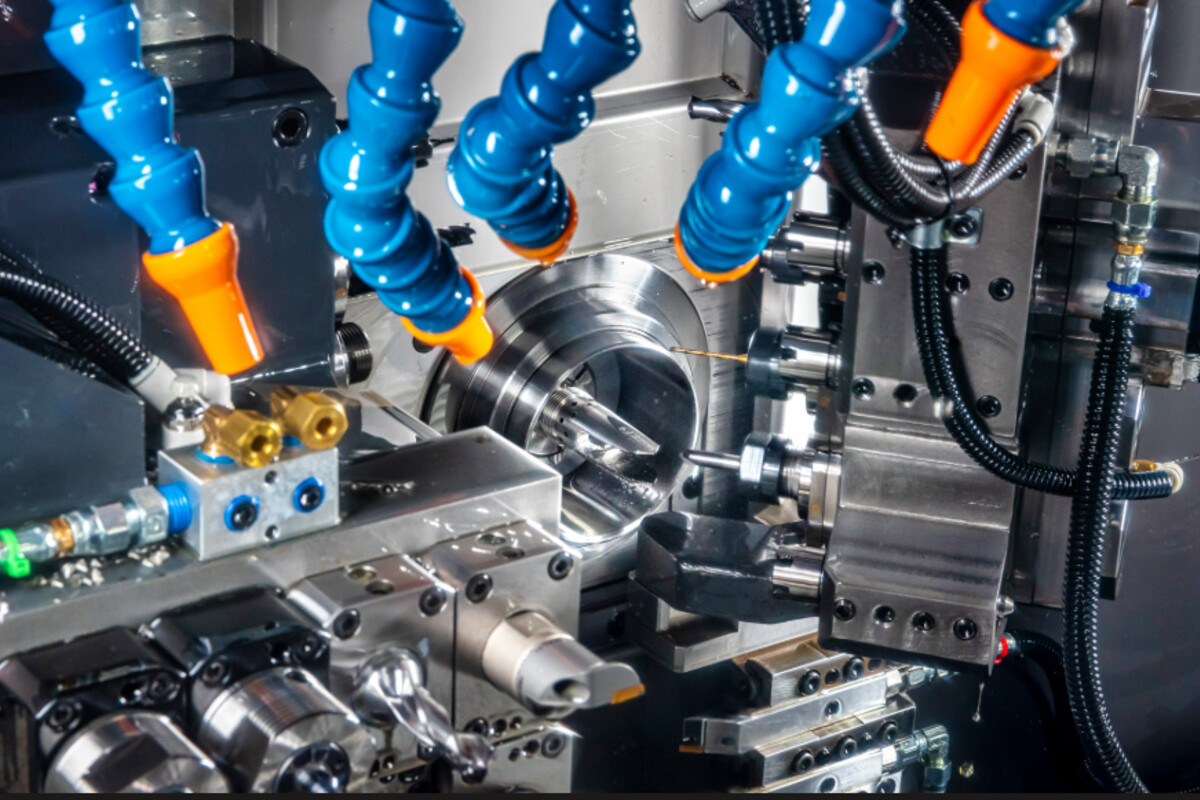
Multi-tasking Mazak INTEGREX and HYPER QUADREX platforms complete turned-and-milled parts in one setup, which means fewer handoffs and better concentricity on the features that have to relate to each other. Robot-tended turning and bar feeders run production unattended, so unit cost stays flat as volume climbs.

Hard turning and precision grinding handle heat-treated fixture and gauge components after heat treat, where the size actually has to land. Horizontal machining centers carry multi-sided production work with pallet efficiency. Wire EDM cuts replacement die details from the print we already have on file. Every process is under one roof, which means one supplier is accountable for the part.

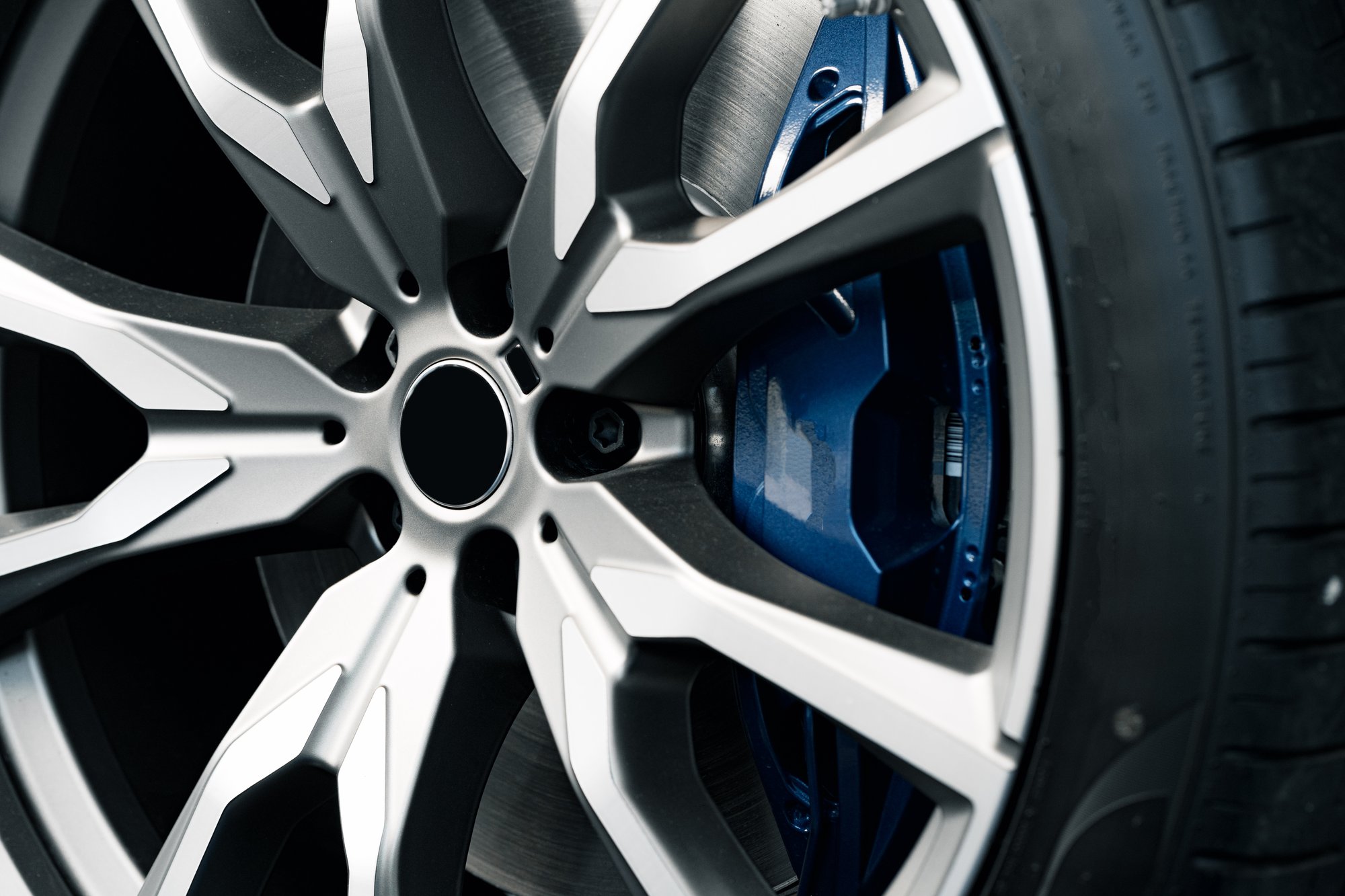
aluminium-rim-of-luxury-car-wheel-close-up-2026-03-19-08-01-45-utc

Automotive Components We Machine

Representative of the work this industry brings us. If your part is not on the list, it is almost certainly still in our range.

Component Process Material Critical feature
Weld fixture detail set  Mill, grind A2 / 4140   Locator positions ±0.001" 
Checking gauge body Mill, grind D2 hardened Datum surfaces ±0.0002, 8 Ra
Production shaft component Turn, bar-fed 1045 Journal ±0.0005 held at volume
Turn-mill housing Mill-turn, one setup 17-4 PH Concentricity across features 
Replacement die component  Wire EDM, grind D2 Profile matched to the worn original
Assembly fixture base  Mill Aluminum / A2  Flatness and locator accuracy 

Send Us the Print and the Release Plan

One conversation with an engineer who has actually read the drawing, and a straight answer on tolerances and dates. Quotes come back within 48 hours, with no obligation. 

Frequently asked questions

What automotive work does Steelcrest Precision take on?

Production components, weld fixtures, assembly and checking fixtures, gauges, and replacement tooling for automotive tier suppliers. Steelcrest works from your print, in quantities from a single replacement detail through recurring scheduled releases.  

How does Steelcrest keep repeat automotive parts consistent?

Dedicated setups, multi-tasking machines that finish parts in fewer operations, robot-tended turning and bar feeders for unattended production, in-process inspection during the run, and CMM verification on Hexagon machines running PC-DMIS.

Can Steelcrest machine hardened automotive tooling?

Yes. Hard turning, precision grinding to ±0.0002 inch, and wire EDM of heat-treated tool steels including A2, D2, and S7, so fixture and gauge details land on size after heat treat rather than before it.

Does Steelcrest support blanket orders and scheduled releases?

Yes. Steelcrest supports blanket orders with releases scheduled to your build plan, and tracks quality and on-time delivery daily across more than 100 CNC machines. 

Can Steelcrest meet customer-specific quality requirements?

Yes. First article documentation, CMM reports, material certifications, and 100 percent inspection where a customer quality policy specifies it. Steelcrest Precision is ISO 9001 certified and machines to AS9100-compliant processes.  

What materials does Steelcrest Precision machine?

Carbon and alloy steels, stainless steels, tool steels, aluminum, copper, brass and bronze, and engineering plastics. Common automotive grades include 1045, 4140, 4340, 17-4 PH stainless, and A2, D2, and S7 tool steels for fixtures and gauges. 

How fast does Steelcrest respond to a quote request?

Quotes come back within 48 hours. Send a drawing or 3D model, material specification, tolerances, quantities, and your requested delivery date, along with any inspection or documentation requirements.