


Steelcrest Precision

The Short Answer
A machined assembly puts the components, the hardware, the outside processes, and the fit-up accountability on one supplier and one purchase order. Buyers are consolidating assemblies because split sourcing leaves tolerance stacks and quality gaps between vendors that nobody owns. The assembly decision is really an accountability decision, and it cuts both ways.
Somewhere in your BOM there is probably an assembly you buy as pieces: a housing from one shop, a shaft from another, brackets from a third, hardware from a distributor, all meeting for the first time on your receiving dock or your line. Each part can measure in tolerance and the assembly can still fight you, because the fits between parts belong to nobody. This guide covers when it pays to buy the assembly instead of the parts, what actually changes when you do, when parts-buying is still the right answer, and what to ask a shop before handing an assembly over.
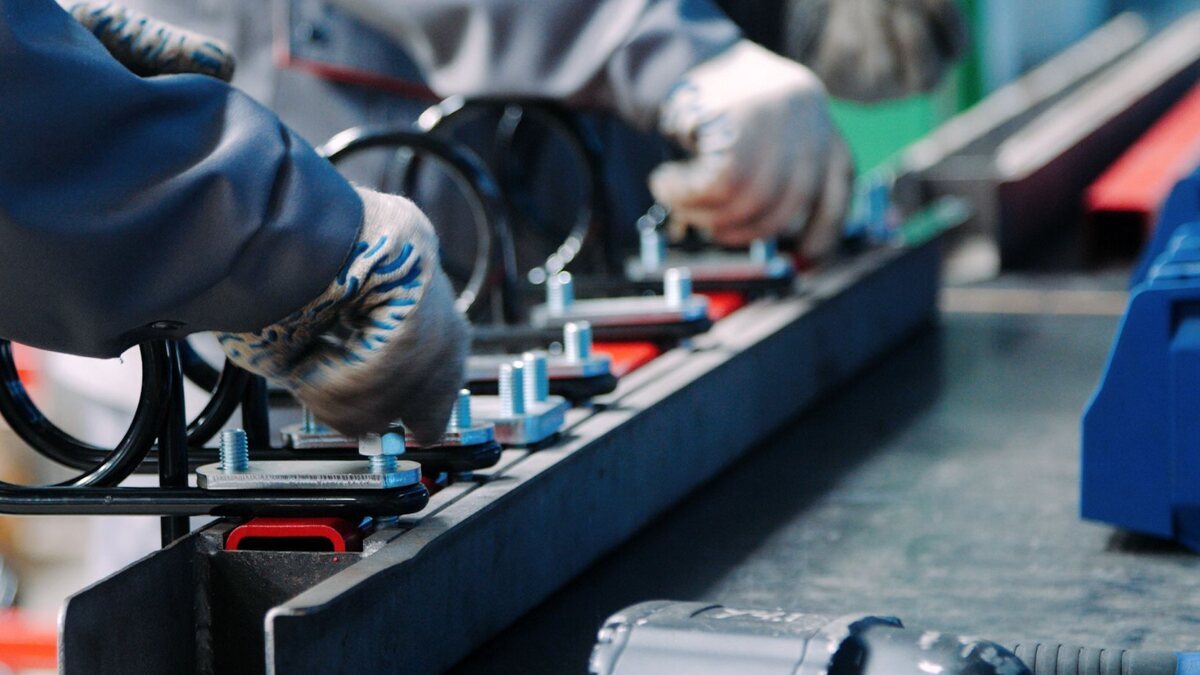
A machined assembly is a group of components delivered as one functioning unit: machined parts, fabricated elements, purchased hardware, and the outside processes they need, built, fitted, inspected, and documented together under a single part number and purchase order. The scale ranges from a two-piece pin-and-housing set to a complete weldment with a dozen machined details, bearings pressed, fasteners torqued, and the whole unit verified against an assembly-level drawing before it ships. What makes it an assembly is not the piece count. It is that the supplier's responsibility ends at the function of the unit, not at the dimensions of the pieces.
The shift is one of the quieter sourcing trends of the last two years, and the reasons are structural rather than fashionable:
Accountability
The fits get an owner. When the housing and the shaft come from different shops, each can be in print while the pair binds, because the tolerance stack between them belongs to no one. Buy the assembly and the stack, the fits, and the function are one supplier's problem, contractually.
Simplicity
The vendor chain collapses. Five parts from four suppliers is five POs, five receiving inspections, five delivery schedules that must converge, and four chances for a late component to stall the unit. One assembly is one PO, one date, one inspection, and one phone call when anything changes.
One Chair
The finger-pointing ends. When a split-sourced assembly fails, the housing shop blames the shaft shop and both blame the print. When one supplier built the unit, the warranty conversation has exactly one chair on the other side of the table.
Your Hours Back
Internal labor goes where it earns more. Every hour your team spends kitting, fitting, and assembling purchased components is an hour not spent on the product only your team can build. OEMs under headcount pressure are moving sub-assembly work to suppliers for the same reason they stopped making their own brackets.
| Dimension | Buying the parts | Buying the assembly |
|---|---|---|
| Purchase orders | One per component, per supplier | One, for the unit |
| Tolerance stack owner | Effectively you | The supplier, contractually |
| Receiving and inspection | Every component, every shipment | One unit against the assembly drawing |
| Inventory | Components staged, waiting for mates | Finished units, pulled as needed |
| When something fails | Suppliers point at each other | One accountable supplier |
| Strongest fit | Commodity components, your own line's core work | Fit-critical units, outside processes in the chain, real assembly labor |
Honest accounting again, because the line items move in both directions. The assembly's quoted price will usually exceed the sum of the piece prices you remember, because it now carries the assembly labor, the hardware, the outside-process management, and the assembly-level inspection you used to perform or absorb. What disappears from your side of the ledger: the POs you no longer place and expedite, the receiving inspections you no longer run, the inventory of components waiting for their mates, the internal assembly labor, and the quality escapes that used to surface at your line instead of the supplier's bench. Most buyers who run the comparison on a genuine assembly, fits that matter, outside processes in the chain, real assembly labor, find the total acquisition cost favors consolidation even when the quote looks higher. The exceptions are real, though, which is the next section.
Make the comparison concrete with a five-component unit. As parts, that unit is five quotes to chase, five order confirmations to track, five deliveries to receive and inspect, five inventory locations, and your technician's bench time to fit, fasten, and check the result, plus the schedule risk that the slowest component sets the pace for all of it. As an assembly, the same unit is one line on one PO, and everything between raw material and a functioning, documented unit happens inside the supplier's four walls. The piece-price comparison never shows that difference. The total-cost comparison is the one that decides correctly.
Consolidation is a tool, not a religion. Parts-buying stays right when the assembly is your product's core competency and your line is tooled for it; when the components are true commodities with no fit relationship, where distributor pricing beats any assembler's markup; when a regulated or customer-controlled assembly process must stay under your roof; or when volumes are high enough that your own assembly automation wins the labor math. And consolidating an assembly does not mean consolidating your risk judgment: for the critical units, the second-source logic applies to assemblies exactly as it does to parts.
Five questions separate shops that build assemblies from shops that bolt parts together. First: who owns the tolerance stack? The right answer is a shop that reviews the assembly drawing, runs the stack, and flags fits that the component tolerances cannot guarantee, before quoting, not after failing. Second: how are outside processes managed? Welding, heat treating, plating, and finishing often sit in the chain; a capable shop runs them through vetted partners, brings the work back for post-process machining and inspection in-house, and carries all of it under your one purchase order. Third: what gets inspected at the assembly level? Component inspection proves pieces; the unit needs its own verification against the assembly drawing, fits checked, torques recorded, function confirmed where the print requires it. Fourth: what documentation ships with the unit? Material certs for the machined details, hardware traceability, outside-process certifications, and the assembly-level inspection record, as one package. Fifth: can you machine after assembly? Some fits can only be finished once the unit exists, line boring, match drilling, final facing, and a shop without that capability designs the limitation into your part.
Quoting an assembly well takes more than quoting its parts, so the RFQ package decides how fast and how accurately the number comes back. Send the assembly drawing and the component prints together, with CAD models wherever you have them, because the stack analysis runs on the geometry. Include the BOM with purchased hardware called out by specification, not just description, so sourcing is quotable. Flag the outside processes the drawing requires, the annual volume and release pattern you expect, and any assembly-level test or functional requirement, since verification method drives both cost and lead time. And say which components, if any, you intend to keep supplying yourself; consigned components are a normal arrangement, but they change the inspection boundary, and the quote should reflect who proves what. A complete package like this typically quotes in days; an assembly drawing alone, with the component prints trickling in afterward, quotes in weeks.
Not with the whole BOM. Pick one unit, and pick it by pain: the assembly with chronic fit problems at your line, the one whose components come from the most suppliers, or the one whose internal assembly labor you most need back. Hand the supplier the assembly drawing and the component prints together, let them run the tolerance stack and quote the unit, and judge the first delivered assemblies the way you would judge any new supplier relationship: on fit, function, documentation, and the date. A unit that proves out earns its neighbors; the knowledge the shop builds on the first assembly, the fits that matter, the hardware sources, the outside-process sequence, carries to the next one, which is why consolidation tends to accelerate after the first success.
One scope note worth saying out loud: consolidating an assembly does not obligate you to consolidate everything, and it does not change how your component work runs. Parts programs and assembly programs coexist on the same floor all the time, each on its own economics.
Machining, fabrication, and assembly live under the same roof here, which is what makes the single-PO promise real rather than administrative. Machined details run across our 100-plus CNC machines; fabricated elements are built in-house; outside processes your assembly needs run through vetted partners and come back for post-process machining and inspection; hardware is sourced, kitted, and installed; and the finished unit is verified in our metrology lab against the assembly drawing, with the documentation package built alongside the order. The whole sequence, from component machining through final inspection, runs under one purchase order with one named contact, and our fabrication and assembly page walks the build process step by step. Assemblies sit alongside, not instead of, our component work: the same shop that runs your sub-assembly will happily keep running your individual parts, order by order or on a release schedule, whichever your program needs.
A machined assembly is a group of machined components, fabricated elements, and purchased hardware delivered as one functioning, inspected unit under a single part number and purchase order. The supplier is accountable for the fits and function of the whole unit, not just the dimensions of the individual pieces.
The assembly quote usually exceeds the sum of the piece prices because it carries assembly labor, hardware, outside-process management, and unit-level inspection. Total acquisition cost often still favors the assembly once fewer purchase orders, eliminated receiving inspections, reduced component inventory, and removed internal assembly labor are counted. Run the comparison on total cost, not piece price.
When components are split across suppliers, each shop is responsible only for its own print, and the stack between parts effectively belongs to the buyer. When one supplier builds the assembly, stack-up, fits, and unit function are contractually that supplier's responsibility, which is the core accountability argument for consolidation.
Yes, and it is a question worth asking directly. A capable assembly supplier routes welding, heat treating, plating, and finishing through vetted partners, performs post-process machining and inspection in-house, and delivers everything under one purchase order with the certifications included in the documentation package.
Expect material certifications for the machined components, hardware traceability, certifications from any outside processes, and an assembly-level inspection record verifying the unit against the assembly drawing, delivered as one package with the parts rather than reconstructed on request.
Pick the Assembly That Fights You Most
Send the assembly drawing and the component prints, and the quote comes back with the tolerance stack reviewed and any fit risks flagged, in 24 to 48 hours.
Request a Quote