


Steelcrest Precision
.png?width=1200&height=1200&name=Untitled%20(LinkedIn%20Post).png)

Reverse engineering recreates the model, drawing, and manufacturing plan for a part that has no usable documentation. A machine shop captures the part's geometry, applies engineering judgment to recover the original design intent, validates a prototype against the application, and then produces the part, turning a single sample back into a reliable supply.
It usually starts the same way: a machine is down, the part in your hand is the only one left, the supplier retired or the OEM discontinued it, and nobody can find a print. The part exists and it works. What is missing is the documentation that lets anyone make another one. Reverse engineering rebuilds that documentation, and with the right machining capability behind it, rebuilds your supply along with it.
Reverse engineering is the process of working backward from a physical part to the engineering data that defines it: a 3D model, a dimensioned drawing with tolerances, a material specification, and a plan for precision machining it. The finished deliverable is not just a replacement part. It is a controlled document set that lets the part be made again, correctly, any time it is needed. That distinction matters: a shop that hands you one part has solved today. A shop that hands you the part and its recovered documentation has solved every future order.
It is worth being clear about cost, too. Reverse engineering adds engineering hours in front of the machining, so the first part costs more than a reorder from a clean print would. Weigh that against the alternatives it replaces: scrapping equipment that still works, redesigning an assembly around a missing component, or living with an aftermarket part that almost fits. Against any of those, recovering the documentation once is usually the cheap option, and every order after the first runs at normal cost.
Reach for it when any of these is true:
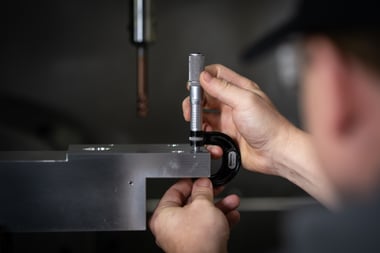
The part is the only surviving document. We read it.
1. Understand the application. Before anything gets measured, we ask what the part does, what it mates with, how it failed, and what it runs in. Function is the context every downstream decision depends on.
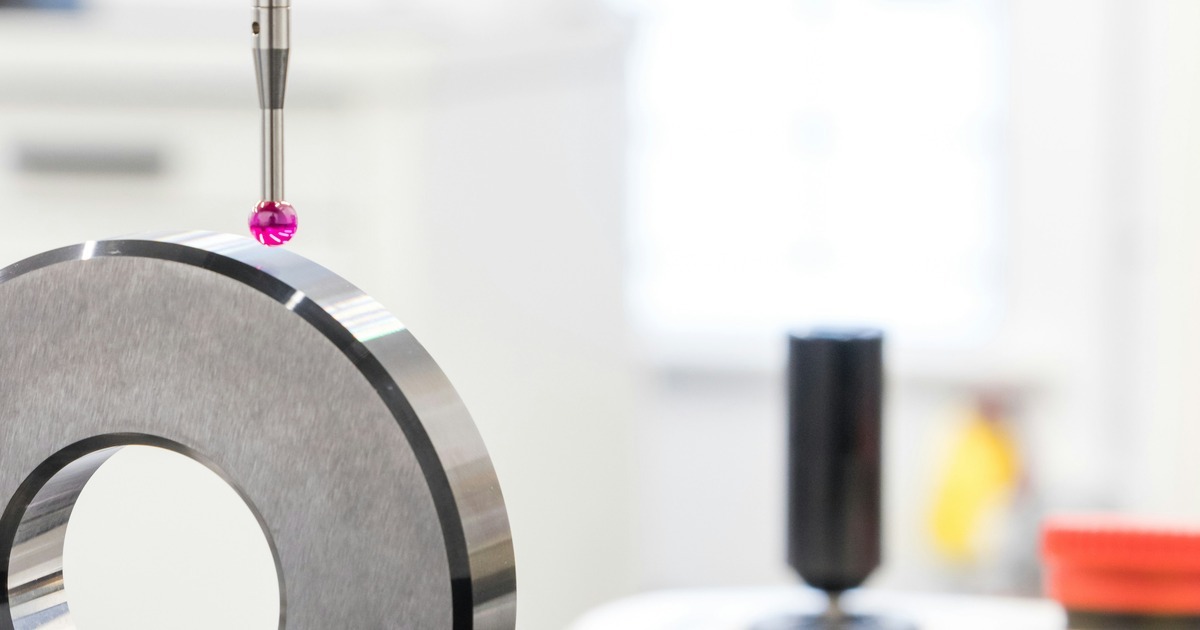
2. Capture the geometry. Every feature is measured, from calipers and micrometers to coordinate measuring machine inspection in our metrology lab, with critical features getting extra passes.
3. Recover the design intent. This is the step that separates reverse engineering from copying. The sample in your hand is worn, and measuring it exactly would reproduce the wear. Our engineers work back to the nominal dimensions the designer intended: the bore that measures 1.003 inches was almost certainly a 1.000 inch bore, and the tolerance it needs comes from the fit it has to make, not the state it arrived in.
4. Identify the material. When the original spec is unknown, visual inspection, hardness testing, and application knowledge guide the call, and sometimes justify an upgrade over the original.
5. Build the model and drawing. The recovered geometry, tolerances, and material become a CAD model and a dimensioned print: your documentation, returned to you.
6. Machine, verify, and validate. A first article is machined and inspected against the recovered spec, then proven in your application before any quantity runs.
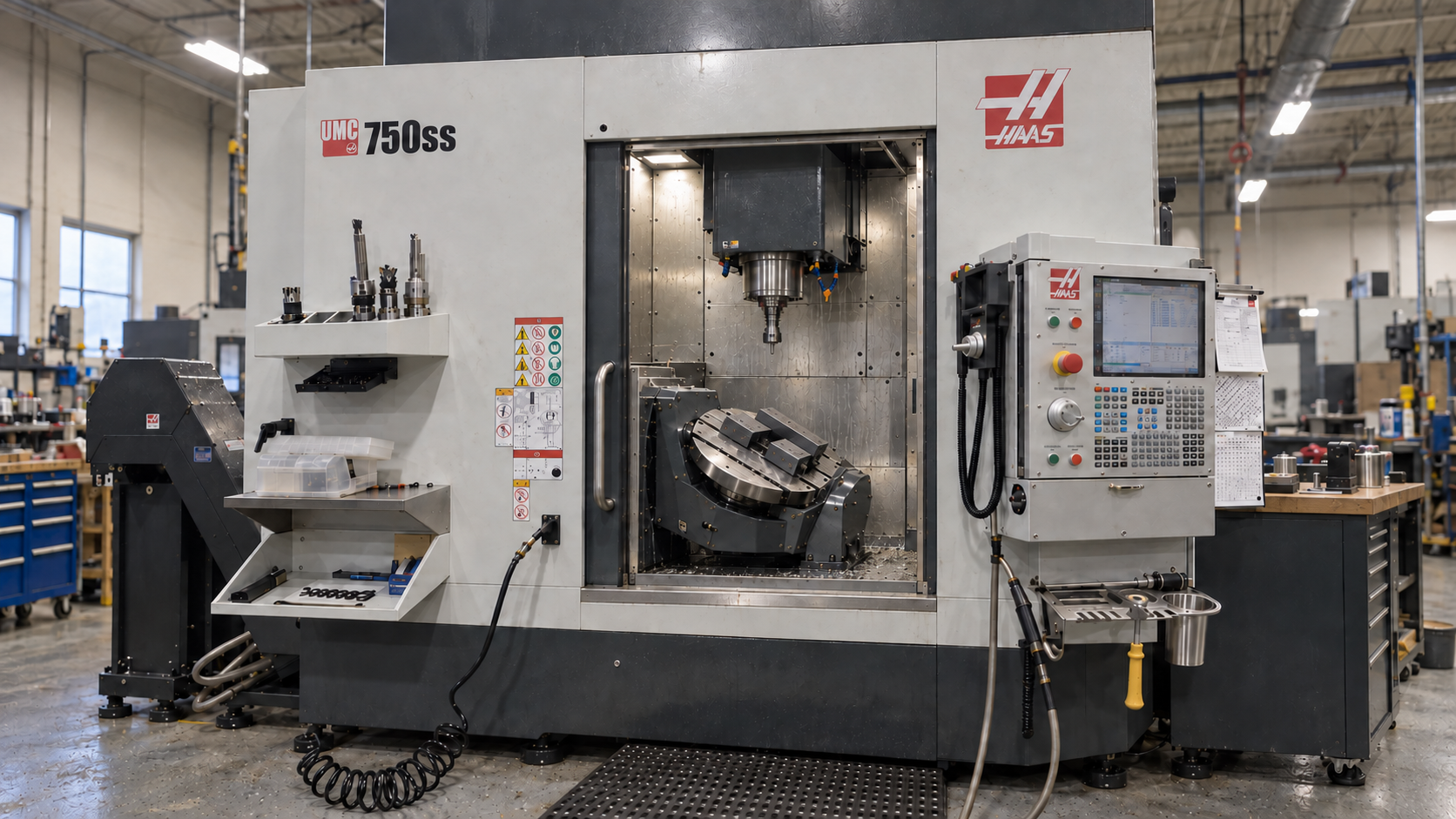
This is where reverse engineering pays off for years instead of once. The recovered model, drawing, routing, and inspection plan stay on file as controlled documents, so the second order is a reorder, not a project. And because the same building that recreated the part runs production across 100-plus CNC machines in dedicated milling, turning, grinding, EDM, and saw departments, the part that came in as a worn orphan leaves as a supplied, documented, repeatable component. It is the same one-roof logic behind our prototype-to-production approach: the knowledge gained making the first one never has to be bought twice.
Reverse engineering in manufacturing is recreating the engineering data for an existing physical part: measuring its geometry, recovering its intended dimensions and tolerances, identifying its material, and producing a CAD model and drawing so the part can be manufactured again without the original documentation.
In general, reverse engineering a part you own for repair or replacement is legal and long-established practice. Restrictions can apply where active patents, licensing terms, or export-controlled technical data are involved, so confirm your rights in those situations. A reputable shop will ask about these boundaries before starting.
The physical part, even worn or broken, is the essential input. Anything else helps: partial prints, photos of the part in service, the equipment it runs in, how it failed, and what it mates with. Application context lets engineers recover the design intent, not just the dimensions.
Done properly, the recreated part matches the original design intent rather than the worn sample, which means it can perform like the part did when new. Critical dimensions are verified with calibrated inspection equipment, and a first article is validated against the recovered specification before quantity production.
Yes. Because the geometry and application are being analyzed anyway, reverse engineering is a natural moment to upgrade material, adjust a tolerance that caused failures, or correct a chronic fit issue, so the replacement outperforms the original instead of repeating its weaknesses.
If the component in your hand is the only documentation you have, that is enough to start. Send it over, with whatever history you know about where it ran and how it failed, and we will come back with a plan to get it measured, modeled, and back in reliable supply.