


Steelcrest Precision

Automation integrators need a reliable machining partner because every cell is built against a fixed install date, and one late bracket can idle the build. The right partner sets delivery dates jointly at quoting, schedules to your in-hand date, warns early when risk appears, and machines a mixed BOM under one roof.
Integration work is unforgiving in a way that general manufacturing is not. Your customer's line shutdown is booked, your install crew is scheduled, and your commissioning window does not move because a supplier ran behind. This article lays out what reliability should mean when you source machined components, how to qualify a partner before a project depends on them, and where Steelcrest Precision fits. If you are sourcing end-of-arm components specifically, our gripper components guide for integrators covers that family in depth.
A production buyer orders the same part number for years. An integrator orders dozens of different part numbers once per build: mounting plates, risers, locating fixtures, dowel-pinned brackets, shafts, spacers, tooling details. Most are custom to the cell, many are needed in small multiples, and all of them converge on the same assembly date.
That convergence is the risk. A production line missing one part keeps running on inventory. A cell build missing one part stops, because assembly cannot start around a hole in the frame. The machining supplier is rarely the biggest line item on an integration project, but it is one of the few suppliers whose slip stalls everything downstream: assembly, wiring, debug, runoff, ship, install.
It also means the quoting relationship works differently. Integrators quote projects to win them, often on short bid windows, and the machining numbers have to be in hand before the proposal goes out. A shop that takes two weeks to quote is not a partner on that timeline, whatever its quality is.
Reliable does not mean a supplier who apologizes well. It means a process built so the date holds. Four mechanics to look for:
1Dates set jointly at quoting, then scheduled to your in-hand date. A delivery date should be a commitment built backward from when you need parts in hand, not a standard lead time stamped on every order. If the date is wrong for your build, you want to hear it at the quote, when there is still time to act.
2Early warning with a recovery plan. Problems happen in machining. The difference between suppliers is whether you learn about a problem while there is still schedule to recover, and whether the call comes with a plan or just an apology. Silence until the due date is the most expensive habit a supplier can have.
3Quoting speed that matches your bid windows. When your proposal is due Friday, machining numbers that arrive next month are worthless. A partner that turns quotes in 24 to 48 hours lets you bid more work with real numbers instead of placeholder estimates that come back to bite the project budget.
4Redundancy behind the promise. A shop where your part runs on the only machine of its kind is a shop where one spindle failure becomes your schedule problem. Overlapping machine capability means work reroutes instead of waiting on a repair.
A cell's machined bill of materials is rarely one process. The same build needs milled plates, turned shafts and bushings, ground surfaces where fit is critical, and wire EDM where a hardened detail or a sharp internal corner demands it. Split that BOM across four shops and you inherit four schedules, four quality systems, and four chances for a part to arrive late or out of spec, plus the freight and handling between them.
A partner that runs milling, turning, grinding, and wire EDM in-house collapses that risk into one purchase order and one accountable schedule. It also changes what you can buy: components that would otherwise route between vendors can be quoted and delivered as machined assemblies, which is one order to place and one supplier responsible for fit.
More than the part, every time. An idle assembly team waits on it. A commissioning window books around it. In the worst case, your customer's launch slips behind it, and the integrator wears that conversation. We covered the full escalation, from the first idle hour to the quarter's numbers, in The Real Cost of a Missed Delivery Date; for an integrator, the compounding is faster because so many trades stack behind the machined hardware. The short version: a cheap part that shows up late is not cheap.
Qualify before a project depends on the answer, the same discipline we recommend for qualifying a second source. Six questions that separate partners from vendors:
Six Questions Before a Project Depends on the Answer
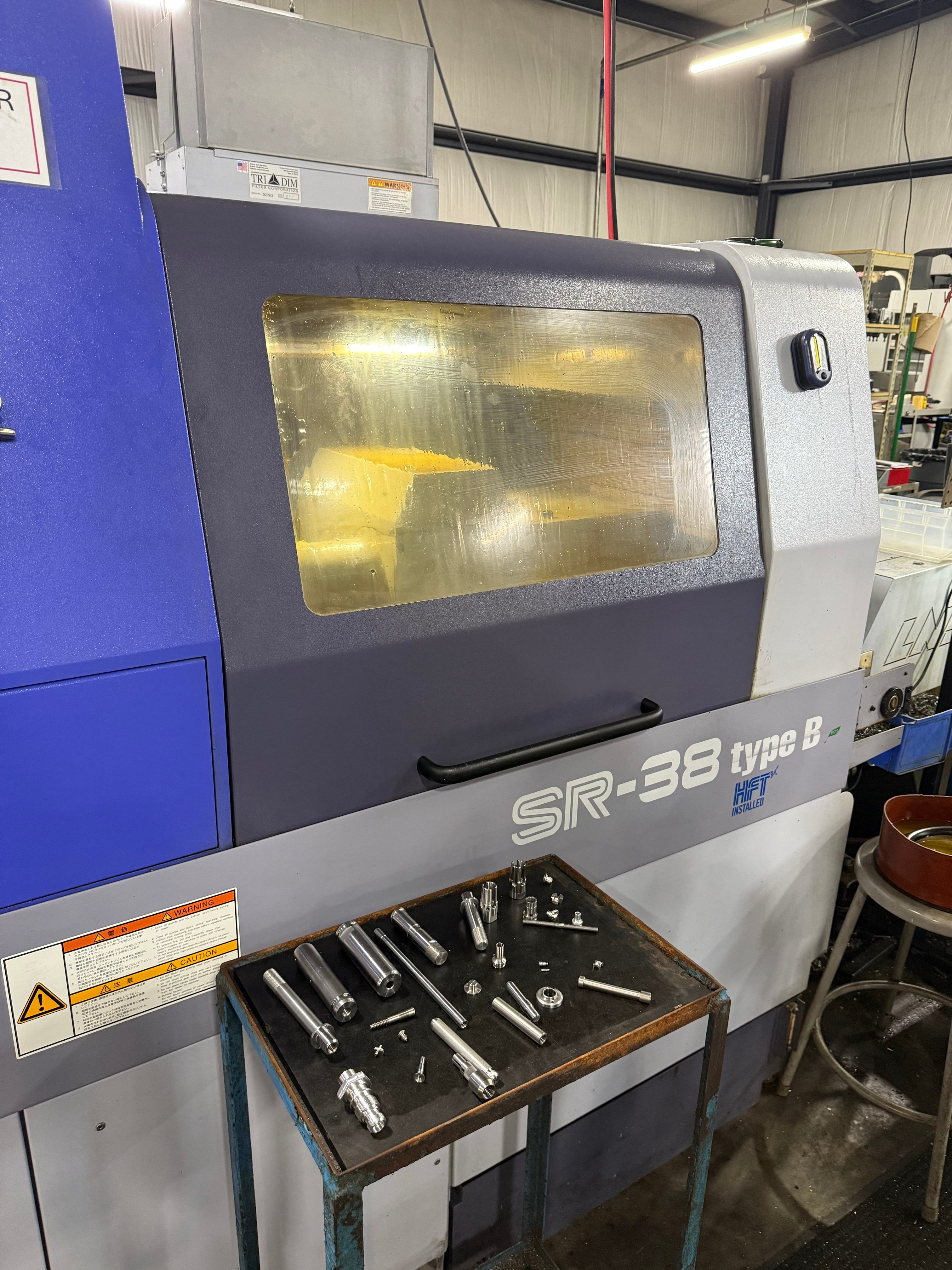
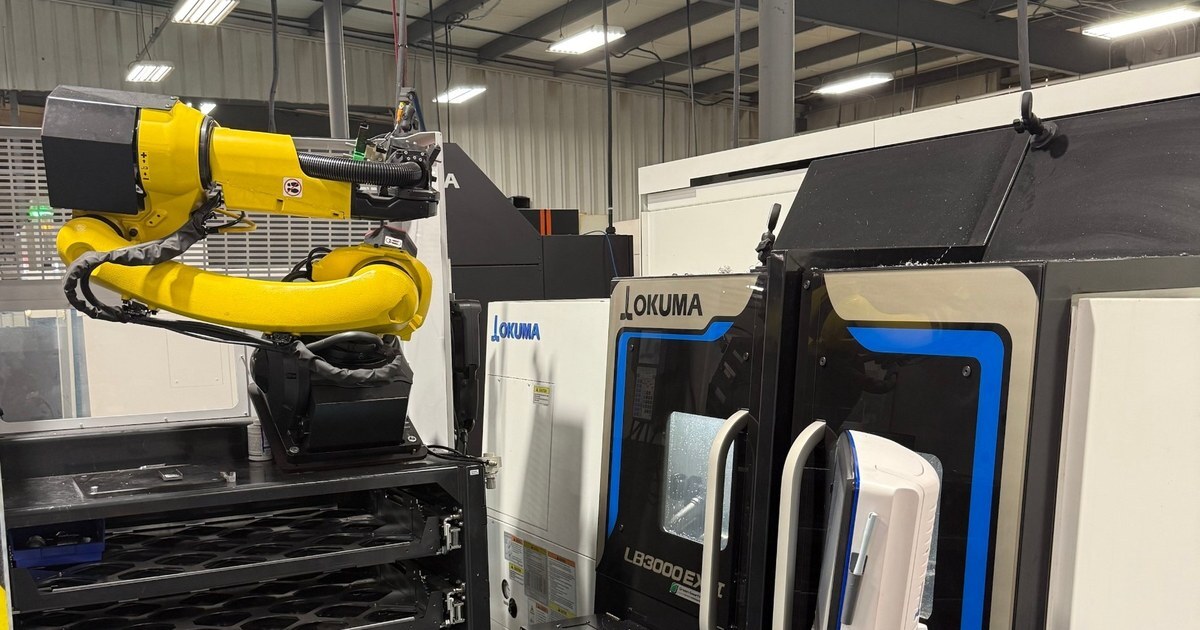
Steelcrest Precision machines integration hardware from our shop in Wauseon, Ohio: milling, turning, grinding, and wire EDM in-house, backed by an ISO 9001:2015 certified quality system and more than 100 CNC machines, so work reroutes rather than waits. Delivery dates are set jointly at quoting and scheduled to your in-hand date, with early warning and a recovery plan if a job hits trouble. Quick quote times, sized for project work: small multiples across a build, spares behind it, and repeat orders as the next cell ships. We run robotic part loading on our own floor, so we build the kind of hardware we also depend on. Send the prints and models for your next build and we will quote the machined BOM as one package.
Cell builds run on custom machined hardware: mounting plates and risers, brackets, locating fixtures, shafts and bushings, spacers, tooling details, and end-of-arm components. Most are unique to the cell and ordered in small multiples, with spares and repeat orders following as additional cells are built.
Fast enough to land inside your bid window. Integrators often quote projects in days, so machining numbers that take weeks force placeholder estimates into the proposal. Steelcrest typically returns quotes within 24 to 48 hours from a print and model.
Yes, if its processes cover the BOM. A cell typically needs milling, turning, grinding, and sometimes wire EDM. A shop running all four in-house can deliver the machined BOM on one purchase order with one accountable schedule, instead of splitting it across vendors.
Project work runs in small multiples rather than single pieces: several of each bracket or plate across a build, spares behind the install, and repeat orders as additional cells are produced. Suppliers built for production multiples fit this pattern well, since the same prints return as the cell design repeats.
Qualify the supplier before the project depends on them, set delivery dates jointly from the in-hand date, and choose partners with an early-warning habit and overlapping machine capability. Ordering the machined BOM from one accountable supplier removes the coordination risk of split sourcing.
Building a cell in 2027?
Send the prints and models. We will quote the machined BOM as one package.
Request a Quote